

In Mexico, the excitement that companies and authorities built around the “lithium fever” has now given way to uncertainty. No one knows for sure how much lithium actually exists in the country. The state-run agency created to exploit it has barely any budget; the nation faces lawsuits in international courts; and several mining titles overlap with the territories of at least twenty ejidos (communal landholdings). So far, the real winners have been those who sold off the mining concessions registered in their names.
By Thelma Gómez Durán (Quinto Elemento Lab)
With unrestrained enthusiasm, Sonora governor Alfonso Durazo Montaño spoke about the minerals tied to the production of electric vehicles. He described graphite, copper, and especially lithium as the keys that would transform the economic future of Sonora—and of Mexico as a whole. Lithium deposits, he said, “will become a pillar for national development and for the well-being of communities and territories.”
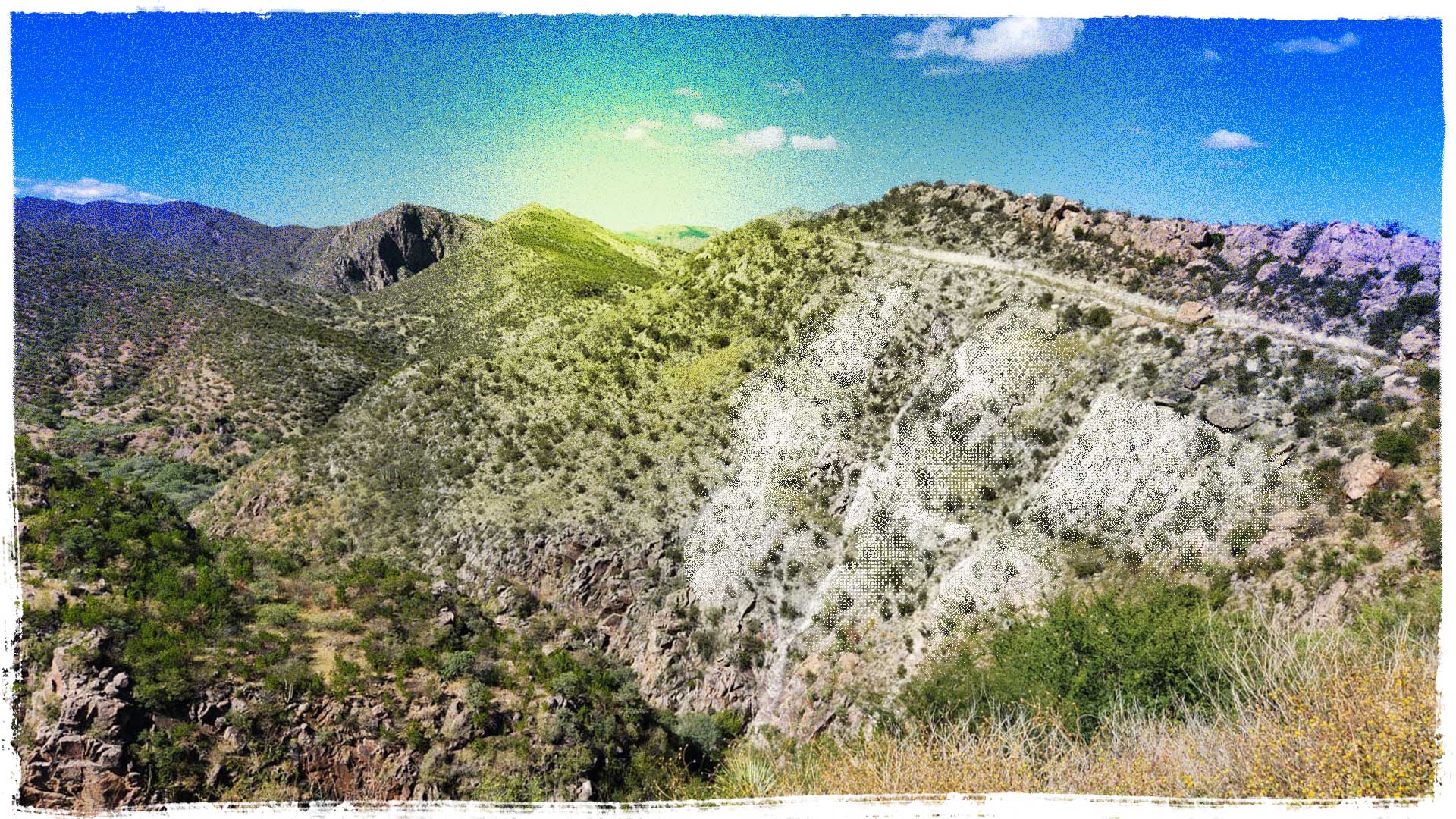
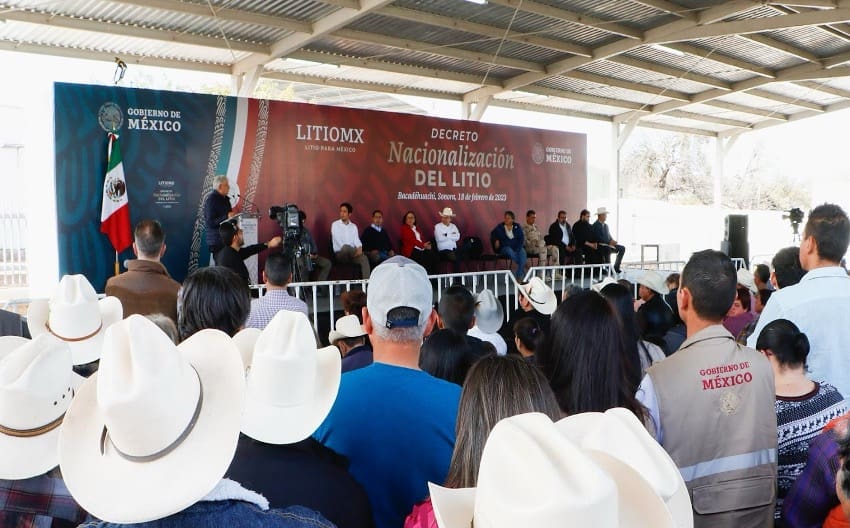
On February 18, 2023, Durazo Montaño made these remarks before then-president Andrés Manuel López Obrador, cabinet secretaries, and residents of Bacadéhuachi, a small town of just over a thousand inhabitants located about three hours from the Arizona border. During his twelve-minute speech, the governor claimed that “in the high sierra of Sonora, in the deep heart of northern Mexico,” there was a lithium deposit so vast it could even be seen with the naked eye. He said he had information that “the lithium tongue”—as he called it—stretched seven kilometers long, two and a half kilometers wide, and 400 meters deep. “I’ll dare to say that this tongue extends from Bacadéhuachi to Sahuaripa, because you can see it,” he added. That “vein,” he insisted, was visible.
The governor’s speech coincided with the federal government’s publication of a decree creating the Zona de Reserva Minera de Litio Li-MX—the Lithium Mining Reserve Zone—covering more than 234,855 hectares across seven municipalities in Sonora. Ten months earlier, in April 2022, the Mexican government had amended the Mining Law and declared lithium a public good, meaning that all activities related to its exploration, extraction, processing, “is reserved for the benefit of the Mexican people.” It also stipulated that “the economic value chains of lithium shall be administered and controlled by the State.”
Durazo Montaño was not the only one claiming that Mexican soil was rich in lithium.

As early as 2009, mining entrepreneur Martín Sutti had spread the idea that Mexico possessed an “enormous deposit”—though not in Sonora. He located it on the border between Zacatecas and San Luis Potosí, precisely in the region where he himself held several mining concessions.
A few years later—and especially after 2019—companies, mining magazines, and Mexican officials began repeating the narrative that placed the country prominently on the global lithium map. Lithium, after all, is considered a strategic mineral for the energy transition: it powers the batteries that drive electric vehicles, essential for moving away from the fossil fuels that still run much of the world’s transport system. It also lies at the heart of large-scale electricity storage systems that allow renewable sources such as solar and wind power to be used efficiently. Transportation and electricity generation are, after all, the two sectors that produce the largest share of global greenhouse gas emissions.
Because of its strategic value, the López Obrador administration decreed that the exploration, extraction, and use of lithium would be “reserved for the people of Mexico.” The move was even compared to the oil nationalization carried out by President Lázaro Cárdenas in 1938, which led to the expropriation of foreign oil companies’ assets. Unlike that historic event, however, no expropriations took place over lithium.
One of the few voices within the government urging caution about the supposed abundance of lithium in Mexico was Graciela Márquez. In October 2020, the then–Secretary of the Economy highlighted a crucial fact: in Mexico, lithium is found in clay deposits. She also warned that the identified deposits had a “very low” lithium content.
Her warning was not a minor one.
In Bolivia, Argentina, and Chile, lithium occurs in the brines of salt flats high in the Andes. In Australia, it is found in rocks known as pegmatites. For both deposit types, there are already profitable extraction processes. Countries such as the United States and Serbia also have lithium, but like Mexico, mostly in clay deposits. And as of September 2025, nowhere in the world was lithium being commercially produced from this kind of source.


Photo: courtesy of Luca Ferrari
Dr. Luca Ferrari, a researcher at UNAM’s Geosciences Center, told Quinto Elemento Lab that clays are minerals with complex and highly variable compositions. “Extracting lithium from them is much more complicated,” he says. The real challenge, he adds, lies in developing an effective technological process that can separate lithium from clay—and, above all, make it economically viable.
In Mexico’s case, another obstacle looms. Contrary to the claims made during the López Obrador administration, there is still no reliable estimate of how much lithium actually exists within Mexican territory. Nor is it clear how—or with what funds—the state intends to produce it. Amid this uncertainty, the country faces international lawsuits filed by companies contesting the cancellation of their mining concessions.
In addition, at least 35 mining titles remain active in areas known to contain lithium-bearing clays—lands belonging to at least twenty ejidos (communal rural lands). One Canadian company that holds such concessions now says that if it cannot produce lithium on account of changes in legislation, it will instead seek to extract potassium, which is also present there.
These are some of the complexities and conflicts Mexico faces on its uncertain path to harnessing lithium—issues documented in this investigative report by Quinto Elemento Lab, produced as part of the
Lithium in Conflict project led by the Latin American Center for Investigative Journalism (CLIP) and in partnership with ten regional media outlets, to shed light on the disputes surrounding the lithium industry in Latin America.
Entering the Lithium Map
When mining entrepreneur Martín Sutti proclaimed to the world in 2009 that a massive lithium deposit had been found in Mexico, the country didn’t even appear on global lists of nations with lithium reserves. It wasn’t until September 2012 that Bacanora Minerals Ltd—then a Canadian company, later reincorporated in the United Kingdom as Bacanora Lithium Plc—published a technical report on its website again mentioning the presence of lithium in Mexico.
Two years earlier, the company had acquired mining concessions in Sonora through a Mexican subsidiary called Minera Sonora Borax, as it informed on page 4 of its report.
The authors of the report concluded that Sonora contained “a significant lithium resource,” but also warned that such an estimate did not imply “the resource estimate does not mean or imply that an economic lithium deposit exists… Further testing will need to be undertaken to confirm economic feasibility.”
It wasn’t until 2016 that the U.S. Geological Survey (USGS) reported, in its annual review, that Mexico possessed potential lithium resources amounting to 180,000 tons. In that same document, Argentina, Chile, and Bolivia were each estimated to hold between 6.5 and 9 million tons. In mining terminology, a “resource” refers to a possible quantity of mineral that exists—but without certainty that it can be technologically or economically exploited.
In January 2018, Bacanora Minerals Ltd released another technical report evaluating the feasibility of the Sonora lithium project. The following year, Mexico made a dramatic leap in the USGS rankings. Beginning in 2019, the agency estimated that the country had lithium resources equivalent to 1.7 million tons—enough to place it ninth worldwide. Still, the report cautioned that “lithium-clay sources were in various stages of development or exploration.”

Geologist Luca Ferrari explains that this figure was calculated based on the volume of rock in the deposit, assuming an average concentration of 1,500 parts per million (ppm). Ferrari is emphatic: there wasn’t enough evidence to claim that Mexico possessed a massive lithium deposit. The identified sites in Sonora and elsewhere, he notes, showed extremely uneven lithium concentrations. In Bacadéhuachi, for instance, the average concentration was around 3,400 ppm, but levels could range from less than 100 to more than 10,000 ppm from one clay layer to another. To put it simply, it’s as if the lithium were salt unevenly mixed into tons of clay.
There is no continuous vein, contrary to what Durazo Montaño had claimed.
Even so, in August 2019, mining magazines such as Mining Technology were already proclaiming that Sonora was home to “the world’s largest lithium deposit.”
Those headlines fueled even more speculation around mining concessions in areas believed to hold lithium potential. Between 2019 and 2022, foreign “junior” exploration companies—mostly Canadian—began acquiring mining titles across Mexico, touting their projects to attract investors and buyers. During that period, lithium prices surged, reaching their peak at the end of 2022.

Now Without a Viable Deposit
On October 1, 2021, during his morning press conference, then-President Andrés Manuel López Obrador announced that the extraction and production of lithium would be carried out exclusively by the Mexican state. Six months later—on the eve of reforms declaring the mineral a matter of “public utility”—he acknowledged the technological challenges of producing lithium from clay deposits.
“I was reading some comments asking why we’d bother with lithium if we lack the technology,” he said. “Well, we’ll develop the technology, or we’ll acquire it—but the lithium is ours.”
The government went on to create Litio para México (LitioMX), a decentralized state agency tasked with overseeing exploration, extraction, processing, and utilization of the mineral.
And while official rhetoric spoke of a “nationalization” of lithium, in practice a dual legal regime was established: “On one hand, the existing concessions, which remain under the regulation and supervision of the Ministry of Economy; and on the other, exploration and extraction activities after the reform, which will be carried out by the state-owned company,” wrote Fernanda Ballesteros, a member of the Energy Transition Coordination Group at the Natural Resource Governance Institute (NRGI), in a paper published in July 2022.
With this dual system, Ballesteros noted, the government’s goals and responsibilities remain unclear: “For lithium extraction and processing to become a real opportunity that benefits Mexicans, clear, consistent, and credible policies are needed.”
GeoComunes, the Mexican Network of People Affected by Mining (REMA), and MiningWatch Canada also warned, in a 2023 report, that “the surgical amendment made to the Mining Law does not guarantee exclusive state control over lithium extraction or processing chains.”
At the same time that the government was reforming the law and establishing LitioMX, the National Council for Humanities, Sciences and Technologies (Conahcyt) invited researchers to work on various lithium-related projects. Some focused on identifying new deposits beyond the well-known one in Bacadéhuachi, joining an exploration effort that Mexico’s Geological Service (SGM) had begun in 2021 across multiple regions. Others worked on developing extraction processes and technologies.
Some of the results were compiled in the book Sovereign Drive in the Lithium Value Chain: Energy Storage Technologies and Semiconductors, available on the website of what was formerly Conahcyt and is now the Secretariat of Science, Humanities, Technology and Innovation (Secihti).
The book explains that the SGM analyzed more than 3,000 samples collected from 82 sites across 18 states—but offers no further details about the findings.
In response to a public information request, the SGM informed this journalistic alliance in June 2025 that prospective explorations were conducted between 2021 and 2022 in those 82 locations, but “no deposits were identified with favorable conditions to justify further exploration campaigns.”
Scientists who assessed the deposits in Sonora found that “the best site, in terms of lithium concentration, was Bacadéhuachi.” The other locations studied showed “lower concentrations,” according to geologist Luca Ferrari, one of the researchers invited by Conahcyt.
Ferrari explains that to envision the production of lithium from clay, in addition to having the necessary technology, deposits must contain concentrations above 1,500 parts per million (ppm)—in other words, lithium must make up at least 0.15% of the total clay content. And while some sites in Sonora meet that criterion, he says, their economic viability must also be assessed, since high concentrations sometimes occur only in very small rock volumes.
“So far, what we know is that Mexico is not a lithium-rich country,” says Ferrari, an Italian-born scientist who has lived in Mexico for three decades. “And the deposits that might exist would entail very high costs. If the State wanted to extract lithium, it would have to invest a great deal of money.”
What is the minimum concentration required for lithium extraction to be profitable? Ferrari says it depends on many factors: the size of the deposit, the process used to obtain the mineral, production costs—and above all, the market price of lithium.
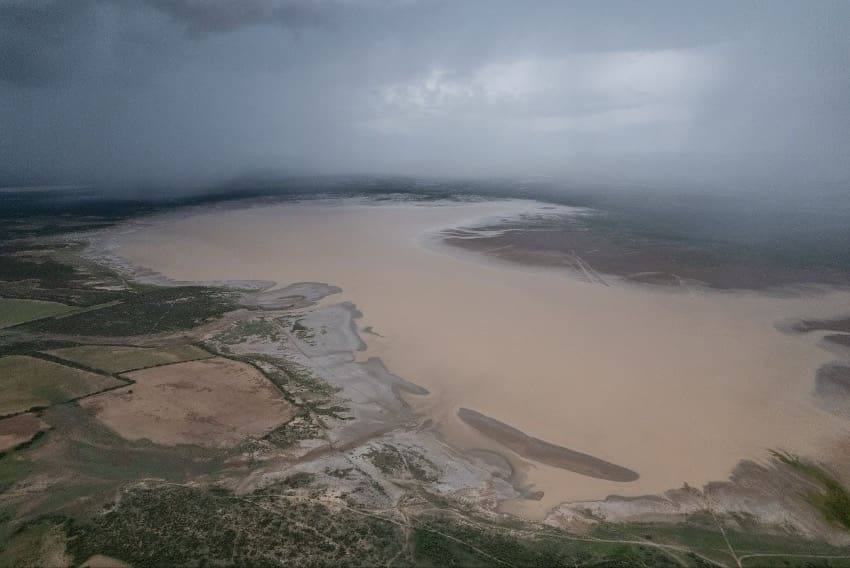
Photo: Adolfo Valtierra
In its most recent report on the global outlook for critical minerals, the International Energy Agency (IEA) noted that in 2024, demand for lithium—driven mainly by the electric vehicle industry—grew sharply. But supply grew even more, leading prices to stabilize far below the peaks seen in 2022. That year, battery-grade lithium carbonate hit a historic high of $80,000 per ton. By early 2025, the price had fallen to $9,000 per ton. To put it in perspective, in 2022 a mid-sized 57 kWh lithium battery cost around $67, but by 2024, that figure had dropped to $15. The IEA report highlights that low prices led to mine closures in Australia and the cancellation of projects in several regions.
Given this outlook, Ferrari and other experts insist that, for now, the conditions for producing lithium from clay in Mexico simply do not exist.
Civil society organizations have been sounding the same alarm since February 2023. In their report Lithium Extraction in Mexico: Public Interest or Transnational Extractivism?, GeoComunes, REMA, and MiningWatch Canada warned that the economic feasibility of lithium extraction in Mexico would depend on “the possible existence of deposits with high concentration levels and on global demand and price trends, which will determine whether clay-based deposits can compete with the lower-cost brine and hard-rock deposits.”
A Patent to Extract Lithium Carbonate—Now on Hold
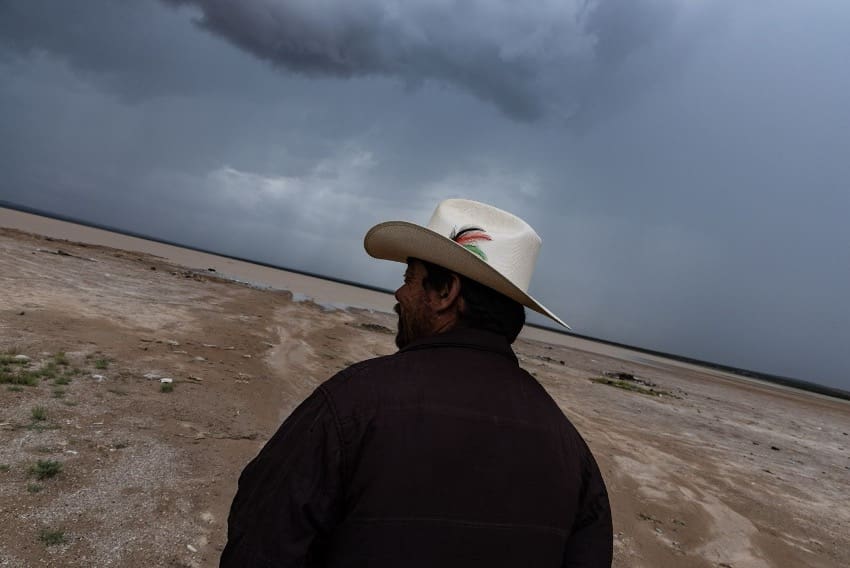
In her first government report, presented on September 1, 2025, President Claudia Sheinbaum did not mention the word lithium even once. Two weeks earlier, in her morning press conference, she had spent just over a minute discussing Mexico’s plans for the mineral. She confirmed the existence of a patent developed by the federal government at the end of López Obrador’s administration to produce lithium from clay, but also warned:
“The issue now is how to turn that into production, because sometimes you have a patent, but the costs aren’t accessible enough to scale it up.”
According to records in Mexico’s Industrial Property Gazette Information System (SIGA), the patent Sheinbaum referred to was granted on December 17, 2024, valid for twenty years, and is registered to Conahcyt, the agency that coordinated and funded lithium research under the López Obrador government.
One of the inventors listed is Dr. Gabriel Plascencia Barrera, a researcher in the Department of Metallurgy and Structural Integrity at the Center for Research in Advanced Materials (CIMAV), a public research institution based in Chihuahua.

Photo: courtesy of Gabriel Plascencia
Around the world, patents already exist for processes to extract lithium from clay—mostly developed in China and the United States. These methods typically require vast amounts of water and electricity. To separate lithium from the clay, they rely on acid treatments, including sulfuric acid.
In an interview with Quinto Elemento Lab, Plascencia explained that while other processes use between 65 and 75 cubic meters of water per ton of clay, the method developed at CIMAV consumes only three cubic meters per ton. It also requires less energy than lithium extraction from rock and, crucially, “doesn’t use any kind of acid.”
“The process we developed is very economical in environmental terms,” says the metallurgical engineer. “I’m not going to tell you it’s the fifth wonder of the world or that it causes no damage. Obviously, if you go and level a hill, you’ll affect the local flora and fauna.”
The publicly funded process has already been tested using clay samples from various parts of the country, especially Sonora. The researchers succeeded in obtaining lithium carbonate with 99.5% purity.
“We demonstrated that processing is indeed possible,” the Mexican scientist says proudly.
He adds, however, that all the tests so far have been conducted at the laboratory scale. The next step is to test the method in a pilot plant and, if viable, scale it up to industrial production. Yet Plascencia acknowledges several obstacles to reaching that point. Chief among them:
“In Mexico, there isn’t a single lithium deposit with concentrations that would allow us to calculate how much could be extracted over a number of years. That simply doesn’t exist.”
Faced with this impasse, the scientist proposes a path to keep his patent from gathering dust:
“We’ve shown that we have the capacity to create our own technology. So, if there isn’t enough lithium in clay to make extraction economically viable, let’s sell the technology. As a country, let’s sell the patent.”
He suggests, for example, offering it to companies exploring lithium production in Nevada, just across the border in the United States, where lithium has also been identified in clay deposits.
Pemex Enters the Lithium World
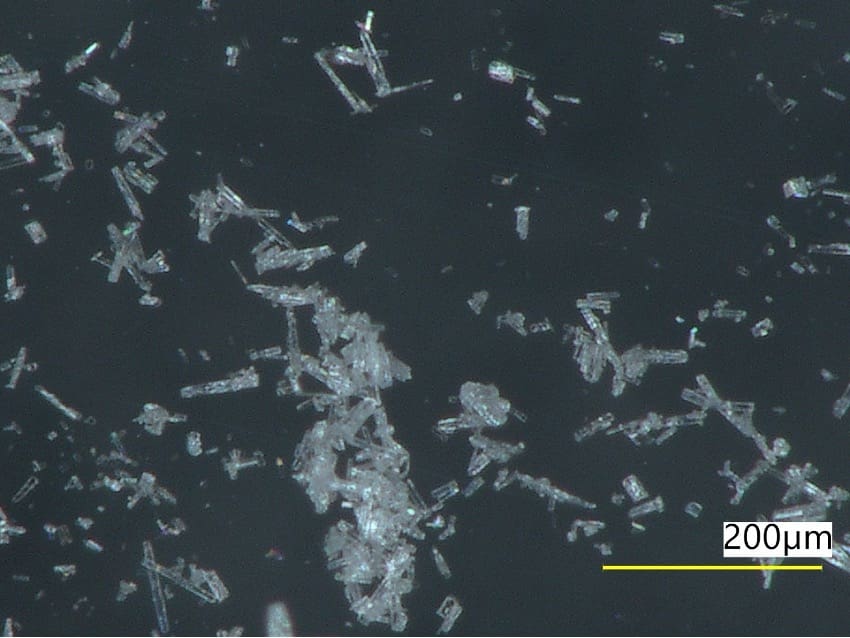
Given the remote prospect of extracting lithium from clay, scientists involved in the Conahcyt-led research proposed that the government explore other short-term options. One possibility: extracting lithium from geothermal brine lagoons located in fields operated by the Federal Electricity Commission (CFE) at Cerro Prieto, in Mexicali, Baja California. Another: recovering lithium from the brines that accompany oil extraction in various parts of the country.
“Those brines have a certain lithium concentration,” explains Ferrari. “In that case it’s a fluid—brackish water—so you don’t have to remove tons and tons of rock to get it. It’s similar to the water in the Andean salt flats, but you still need a sufficient concentration for it to be economical.”
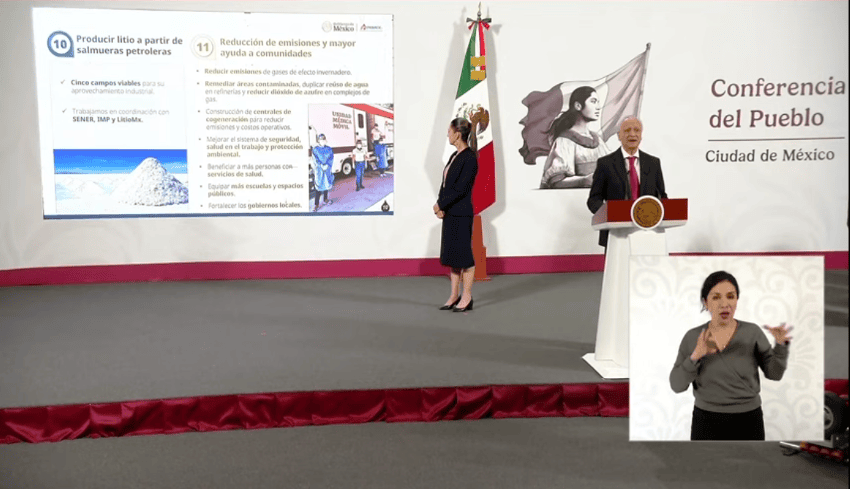
The Mexican government has decided to pursue the oil-brine route. President Claudia Sheinbaum confirmed it on August 19, 2025, during a press conference in which she announced that the Mexican Petroleum Institute (IMP) is developing a process to extract lithium.
Dr. Gabriel Plascencia points out that the government’s new wager comes with major challenges:
“On paper, it sounds great—but you have to separate the organic from the aqueous components. And believe me, that’s a headache you don’t want. It’s extremely difficult.”
Ferrari adds that lithium in petroleum brines can, in theory, be recovered through direct extraction techniques, but warns that such technology is still experimental and requires massive upfront investment, making it barely competitive. For that reason, he doubts the viability of Pemex’s plans:
“Any lithium extraction project requires serious investment in studies and technology—and if Pemex has anything, it’s debt.”
So far, only a few areas of Tabasco have been found to contain oil brines with concentrations that could be of interest, according to Ferrari. Even so, Pemex’s director general, Víctor Rodríguez Padilla, announced that as part of its energy diversification strategy, the state oil company plans to create a new subsidiary: Pemex Litio. He did not explain how it would relate to the state-run lithium company, LitioMX.
Meanwhile, there is little sign of effort to strengthen the lithium agency itself. The decentralized body operates on a minimal budget, enough only to cover administrative costs. In 2024, it spent just over $871,000 USD to pay the salaries of five permanent and nine temporary employees, most assigned to administrative work. Although the 2018–2024 Government Management Report recommended “increasing the agency’s budget to allow it to meet its objectives,” that advice has gone unheeded. For 2025, LitioMX received just $653,000 USD, and the proposed 2026 budget allocates $708,000 USD.
Beyond the limited funds, LitioMX has also suffered from institutional inertia: as of October 6, 2025, its Board of Directors had still not approved the Strategic Program for 2025, according to a response to a public information request.
Three years after its creation, the central institution of López Obrador’s nationalist lithium project remains little more than a small office with no real capacity for innovation.
It’s precisely the kind of scenario described by U.S. researcher Thea Riofrancos in her recently published book Extraction: The Frontiers of Green Capitalism, about the global lithium boom.
“When it comes to resource nationalization, official declarations are just the beginning of a slow and uncertain process of building state capacity and reigning in corporate power,” wrote the Providence College political science professor, citing examples of mineral nationalizations in Bolivia, Chile, and Mexico.
In Mexico’s case, the process continues to drift in uncertainty.
Since late June 2025, Quinto Elemento Lab has requested an interview with Pablo Taddei, director of LitioMX, through the press office of the Energy Ministry. The agency replied that interviews with the official were temporarily on hold. By mid-September, when the journalistic alliance renewed its request, the ministry’s press team stopped responding altogether.
Mexico Faces Lawsuits
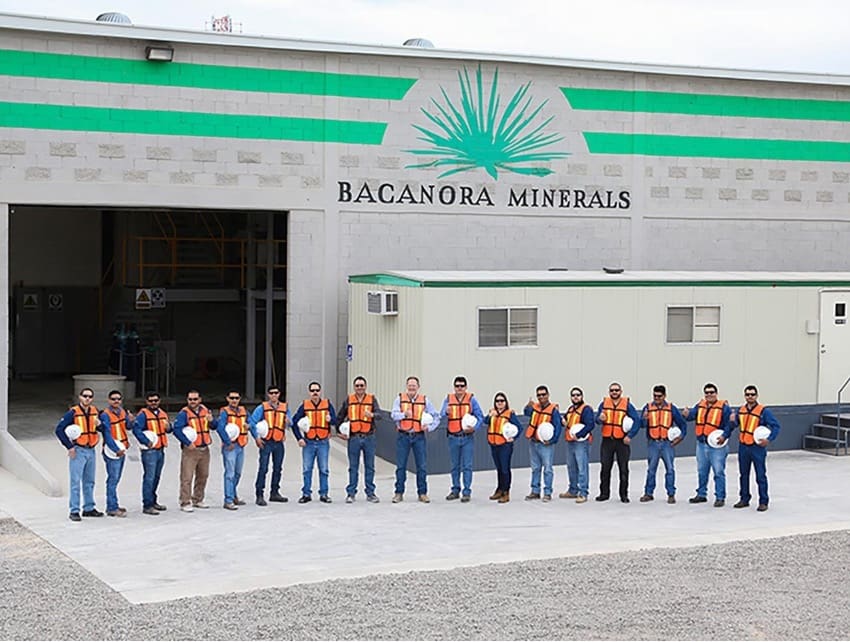
When López Obrador reformed the Mining Law in 2022, the only active lithium extraction project in Mexico was the one developed by Bacanora Lithium (formerly Bacanora Minerals). That same year, the company was fully acquired by Ganfeng Lithium Co. Ltd, one of the world’s largest lithium producers, with projects in China, Australia, Mali, and Argentina.
Bacanora Lithium had concentrated its operations in the municipality of Bacadéhuachi, Sonora—precisely in the area that, in February 2023, was declared part of the Lithium Mining Reserve Zone Li-MX 1. The company sought to strike a collaboration agreement with LitioMX to jointly exploit the deposit, but the effort went nowhere.
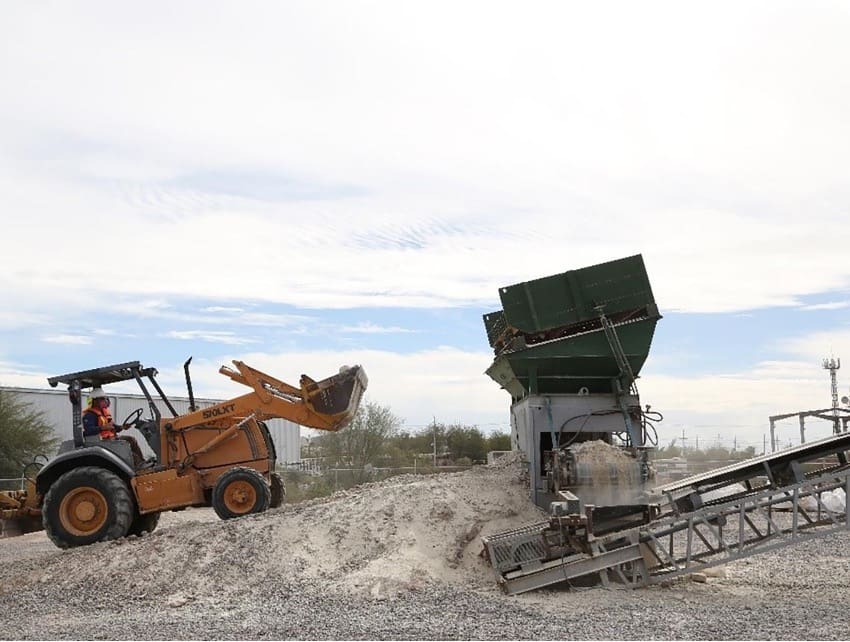
Photo: taken from the Media Center on the website of Bacanora Lithium
According to information from the Public Mining Registry, on August 1, 2023, the Ministry of Economy canceled the concessions held by Minera Sonora Borax and Mexilit S.A. de C.V., both Mexican subsidiaries of Bacanora Lithium. The mining registry notes only that the reason for cancellation was “failure to comply with mining obligations.”
Almost a year later, in June 2024, Bacanora Lithium Ltd., Ganfeng International Trading (Shanghai) Ltd., and the UK-based Sonora Lithium Ltd.—all subsidiaries of Ganfeng Lithium—filed a lawsuit against Mexico before the International Centre for Settlement of Investment Disputes (ICSID), a World Bank–affiliated tribunal that arbitrates disputes between foreign investors and states.
The companies argue that the cancellations were arbitrary and lacked legal basis. The Mexican government, for its part, maintains that the firms failed to meet the minimum investment required for the mining project in Sonora. As of early October 2025, the case was still pending.
Another partner in the Sonora project, the British company Cadence Minerals Plc, filed a separate request for consultations and negotiations with the Mexican government in late 2023, invoking the Bilateral Investment Treaty (BIT) between the United Kingdom and Mexico.
The Ganfeng dispute is not the only international claim Mexico faces over lithium. In late June 2025, the heirs of the late businessman who helped found Bacanora Minerals (later Bacanora Lithium) also filed a case against the Mexican state, according to information available on the ICSID website.
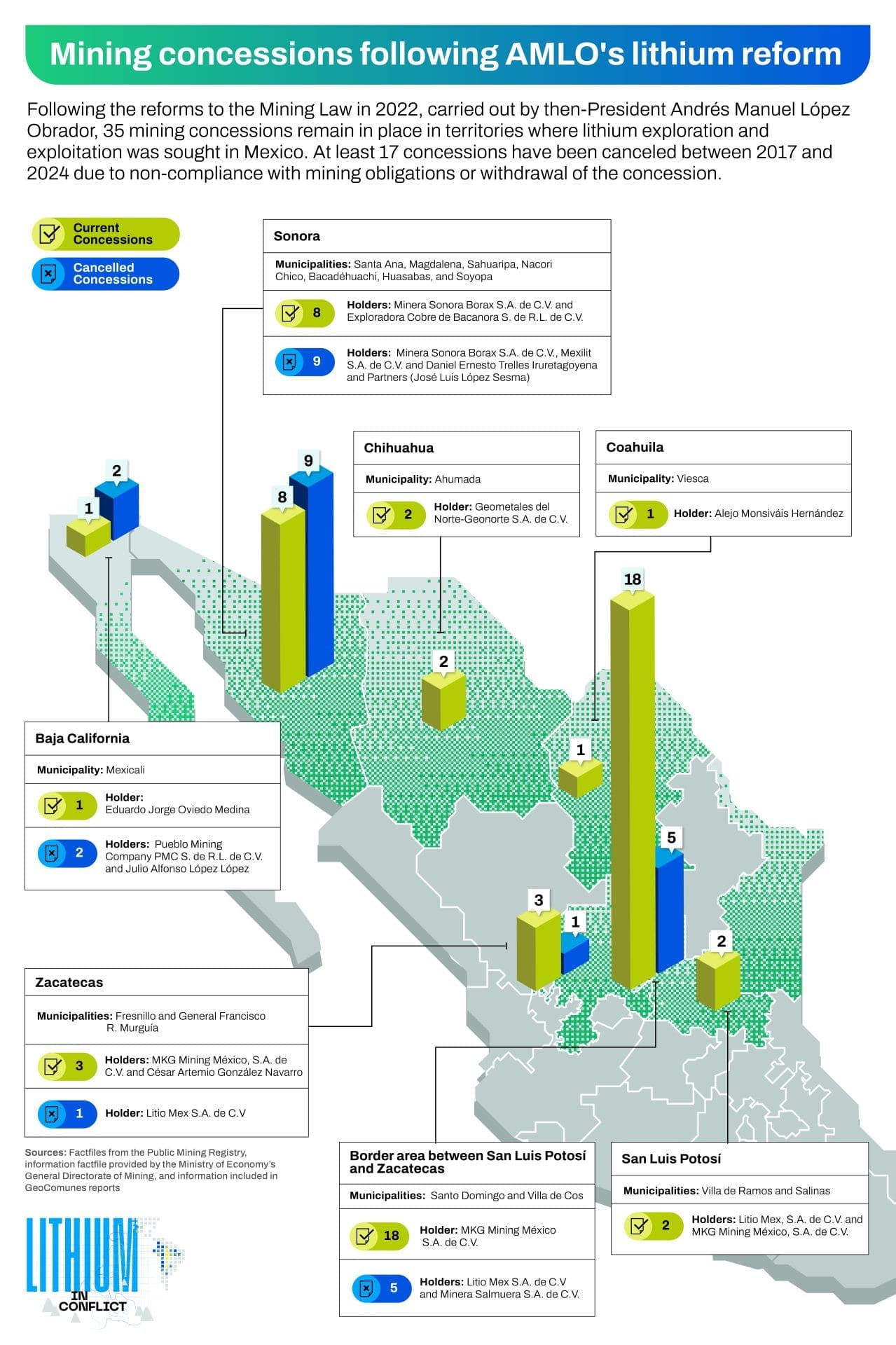
The concessions within the Li-MX 1 Lithium Reserve Zone are not the only ones canceled by the Mexican government. Between December 2017 and June 2024, at least nine other concessions were terminated across different regions of the country where lithium had been detected. The reasons, according to records in the Public Mining Registry and a factsheet provided by the General Directorate of Mines, were listed as “failure to comply with mining obligations” and “voluntary relinquishment of title.”
Despite these cancellations, several companies that once announced lithium exploration projects still hold mining rights through their subsidiaries. When reviewing the Cartominmex website, run by the Ministry of Economy, Quinto Elemento Lab identified at least 35 active concessions in the states of Baja California, Chihuahua, Coahuila, Zacatecas, San Luis Potosí, and Sonora.
Of those 35, 31 are located within the territory of at least 22 ejidos—Mexico’s collective landholding system. Among the companies that still retain concessions is Minera Sonora Borax, a subsidiary of Bacanora Lithium, which holds seven mining titles in Sonora. It also possesses a water concession registered on January 28, 2019, granting it the right to extract up to 1,419,120 cubic meters of water per year in Bacadéhuachi, according to information from the Public Registry of Water Rights (Repda). This is roughly equivalent to 567 Olympic-sized swimming pools (50 meters long, 25 wide, and 2 meters deep).
If Not Lithium, Then Potassium
Ganfeng Lithium is not the only company that sought to partner with LitioMX, the state-run agency. The Canadian junior miners Silver Valley Metals and Advance Lithium Corp. also tried. When those talks failed, both companies shifted their narrative: they now claim that their concessions in Mexico are actually located on potassium-rich lands, an element used in fertilizer production.
On its website, Silver Valley Metals Corp. (formerly Alset Minerals Corp. and OrganiMax Nutrient Corp.) continues to promote what it calls the Mexi-Can Project. The company claims “full ownership” of a complex covering just over 4,000 hectares in San Luis Potosí and Zacatecas, and says it holds six mining concessions.
However, as of September 2025, two of those concessions had been canceled, three remained active under the name MKG Mining S.A. de C.V., and another—also under that company—had been split into 18 separate titles, according to a review of the mining cards available in the Public Mining Registry.
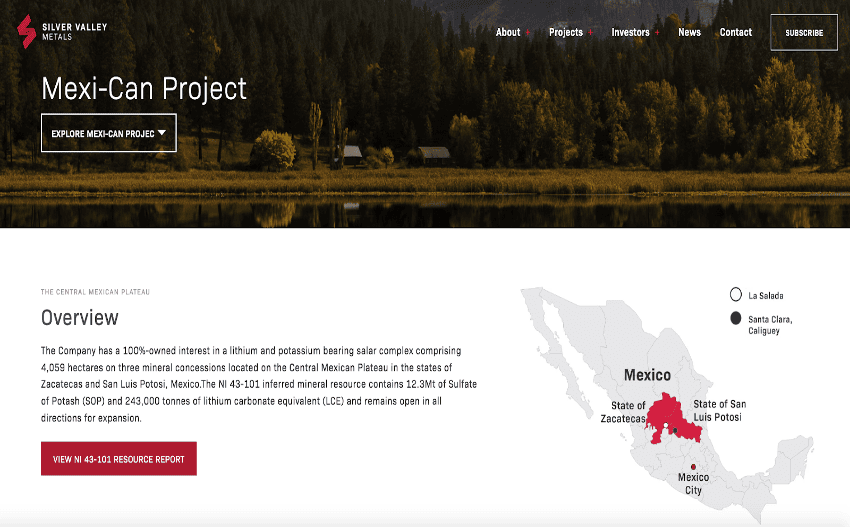
On July 17, 2025, Silver Valley Metals Corp. issued a press release announcing the “recommencement of exploration activities” for its project. The company even presented a new work plan, which includes conducting metallurgical studies focused on extracting potassium sulfate. For these efforts, it said it would collaborate with the Mexican company Hot Spring Mining, which holds a patent for a method to extract potassium sulfate from clay deposits.
Advance Lithium Corp. also acquired concessions. However, since March 2023, when it announced plans to partner with LitioMX, the company has released no further information about its activities in Mexico—and has not published financial statements since February 2023.
In March 2023, Advance Lithium Corp. reported that it had applied for a patent on a method to extract lithium and potassium. According to the Canadian miner, the process consumes little energy and recycles the water it uses, describing it as “truly a green mining solution to produce lithium crucial for green energy.”
The patent referenced by both Silver Valley Metals Corp. and Advance Lithium was in fact granted on March 15, 2024, by the Mexican Institute of Industrial Property (IMPI) to Hot Spring Mining. The inventor listed is Dr. Roberto Pérez Garibay, a metallurgical engineer and research professor at the Center for Research and Advanced Studies (Cinvestav) of the National Polytechnic Institute, Saltillo campus.
More than ten years ago, Pérez Garibay began exploring ways to extract lithium and other minerals from clay.
“My motivation was purely academic, not commercial,” he told Quinto Elemento Lab in an interview.
To pursue his goal, he worked with clay samples from various regions of Mexico, including Sonora and San Luis Potosí.
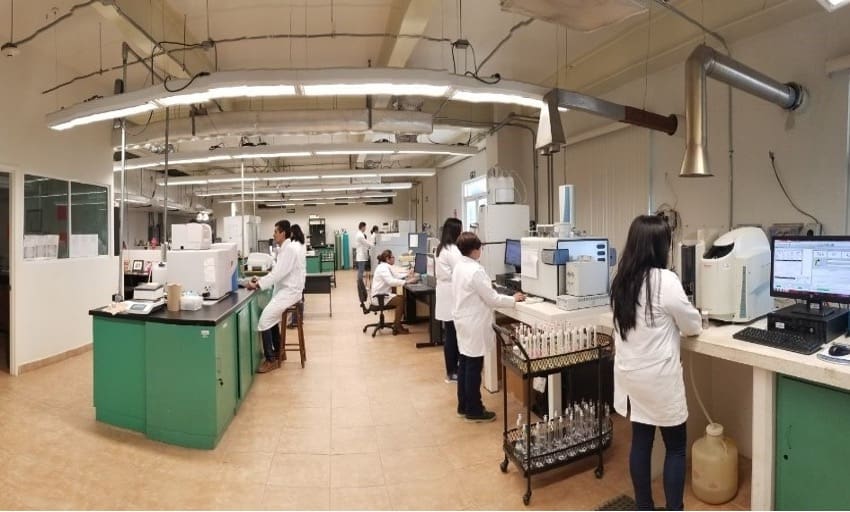
Pérez Garibay recalled that while developing the process to extract lithium and potassium from clays, he was approached by Canadian businessmen—whom he declined to name.
“But since I’m a nationalist, I refused to work with them,” he said.
He did, however, agree to collaborate with Hot Spring Mining, a Mexican company.
As the patent application for his method was being processed, Pérez Garibay ended his relationship with Hot Spring Mining for reasons he preferred not to disclose. Ultimately, the Mexican company retained ownership of the patent—now being promoted by Silver Valley Metals and previously by Advance Lithium.
Although the Canadian firms advertise the process as a form of “green mining” due to its supposedly low energy and water use, Pérez Garibay clarifies that the method he developed “worked at laboratory scale.” That means it would still need to be tested in a pilot plant before any industrial application.
“I invented it, so I know the difficulties it can present,” said the Cinvestav researcher.
The main issue, he explained, is that the clays found on the Potosí plateau contain very little lithium—less than 0.03%, which is extremely low. However, they hold about 9% potassium, making the patented method far more promising for potassium extraction.
“They might be able to extract some lithium,” he added, “but it’s a process that requires a lot of electricity and infrastructure.”
And contrary to what the companies claim, Pérez Garibay stressed that the method “requires a great deal of water, even if it can be recycled.”
Communities Without Water, but With Mining Concessions
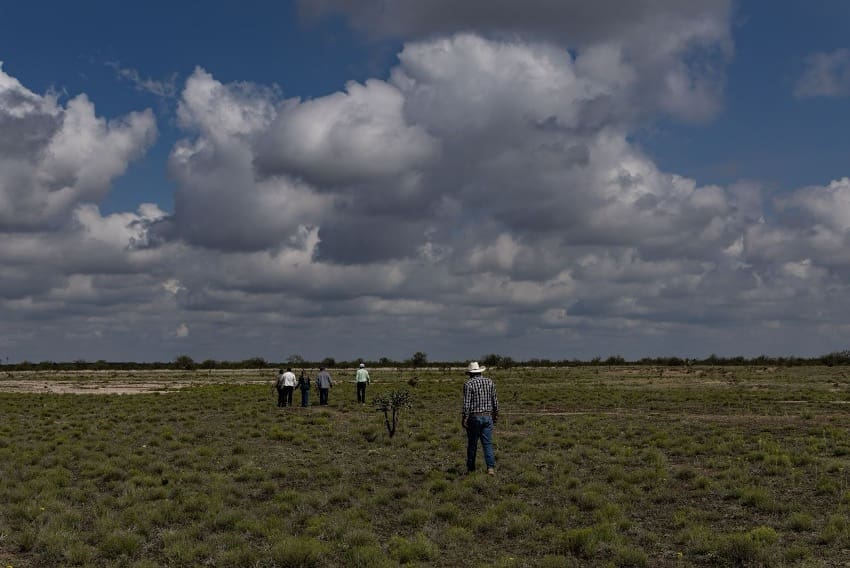
In Illescas, some residents still remember the poplar trees that once lined a small stream running through the area. Today, only one of those trees remains green—a quiet reminder of the time when water scarcity was not a daily struggle in this village in the municipality of Santo Domingo, near the border of San Luis Potosí and Zacatecas.
Here, in the Potosí highlands, water is scarce. That’s why residents of Illescas grew alarmed in 2019, when they learned that the federal government had granted mining concessions on their land several years earlier. They found out thanks to Iracema Gavilán, a researcher from the National Autonomous University of Mexico (UNAM), who visited the community as part of her postdoctoral study on lithium concessions and water vulnerability.
After speaking with her, the residents recalled that years before, men had come to their village, taken soil samples from communal lands, and left behind small cement markers. The villagers never knew what those samples were for—or who had authorized them.
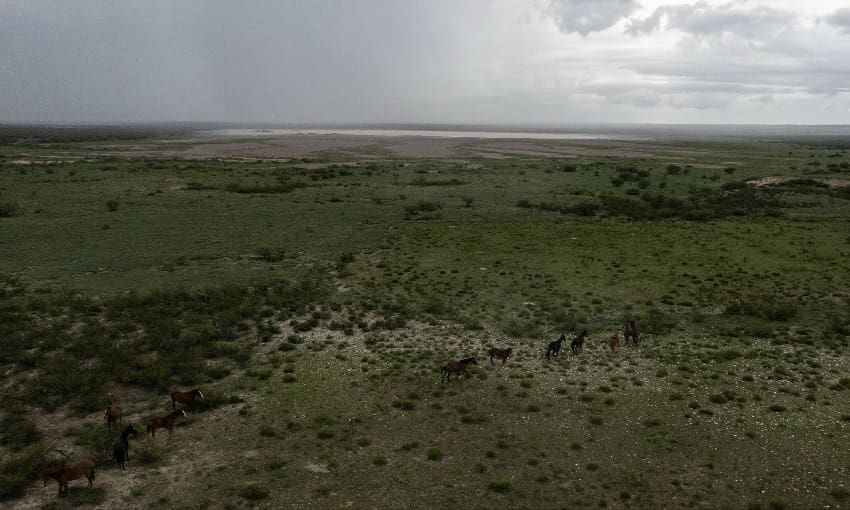
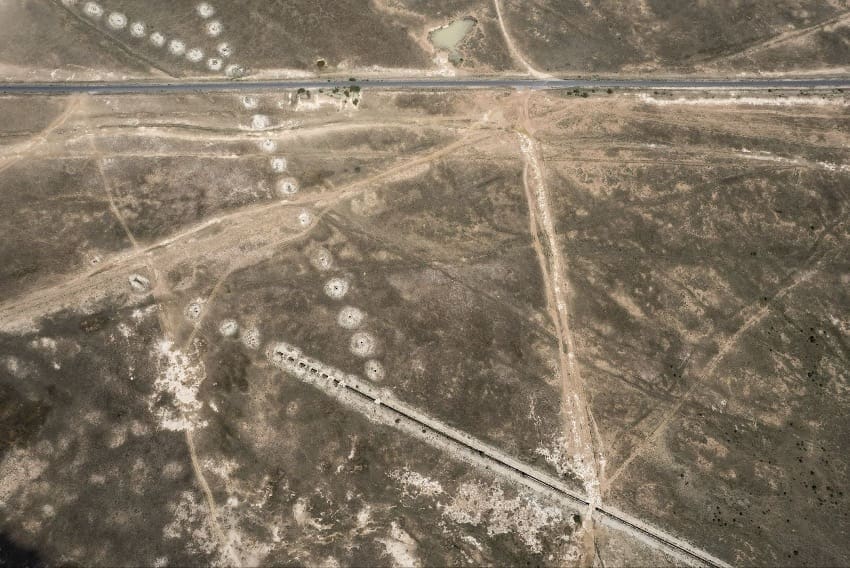
In Santa Clara, a neighboring community, locals remember that long before 2018, outsiders had drilled around 2,000 holes to collect samples from the dry bed of Laguna Santa Clara—a seasonal lake that stays dry most of the year, but occasionally fills with salty water.
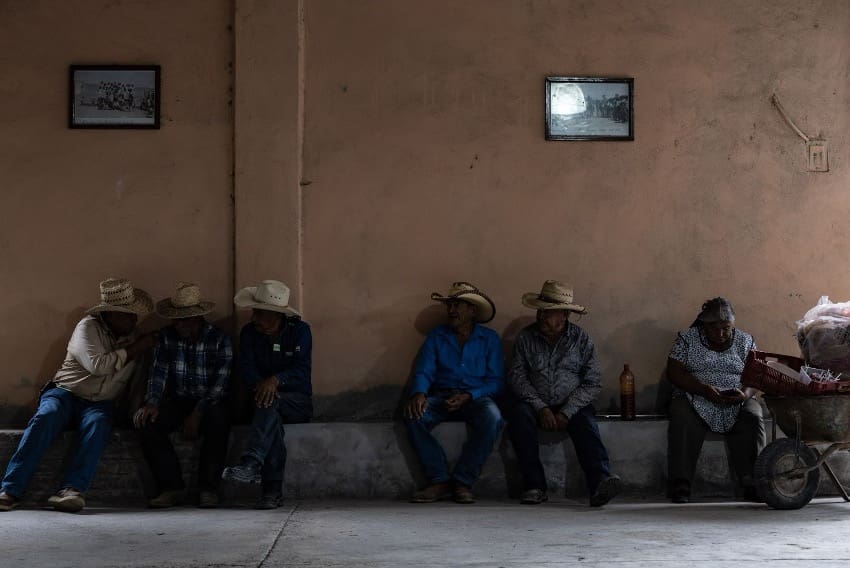
Upon discovering that their ejido lands were covered by mining concessions, residents of Illescas went to the sites where the cement markers still stood—and destroyed them. They recalled that act in July 2025, during an assembly held in the communal hall when Quinto Elemento Lab visited the area.
At that meeting—attended by 50 to 60 people—some farmers wondered whether any concessions were still active in their territory. They believed they had been canceled after López Obrador, in their words, “nationalized lithium.”
The mining titles still active in the municipalities of Santo Domingo and Villa de Ramos were granted by the General Directorate of Mines beginning in 2008. The original holders were companies founded by mining entrepreneur Martín Sutti. Today, the concessions are registered under Litio Mex S.A. de C.V. and MKG Mining México S.A. de C.V., and remain valid until 2059.
These concessions cover the lots known as Sutti 21, Sutti 22, and Sutti 19. Until 2021, Sutti 19 was a single concession, but that May the General Directorate of Mines authorized it to be split into 18 separate lots, each with its own title.
As of September 2025, there were 20 active mining concession titles in the municipalities of Santo Domingo and Villa de Ramos.
Residents of Illescas now wonder whether the companies holding those concessions—now claiming to focus on potassium—will truly “leave the lithium behind.” As one of them asks, “Will they ignore the other minerals in those lands?” For those questions, the recent reform of the Mining Law offers no answers.
There’s another question that comes up repeatedly among locals, who prefer to remain anonymous given the pervasive presence of drug cartels in the region: Where do they expect to get the water to extract minerals—potassium or anything else?
“The aquifers here are already at their limit,” the farmers of Illescas say again and again.

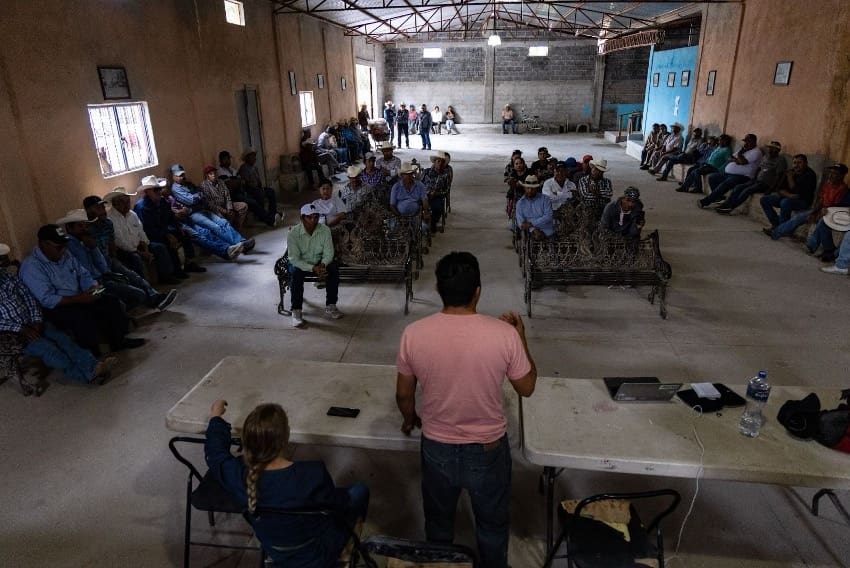
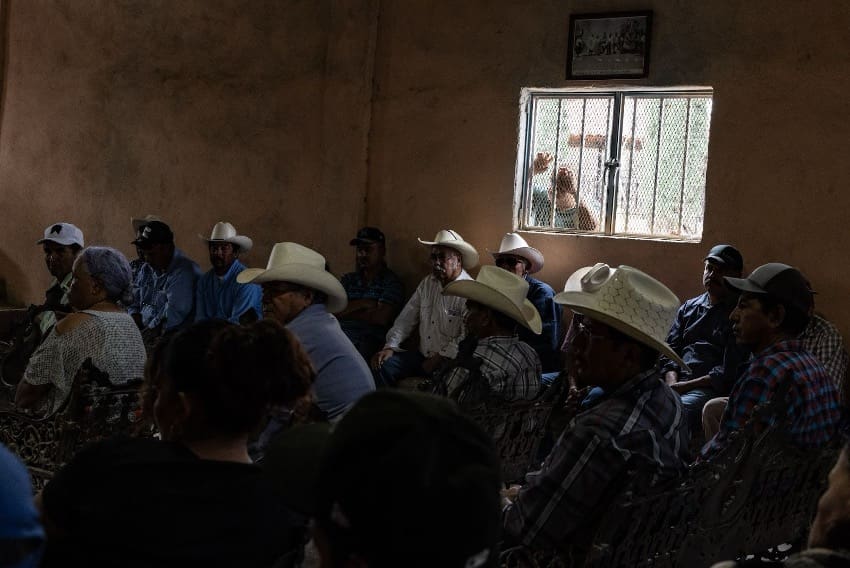
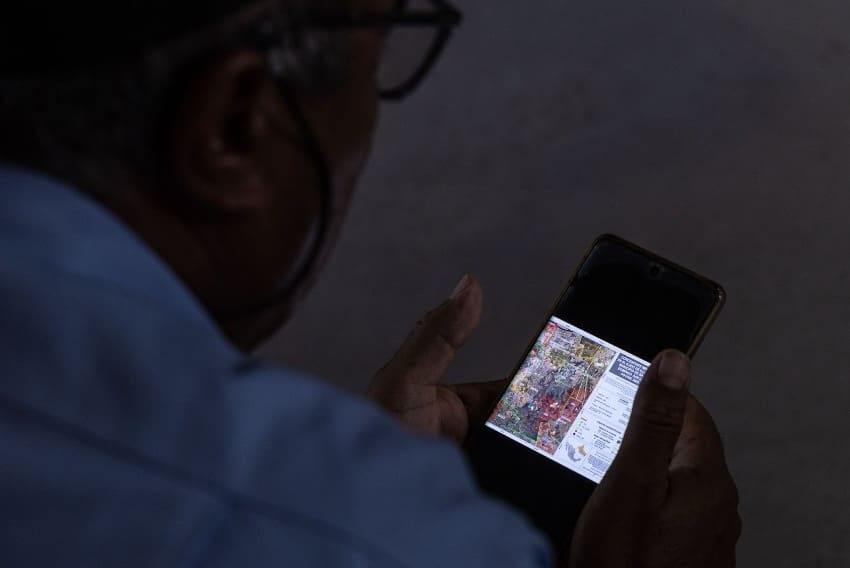
Residents of Illescas attending the community assembly. Photo: Adolfo Valtierra
A 2024 study by Mexico’s National Water Commission (Conagua) backs up their concern. It found that the El Barril aquifer, which supplies several towns including Illescas, suffers an annual deficit of 63,296,591 cubic meters—meaning more water is being drawn than replenished. Conagua has therefore warned that it cannot grant any new water concessions in the area.
During the assembly at the communal hall, residents expressed anger that they had never been consulted before the federal government granted mining concessions on their land.
“Instead of imposing mining on us, they should send us doctors—because we don’t have any medical services here,” said one man.
“I just wish the government would guarantee that those concessions will be canceled forever,” added another.
“We need them to remove this thorn we carry,” said a third. “Every time there’s news about lithium, we worry they’ll come to Illescas and kick us out—because we’re on the map of minerals.”
The Ones Who Have Won
In Mexico’s lithium story, there are those who have won without producing a single gram of the mineral—and without ever setting foot in the lands where the supposed deposits lie. Simply holding concessions has opened the door to what looks increasingly like a speculative mining market.
Take Martín Fernando Vidal Torres, for example—a geologist who was the first registered holder of four mining concessions in Bacadéhuachi and Huasabas, right where what was later touted as “the world’s largest lithium deposit” would be announced.
In 2011, Vidal Torres transferred those four concessions to Minera Sonora Borax S.A. de C.V., a company in which he was then the sole administrator, according to documents from the water concession file held by that firm—records obtained by Quinto Elemento Lab through a public information request.
Vidal Torres helped launch the Sonora Project alongside the Canadian junior mining company Bacanora Minerals, where he served as Vice President of Exploration until 2017, as reported by N+ Focus in a September 2022 investigation. By August 2022, China’s Ganfeng Lithium had acquired all shares of Bacanora Lithium, the parent company of Bacanora Minerals, which by then had moved its headquarters to the United Kingdom.
Meanwhile, the Canadian company Silver Valley Metals Corp. acquired mining concessions in Zacatecas and San Luis Potosí between 2017 and 2019. According to its financial statements filed with the Canadian Securities Exchange, it paid just over $1 million Canadian dollars in cash and issued 2.1 million shares to the Mexican company MKG Mining S.A. de C.V. for four mining concessions. For two additional concessions, it issued 1.3 million shares to Hot Spring Mining, another Mexican firm, worth $634,212 CAD.
In total, Silver Valley Metals reported paying $1,656,217 CAD, including cash, shares, and related expenses, to acquire the six Mexican concessions.
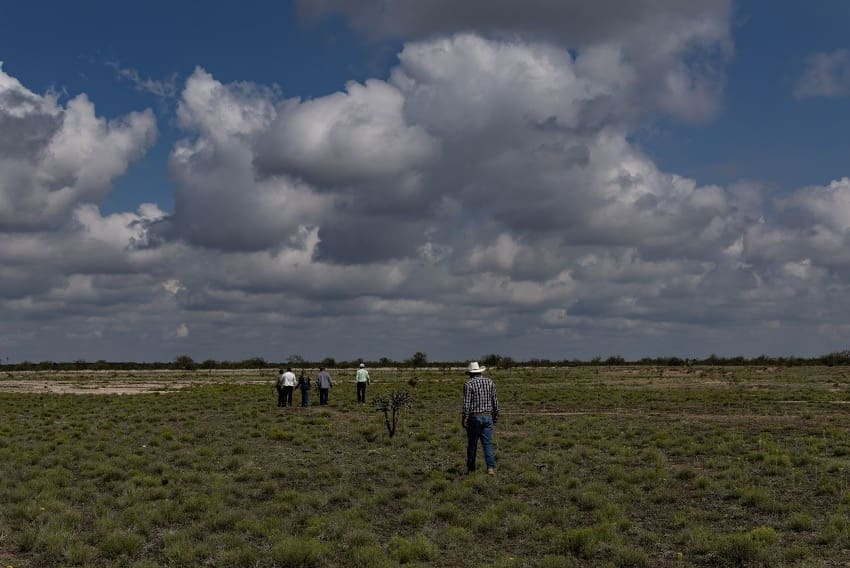
Photo: Adolfo Valtierra
According to the Public Registry of Commerce, MKG Mining México S.A. de C.V. was created in July 2015 in the city of Zacatecas. Its shareholders are Orlando Iván López García and Jorge Hernández Villagrana. The mining concessions the company now holds were previously registered under Piero Sutti S.A. de C.V. or Litio Mex S.A. de C.V., according to mining registry records. Both of those companies were founded by Martín Sutti, the mining entrepreneur who, back in 2009, publicly claimed that a major lithium deposit had been found along the border between Zacatecas and San Luis Potosí.
Hot Spring Mining lists its address as Paseo de Bernárdez No. 59, Lomas de Bernárdez, in Guadalupe, Zacatecas—the same address used by Litio Mex S.A. de C.V. in the Public Property Registry.
In June 2012, Martín Sutti alleged that his son had taken part in “a plot” to strip him of his mining concessions. Five months later, the mining entrepreneur died while dining at a restaurant in Guadalupe, in the Zacatecas metropolitan area.
Companies like Bacanora Lithium and Silver Valley Metals Corp. can now claim legal rights to mining titles in Mexican territory thanks to the 1992 Mining Law, which allowed for the transfer or sale of concessions.
The 2023 reform of that law (now renamed the Mining Act) did not prohibit such transfers; it merely specified that the Ministry of Economy must authorize any change in concession ownership, with the procedure to be detailed in the law’s forthcoming regulations. As of October 2025, those regulations had yet to be published.
Amid international lawsuits against the Mexican state, companies now pivoting to profit from potassium, communities for whom the lithium rush has brought only new anxieties, scientists hoping their innovations will be recognized, and a cash-strapped public agency overshadowed by Pemex, Mexico’s bid to turn lithium into a state asset looks increasingly tangled.
What’s clear is that in just three years, the country has moved from unbridled enthusiasm to uncertainty about what lithium will ultimately mean for Mexico—that mineral once hailed as “the new oil”, the resource that was supposed to help us move beyond oil.
Lithium in Conflict is a project led by the Latin American Center for Investigative Journalism (CLIP) in partnership with Consenso (Paraguay), La Región (Bolivia), Quinto Elemento Lab (Mexico), Repórter Brasil (Brazil), Ruido (Argentina), Climate Tracker Latam, Dialogue Earth, Mongabay Latam, and Columbia Journalism Investigations (CJI), on how the lithium industry is operating in Latin America. With the support of the legal team El Veinte.


