

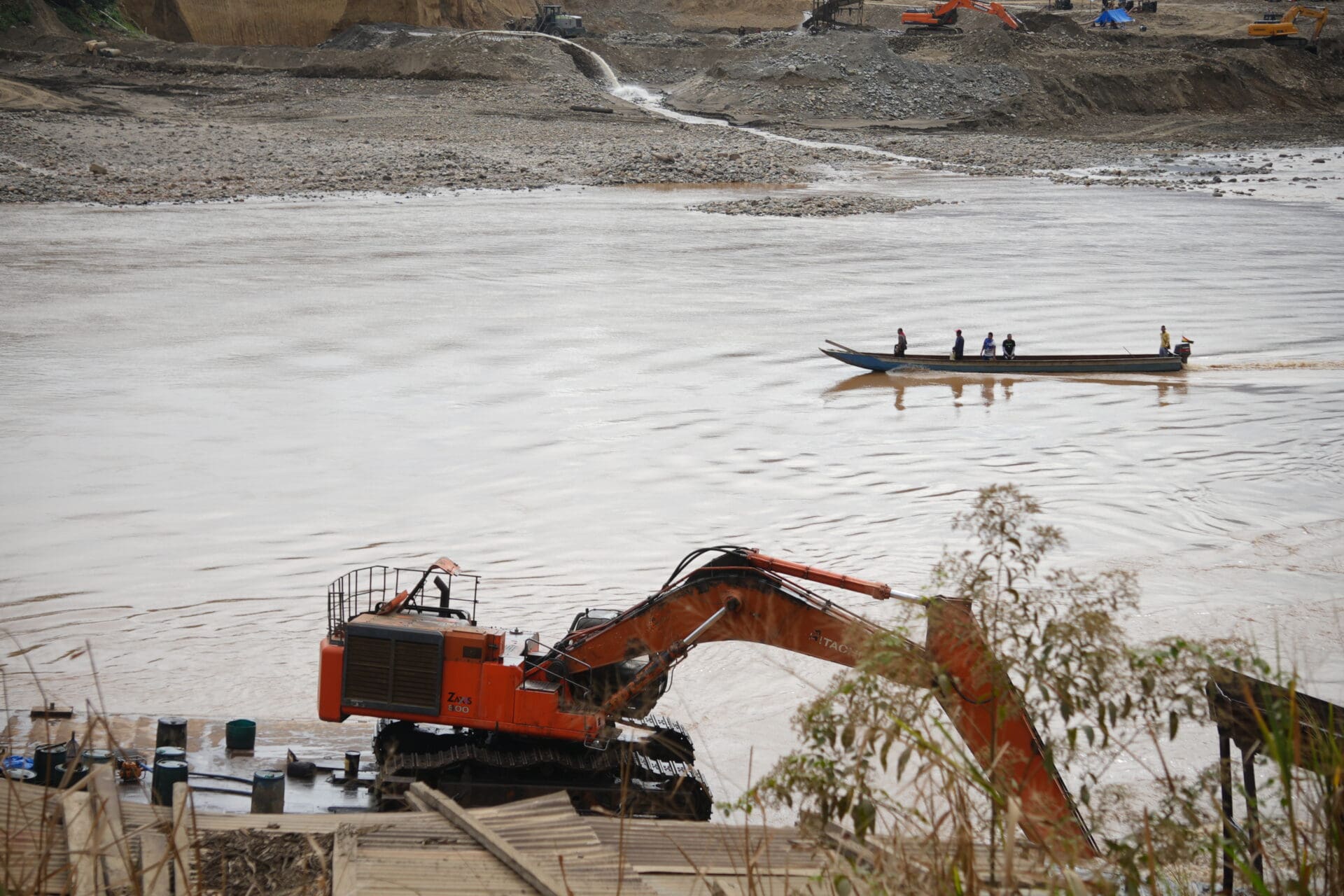
Gold mining has transformed the lives of indigenous communities in the Bolivian Amazon. For decades, this activity has polluted the waters of a river and caused irreversible damage.
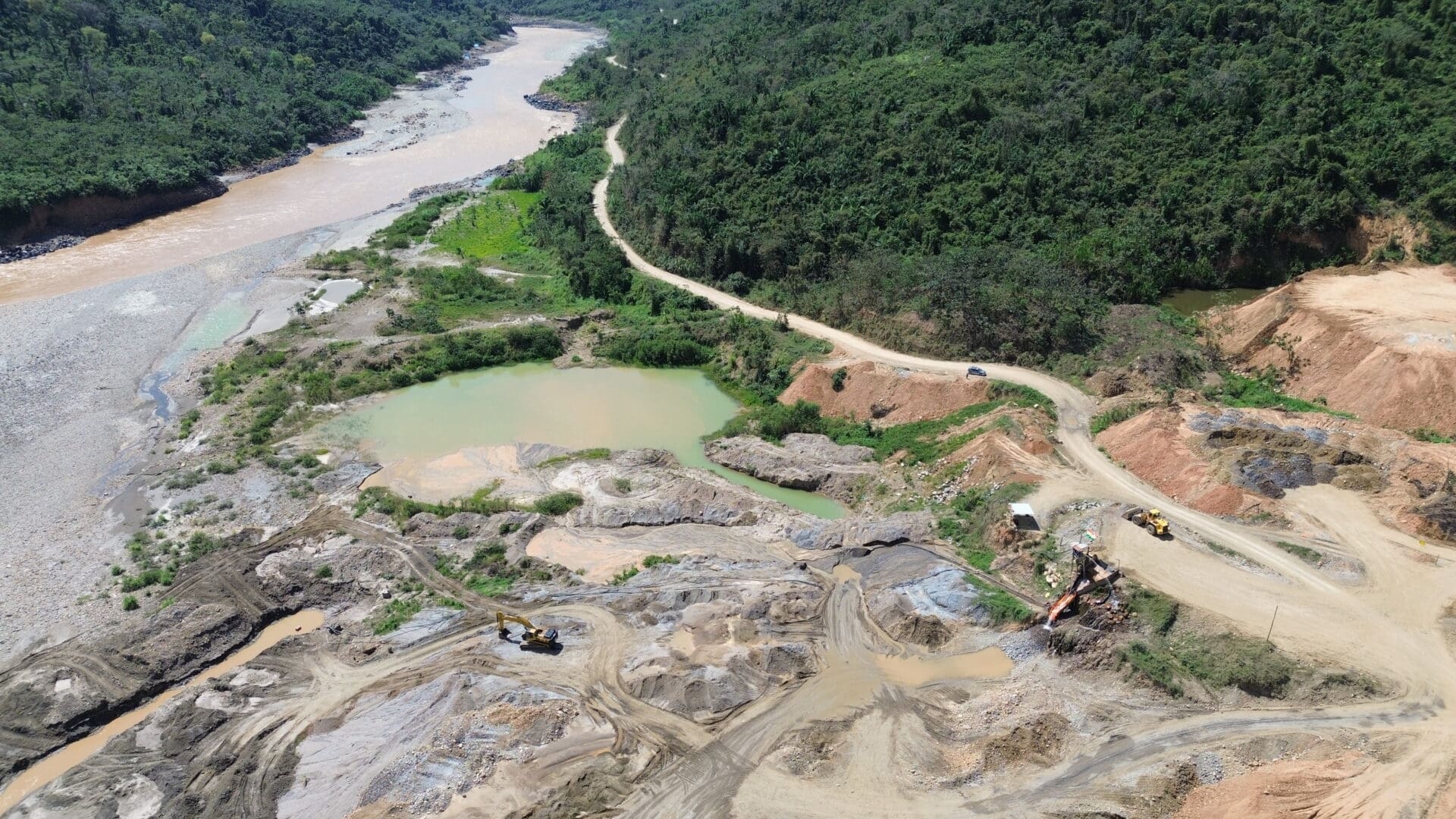
In the Beni basin, micro-basins affected by illegal mining saw a 21.5 per cent increase in water surface area, in the form of pools, whilst those unaffected by mining lost 17.2 per cent. This is the greatest disparity among the four countries analysed for this study.
The bed of the River Kaka has been destroyed. The sediment carried by its waters has adversely affected fishing, water consumption and boat travel.
The Leco indigenous people are trying to prevent mining from encroaching on the streams from which they still draw their water.
Iván Paredes Tamayo (Mongabay Latam)
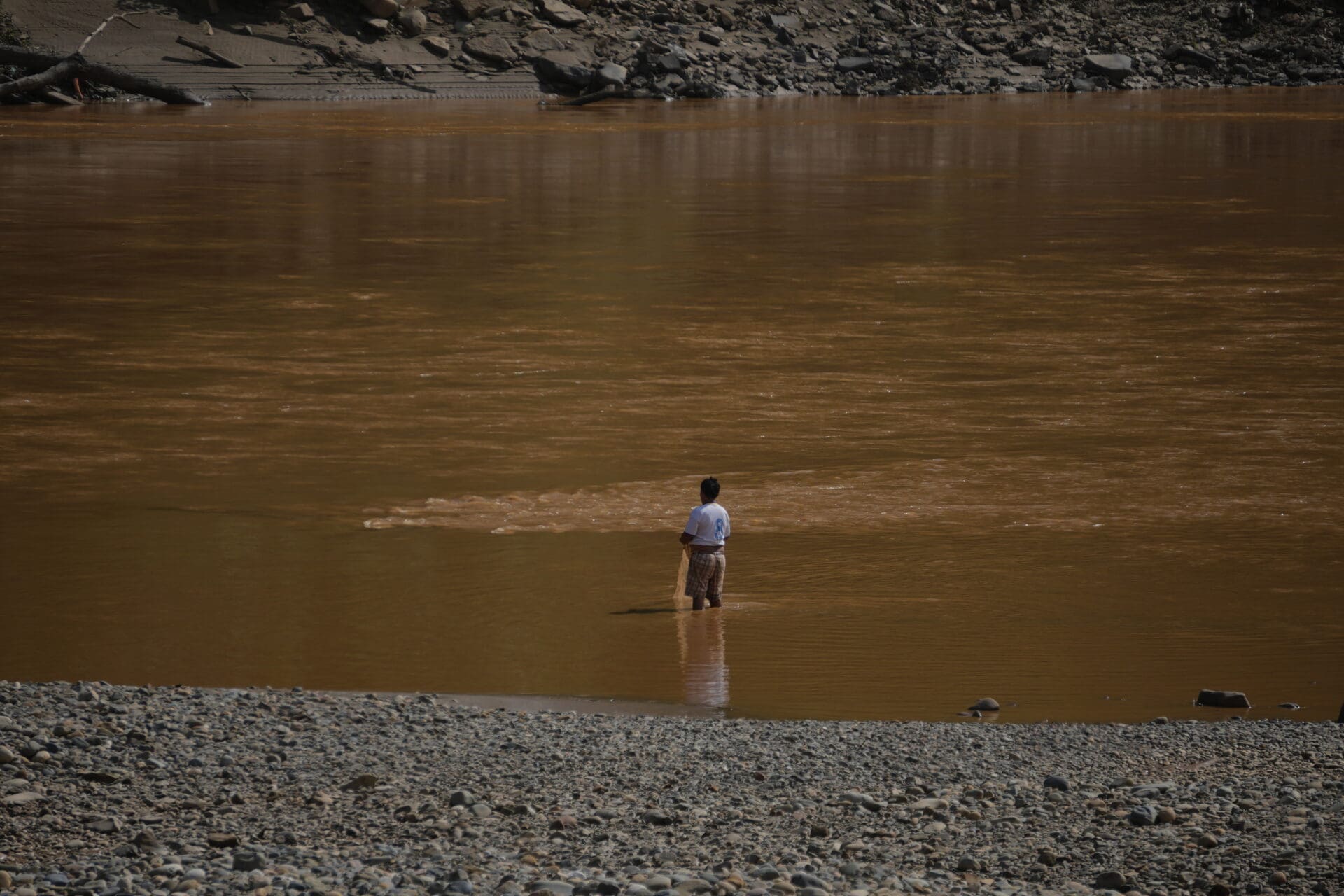
José Cartagena has fond memories of the Kaka River. There, 40 years ago, he says he could fish for pacu, surubi and catfish, drink the water and even navigate the river without any problems. But for this indigenous leader of the Leco people, who lives in Tomachi – a village in the Amazonian part of the department of La Paz, in eastern Bolivia – the Kaka is now a lifeless body of water: there is no longer any fishing, its waters are polluted and the sediment on the riverbed has made navigation a Herculean task.
This disaster, he explains, was caused by alluvial gold mining – both legal and illegal – which left the riverbed completely devastated.
Since 2000, mining operators have been increasingly using dredges. However, the history of mining in the municipality of Teoponte – to which Tomachi belongs and from which it is some 17 kilometres away – goes back much further. In the late 1950s, the US company South American Placer Incorporated (SAPI) built a small airport to transport the gold by aeroplane. It was the first company to introduce a dredge to mine the ore intensively. It operated there until the 1980s, when it sold its concessions to Corporación Minera del Sur (Comsur), owned by the Bolivian businessman Gonzalo Sánchez de Lozada, who would later become President of Bolivia.
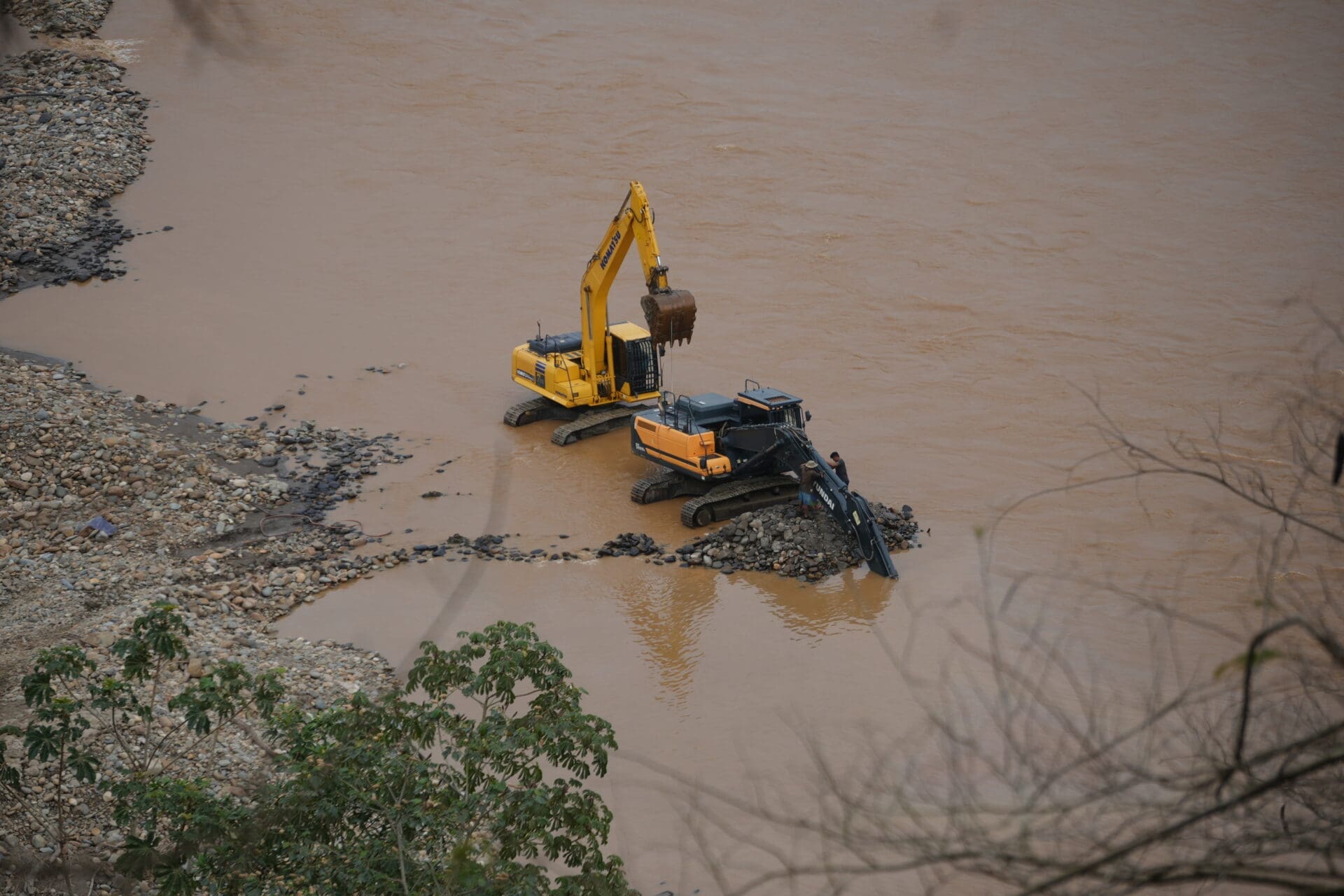
From the 1990s onwards, following the arrival of national mining companies, some of the Leco indigenous people decided to take up this activity, and so, little by little, some members of the indigenous communities became cooperative members.
The result of this boom brought about several changes.
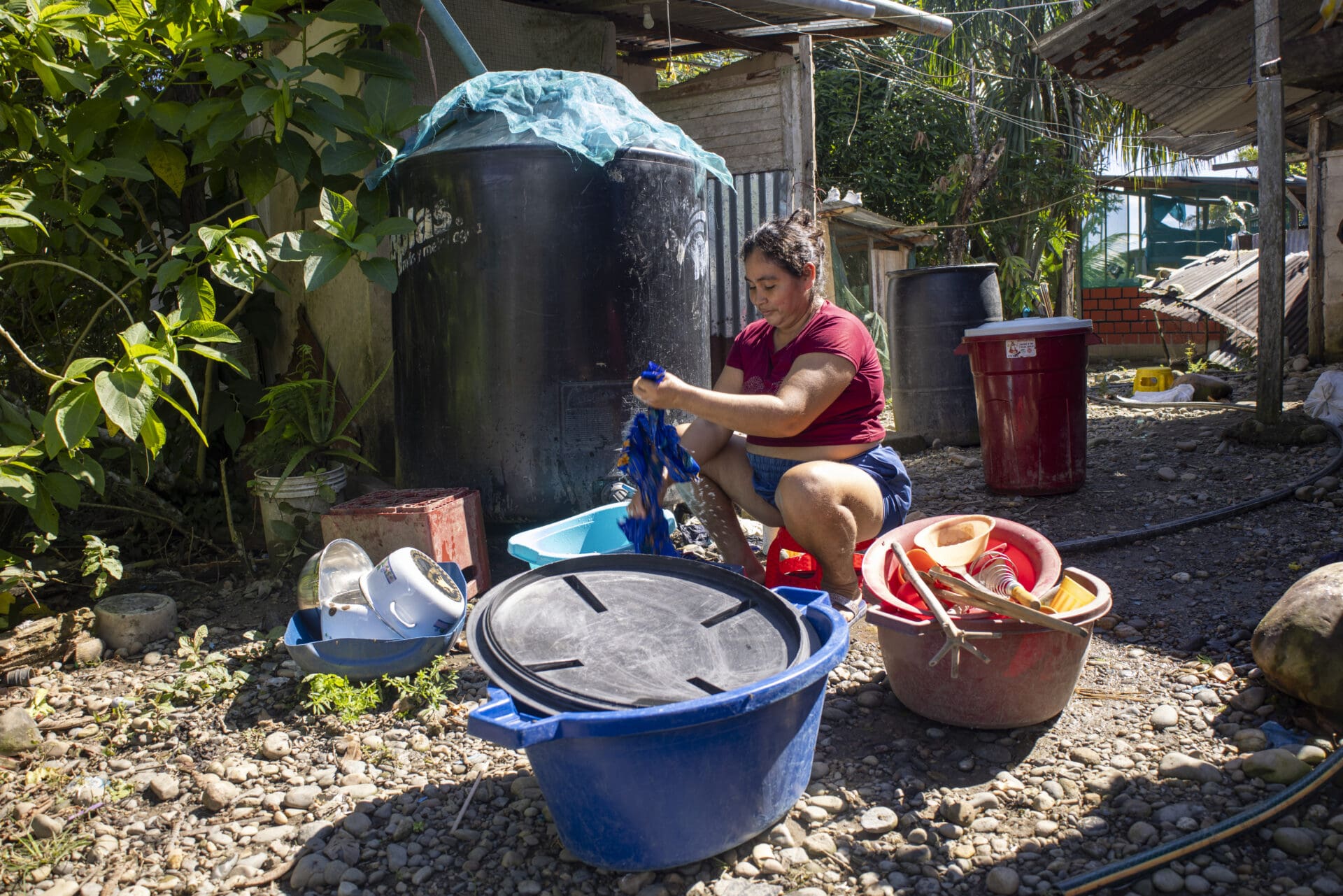
“The Kaka River used to have clear water; today it is polluted by all the companies working in the mining area,” says Cartagena, a 62-year-old man who is now chair of the Water Committee in the Tomachi community. “We could even drink the water because there was no pollution. Now it’s impossible; you can’t do that anymore.”
Images of what the river used to be like spring to his mind instantly. It used to be narrow, he says; now it is wider due to mining activity. “From Caranavi to Puerto Pando, it’s all mining. It’s all mercury pollution; there’s also pollution from oil and diesel,” he explains, referring to the 141-kilometre stretch of the river where his community is located and to the waste dumped into the water by the boats that sail along it.
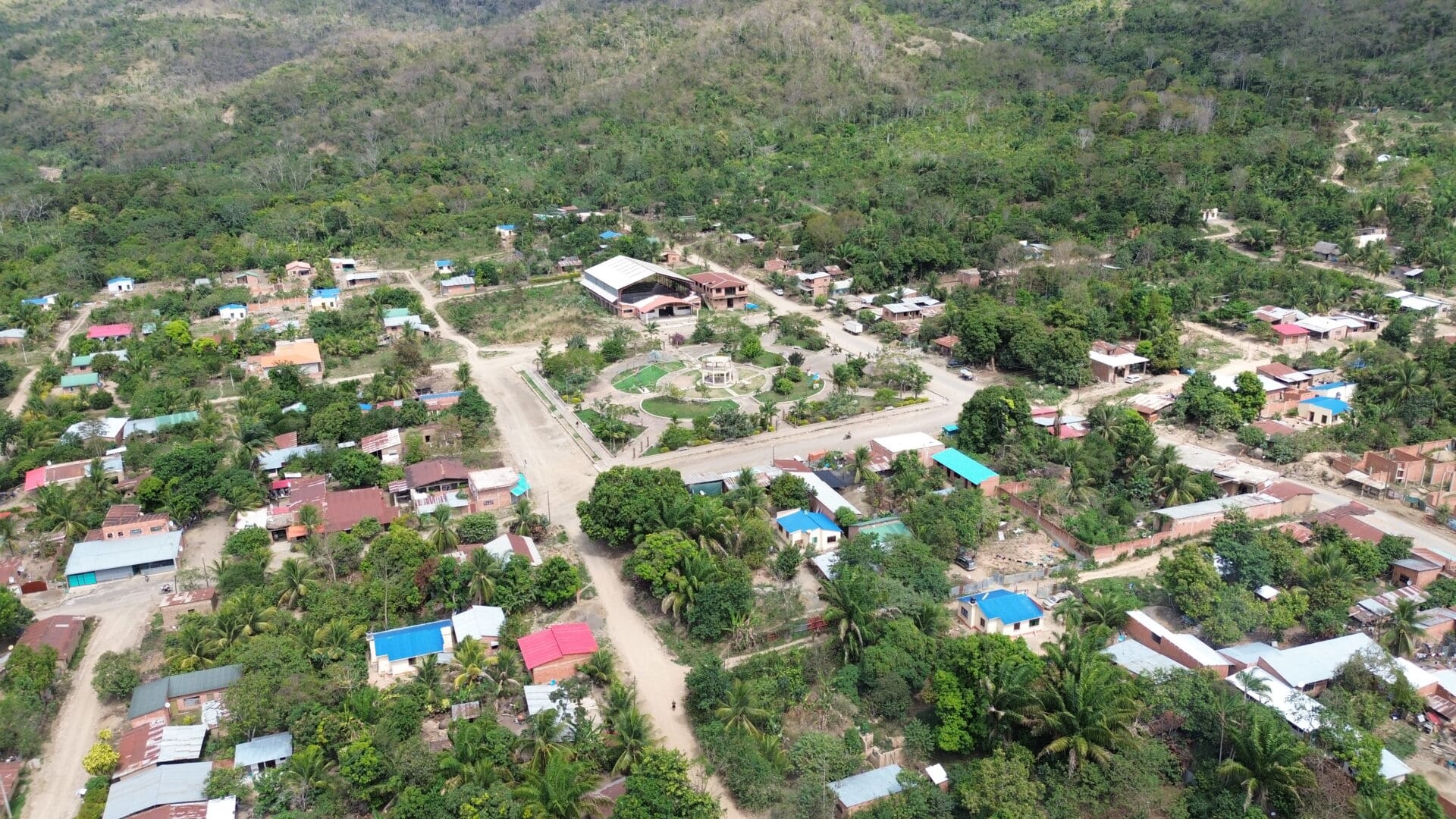
Tomachi, home to some 1,300 inhabitants, forms part of the Leco indigenous territory in the Bolivian Amazon. His village, despite the river’s deterioration, has only by a miracle not died of thirst. They are still fortunate enough to have two streams. “For the time being, they haven’t dried up, because we’re looking after that water. We don’t allow anyone to clear-cut the surrounding area. There’s water here 24 hours a day because we keep watch every day,” he says.
Journalists from Mongabay Latam, El Espectador and Correo del Caroní analysed the changes that have affected the Kaka and three other Amazonian rivers in Bolivia, Colombia, Peru and Venezuela over the last two decades, with support from scientists at MapBiomas and the quantitative ecology training programme at Brazil’s Serrapilheira Institute. They carried out this work as part of the ‘Divided Waters’ investigation, coordinated by the Latin American Centre for Investigative Journalism (CLIP) in partnership with eight media organisations across the region.
In total, this partnership analysed 722 micro-basins across four countries using the micro-basin analysis tool from the Amazonian Network for Georeferenced Socio-Environmental Information (RAISG), based on data from the MapBiomas Agua platform, created by a consortium of Amazonian non-governmental organisations to map changes in land use and the evolution of water bodies under multiple pressures.
The results are striking. In Venezuela, the total water surface area of the 98 tributaries and reservoirs in the Caroní fell by 5.8 per cent, according to data from MapBiomas Venezuela. Given that more than three-quarters of the Caroní’s water is contained by three large hydroelectric power stations (Guri, Macagua and Caruachi), this figure masks a significantly greater loss of water in the rivers themselves. In Colombia, where the dominant pressure is livestock farming, the most deforested micro-basins are also losing water. In Peru, 99.7 per cent of new artificial water is concentrated in 45 of the 84 micro-basins with mining activity. And within these four basins, a more nuanced pattern emerges: one in six micro-basins loses natural water whilst gaining artificial water at the same time; of every five hectares of that artificial water, more than four are located on indigenous territory.
The research analysis puts figures to what Tomachi observes. In the Beni catchment, where the Kaka is located, 164 micro-catchments were analysed. The 52 with recorded illegal mining gained 21.5 per cent in water area between 2000 and 2024 – from 16,068 to 19,526 hectares – whilst the 73 with no mining lost 17.2 per cent. This is the greatest difference among the four countries covered by the study. And it cannot be explained by rainfall: the mining micro-basins that ‘gain’ water are, in fact, the ones that receive the least rainfall.
This ‘gained water’ is not drinking water: it consists of the pits left behind by mining. Across the whole of Beni, almost 14,000 hectares of natural water were lost, and in their place some 3,000 hectares of pits appeared. Indigenous territory covers, on average, 34.8 per cent of the micro-basins in Beni analysed – the Leco, Tacana, Cavineño, Mosetén, Chácobo and other peoples, according to RAISG – and these new pools appear precisely within the territory inhabited by these communities.
And the actual extent could be even greater than what the maps show. To classify a body of water as a mining site, the system requires additional data, which is scarcer in Bolivia than in other countries, explains Eva Mollinedo, technical coordinator at MapBiomas Agua Bolivia. “In Peru there is more information, whilst in Bolivia the issue of [mining] use is somewhat under-represented,” she says.
A journey through the Kaka
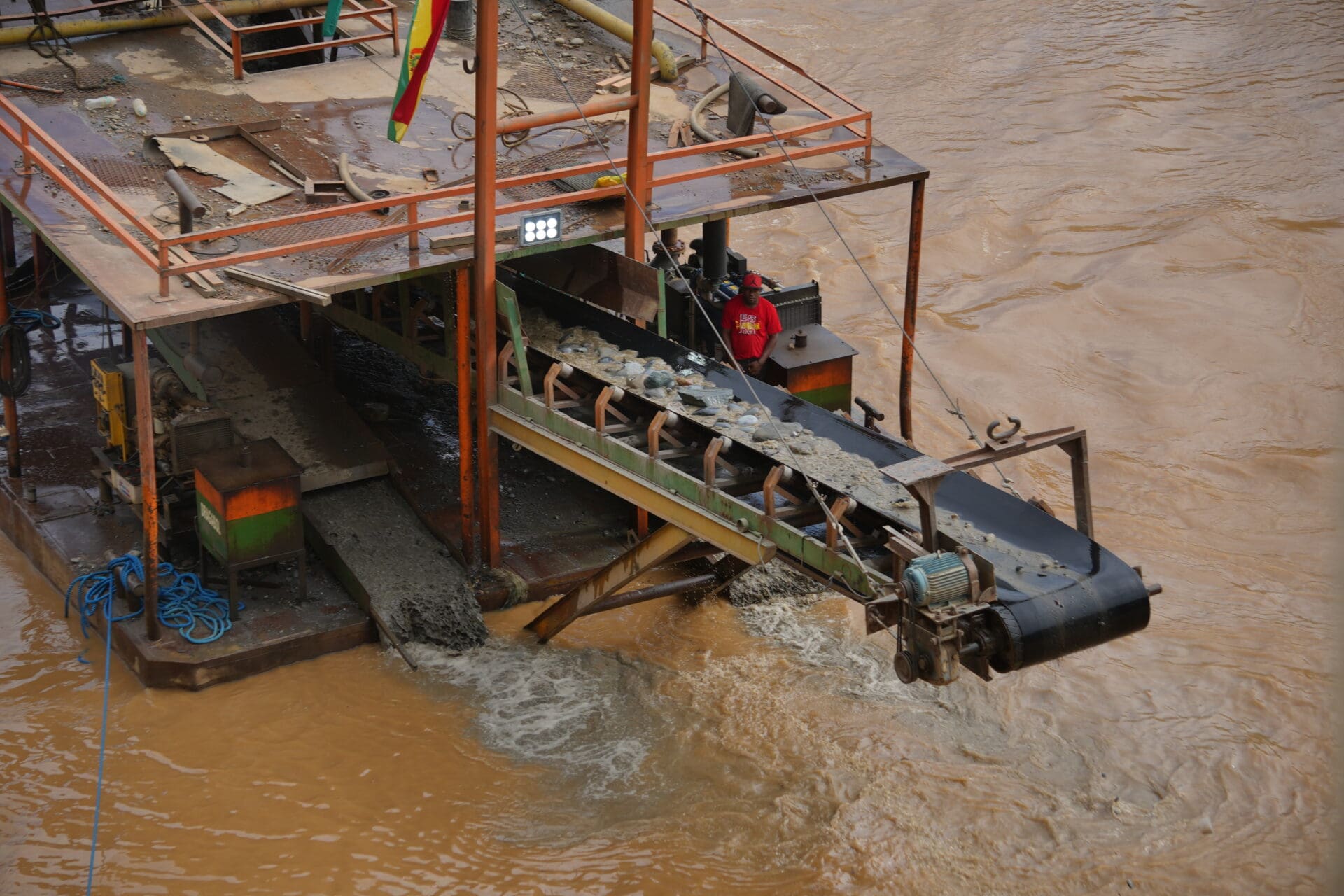
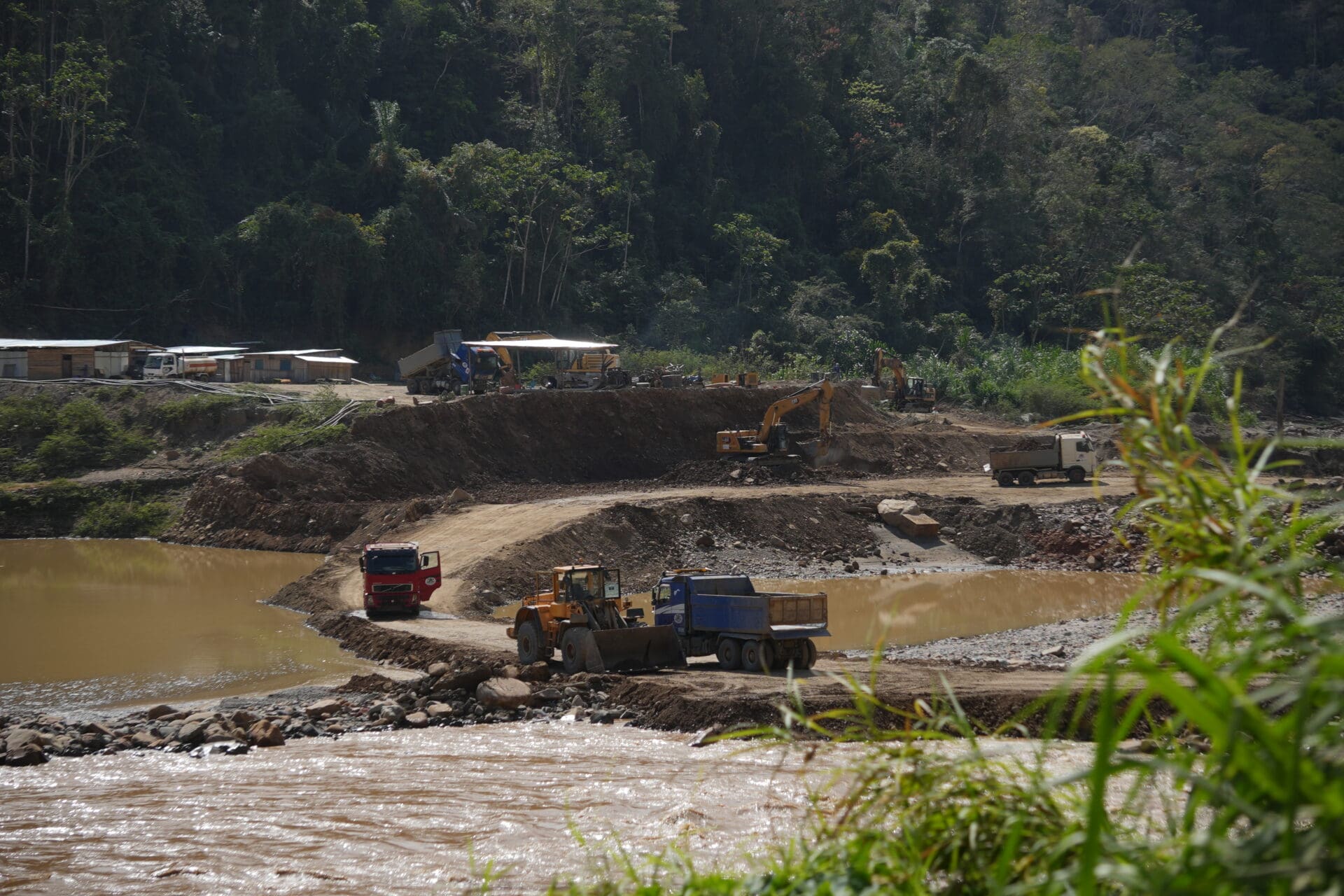
Tomachi is a land of contrasts. Despite the roar of diesel engines heard in the distance and the brown waters of the Kaka, birds still sing and fly fearlessly around the village. Not far away, iron structures can be seen floating on the river: these are the dredges and mining rafts that operate day and night, stirring up the riverbed in search of gold nuggets.
Mongabay Latam travelled 17 kilometres along the River Kaka, from the urban area of the municipality of Teoponte to the community of Tomachi. Along this stretch, gold mining activity is clearly visible, with three mining cooperatives extracting gold from the river. The dredges, which according to local residents belong to legal cooperatives with foreign capital, operate continuously on the riverbed. Excavators are at work from one bank of the river to the other. As a result, stones and sand are pushed towards the banks, causing the river’s course to shift and the riverbed to widen. Pools of green-coloured water can also be seen, where mining activity has left its waste.
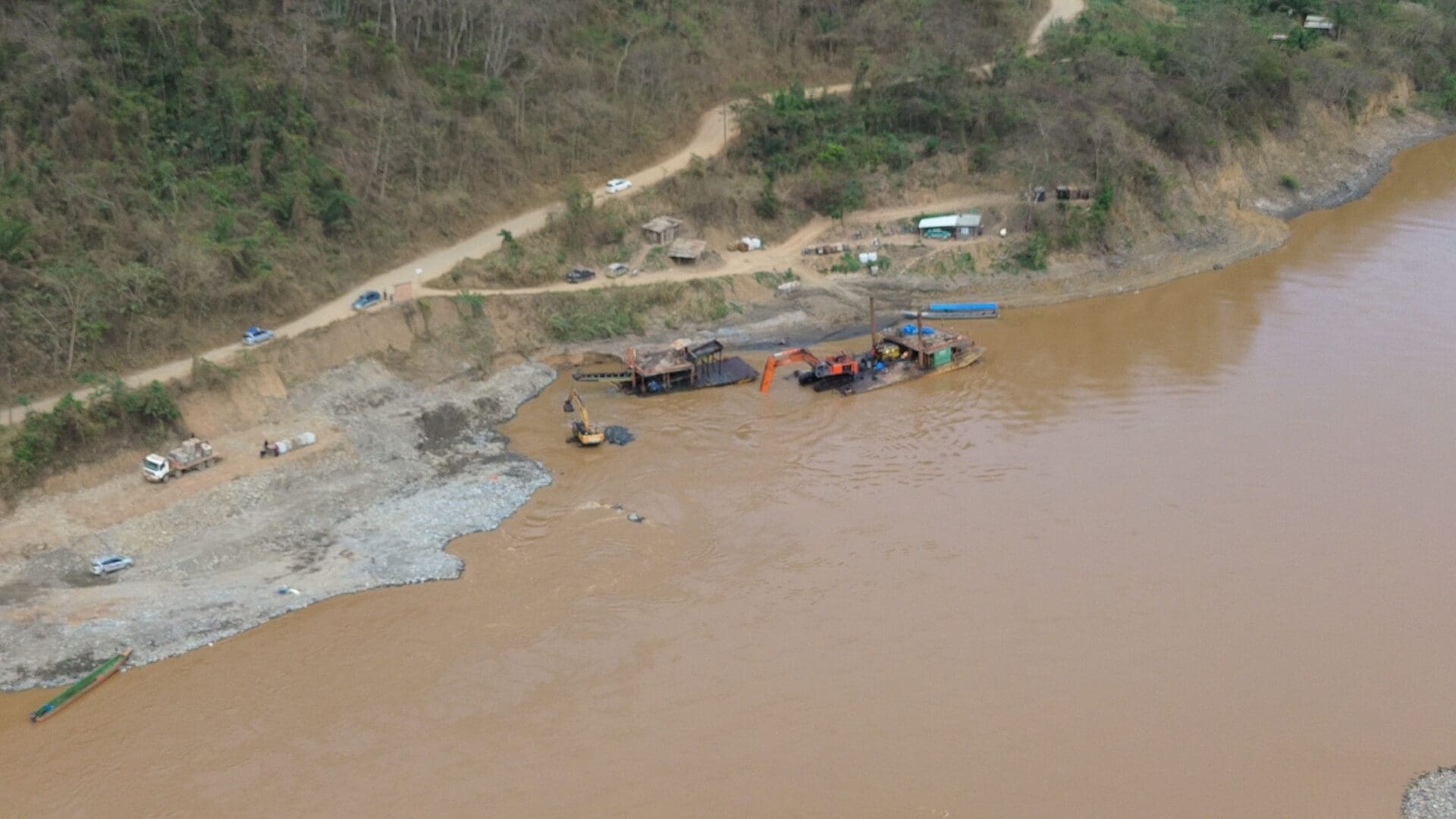
For the Leco indigenous people, the change has been drastic.
“They have mercilessly felled the trees, and beautiful wetlands have also disappeared. We used to run canoe tours along the River Kaka, but now it’s impossible because there are so many rocks and so much earth being dumped by the mining companies,” says Waldo Valer, a Leco indigenous man who used to work on the River Kaka as a tour operator. He used to take foreign visitors to Retama to camp and visit the waterfalls. Today, such visits are few and far between.
In 2010, he says, it was still possible to travel down the right bank of the river. Now he can only navigate the left bank due to the increase in sediment. He emphasises that the width of the Kaka varies between 500 and 700 metres, whereas it used to be around 200 metres.
Eight years ago, he decided to move his business to the town of Rurrenabaque, 300 kilometres to the north in the department of Beni, near Madidi National Park.
Lucas Solara, a local resident who arrived in Tomachi 35 years ago from Irupana in Los Yungas – the ecosystem that marks the transition between the Andes and the Bolivian Amazon – agrees with him.
“There’s quite a difference between what it used to be and what it is now [the River Kaka],” he says, standing on its banks and gazing at the water. “Before, there were beautiful beaches – excellent spots for fishing – but now the whole of the River Kaka is destroyed; there’s nothing but rubble and stones. They are no longer the crystal-clear streams that used to flow down from the melting Andean glaciers.”
Solara explains that it is now common to see fuel residues from heavy machinery floating in the water. He is referring to a form of pollution that is less visible than mercury but equally harmful.
“Obviously, mercury is the most noticeable and the factor that most affects these aquatic ecosystems. But years of mining activity also have an impact through the removal of sand and the spillage of lubricants,” explains Alfredo Zaconeta, a researcher specialising in mining issues at the Centre for Labour and Agrarian Development Studies (CEDLA). This damage, he explains, occurs not only with illegal mining but also with legal mining.
The presence of dredges operated by local cooperatives – which, according to the Leco people, are linked to foreign capital, mainly of Chinese and Colombian origin – has grown out of all proportion. Bolivia’s mining law formally prohibits mining cooperatives from entering into partnership agreements with private national or foreign companies. However, locals explain that these cooperatives operate under arrangements such as lease agreements, risk-sharing arrangements or operating contracts. A similar situation is occurring on other Bolivian Amazonian rivers.
Failed operations
Despite operations by the Administrative Mining Jurisdictional Authority (AJAM) to halt illegal activity and monitor legal mining, the Leco people report that the barges return as soon as the patrols leave.
In 2024, this public agency filed a complaint with the Public Prosecutor’s Office regarding illegal mining on the Kaka River. “Since the criminal complaint was filed, access to the area has proved extremely difficult, even for officials from the Public Prosecutor’s Office and the investigator assigned to the case, despite repeated requests made by the AJAM as part of the criminal proceedings,” the institution told Mongabay Latam.
In September 2025, operations were carried out on various Amazonian rivers and illegal mining was once again found in the Kaka. According to the organisation, they obtained evidence of the existence of camps, heavy machinery, chutes (channels used to transport ore from one place to another) and other equipment in mining areas without legal authorisation.
On that occasion, AJAM officials were attacked by illegal miners and were forced to abandon the operation. The case was referred to the Public Prosecutor’s Office, but there has been no progress in the investigation, according to AJAM.
The most recent operation, carried out in conjunction with the Bolivian Navy, took place in March this year. During that operation, the team reached the community of Mayaya, 30 kilometres downstream from Tomachi. According to the official report, they seized four backhoe loaders and a tipper lorry, dismantled two illegal mining camps and destroyed a hopper used for gold extraction, as well as five drums of diesel fuel. They also obtained CCTV footage, which they handed over to the Public Prosecutor’s Office.
The river’s lament
Evening is falling on the River Kaka. Mongabay Latam confirmed that upstream from Tomachi, the dredges’ engines are still running. On the riverbanks, the wooden boats that were once used for tourism now navigate the murky, silted-up river in a completely unstable state.
“Local residents must still be feeling the impacts of the mining operations in the surrounding area, but it is also highly likely that they are being affected by mining activities further upstream. Pollutants [mercury and lubricants] do not remain in one place, but are carried through various river basins,” explains environmental engineer Ana Lía Gonzales, manager of the Water Vulnerability Project at the Amazonian Network for Geo-referenced Socio-environmental Information (RAISG).
The analysis for this investigation takes a close look at the Kaka itself: the micro-basin that runs through Tomachi — which includes sections of the Kaka and Alto Beni rivers — is the most affected in the entire Beni basin. It has lost almost half of its natural water area, from 1,945 to 992 hectares, and in its place 1,454 hectares of mining pits have appeared between 2000 and 2023.
This transformation follows a clear timeline. “With the MapBiomas platform, we can see how mining has been expanding over time,” explains Eva Mollinedo. Her data show an increase since 1995 and an acceleration in 2001, with the Kaka floodplain forest being replaced by mining pits, the accumulation of sediment and the loss of vegetation along the riverbanks. 2021 was the most critical year.
In Tomachi, mining reached its peak around 2021 and began to decline from that year onwards. This is confirmed by local residents, who have seen less gold mining activity in the area over the past four years. However, they emphasise that the effects persist.
For example, Cartagena recounts that a cooperative used to operate near Tomachi. Although it left three years ago, the beaches are destroyed and the riverbanks remain devoid of vegetation, covered in sand, mud and stones.
“We indigenous people have always been known for living along the riverbanks. We used to fetch water from the river. I remember my childhood: we used to walk along the riverbanks with my parents. Back then, there was only small-scale mining and we lived off fishing,” recalls indigenous leader Roxana Pizza Tupa. As well as living in Tomachi, she is the president of the organisation Pueblo Indígena Leco y Comunidades Originarias de Larecaja (PILCOL).
In her view, mining activity in Tomachi and the surrounding area has declined not because the authorities have taken action, but because most of the gold available in the area has already been extracted. “They’ve already mined everything. Now we want this town to be a tourist destination and also a food-producing centre,” she says, whilst emphasising that they will not allow mining activities to affect the streams from which they still draw their water, lest they suffer the same fate as the Kaka. “We will not allow them to touch our water sources, and that is why we want this town to be designated as a reserve,” she explains.
Pizza Tupa and the community members are gathered in Tomachi’s main square. The square features monuments to the wildlife cherished by the community, such as the woodpecker and the wild boar. There, the villagers study a map showing the meandering course of the River Kaka. They mark with a red marker the areas where mining – both legal and illegal – has destroyed the tributary, and with blue they indicate the places where they used to be able to fish and drink water.
José Cartagena has no doubts. He grabs the red marker and crosses out the entire course of the Kaka. Pizza Tupa is less pessimistic: she marks a few red dots where mining has ravaged the riverbanks and, in blue, highlights the areas of hope – those where they used to be able to fish and where she believes they will soon be able to do so again.
For Óscar Campanini, a sociologist and director of the Bolivian Documentation and Information Centre (CEDIB), the problem is precisely that indigenous communities do not merely consume this water; rather, the rivers are part of their territories, their culture and their livelihoods. “It is not only their right to water, to transport and to food that is being affected, but also their right to life.”
Campanini points out that half a kilogramme of mercury is usually used to extract one kilogramme of gold, but that in Bolivia there have been cases where as much as 18 kilogrammes of mercury have been used to extract one kilogramme of gold. “The mercury is dumped into the river or even buried on the beaches. It can also condense after it has evaporated and thus sink to the riverbed, as it is a heavy metal,” he says.
Furthermore, the director of CEDIB explains that, in addition to this, improper mining practices can cause landslides in urban areas and indigenous communities.
Despite the determination of the Leco people, Pizza Tupa says that climate change is compounding the area’s problems, as they have noticed a decrease in the water levels of their streams. “Tomachi is a blessing from God, but the heat has increased and that is affecting our springs. I ask that they do not set fires; that also causes us a great deal of harm,” she says.
The Kaka was a source of life for the Leco people
In Tomachi, the white-throated woodpecker (Piculus leucolaemus) is one of the most notable wildlife species. This bird is found in the shaded coffee plantations of the area and is recognised by its white throat and green back. Furthermore, this forest is a vital ecological corridor for large endangered mammals such as the jaguar (Panthera onca) and the jucumari or spectacled bear (Tremarctos ornatus).
“Gold mining exacerbates or intensifies sediment load. Mining carried out along riverbanks is what causes the highest sediment load,” says Óscar Campanini.
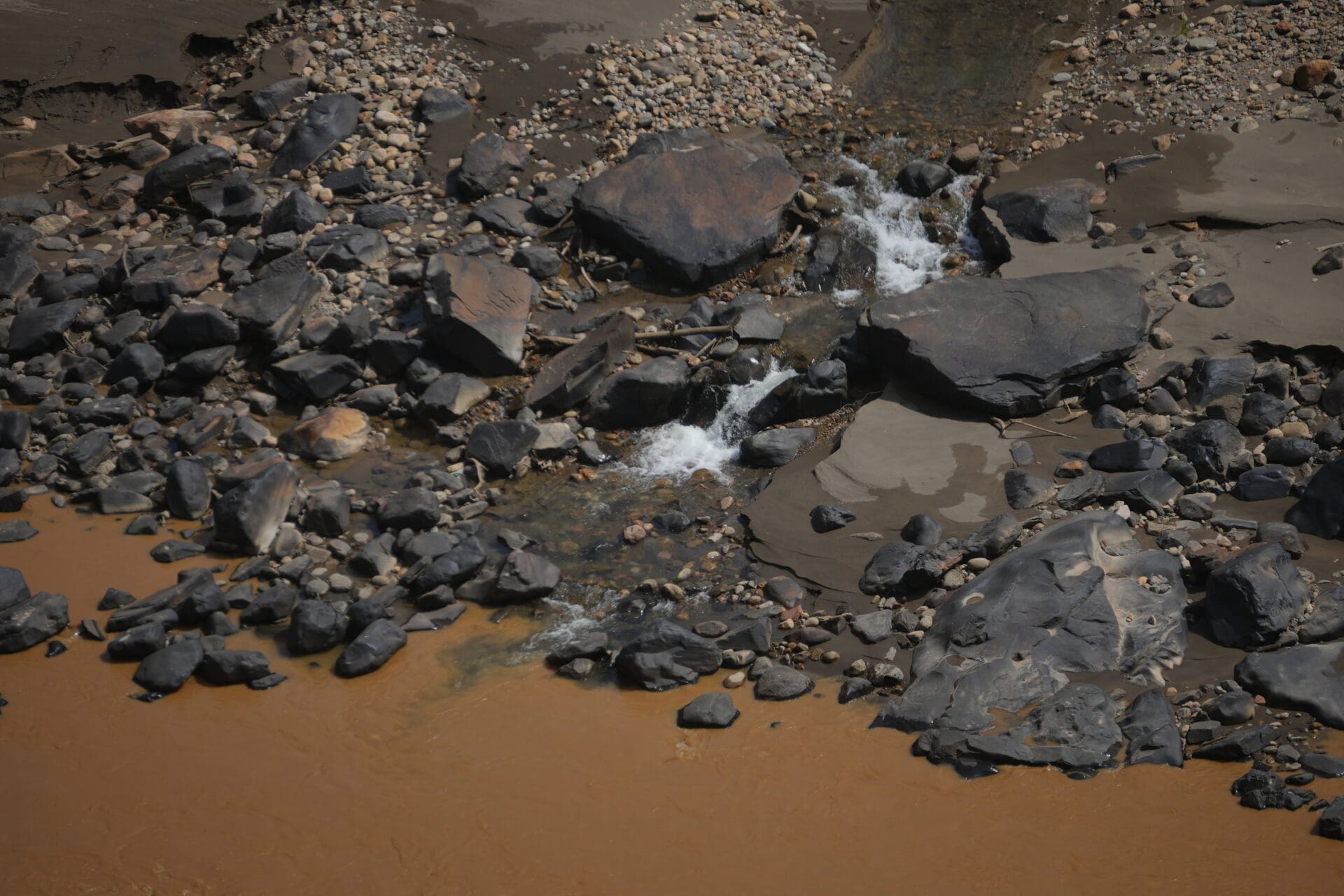
This is something that scientists have been studying for years. A study published by a group of US scientists in 2023 – including Luis Fernández, director of Peru’s Centre for Amazonian Scientific Innovation (CINCIA) – compiled and analysed nearly four decades of satellite data on almost 400 riverine mining districts across 49 countries, highlighting the effects of sedimentation. The consequences include habitat degradation, impacts on plankton and fish – particularly larvae and juveniles – increased mortality of aquatic life, and the transport of mercury downstream. The study found that the effects can extend hundreds of kilometres beyond the extraction zones.
“An affected river is not just an environmental liability; it represents a territorial vulnerability and, with it, a problem for the state itself and its institutions,” says Jaime Cuéllar, a lawyer specialising in legal and illegal mining. Alluvial mining, he explains, can cause physical changes to the river channel, banks, alluvial terraces and sedimentary deposits.
For this reason, the problem goes beyond a conflict between mining activity, the environment and indigenous peoples, communities or local authorities. “It must be addressed as a matter of national security, water security and public health, because the expansion of extractive activities will jeopardise the resources on which rural communities, indigenous populations and urban centres depend,” he says.
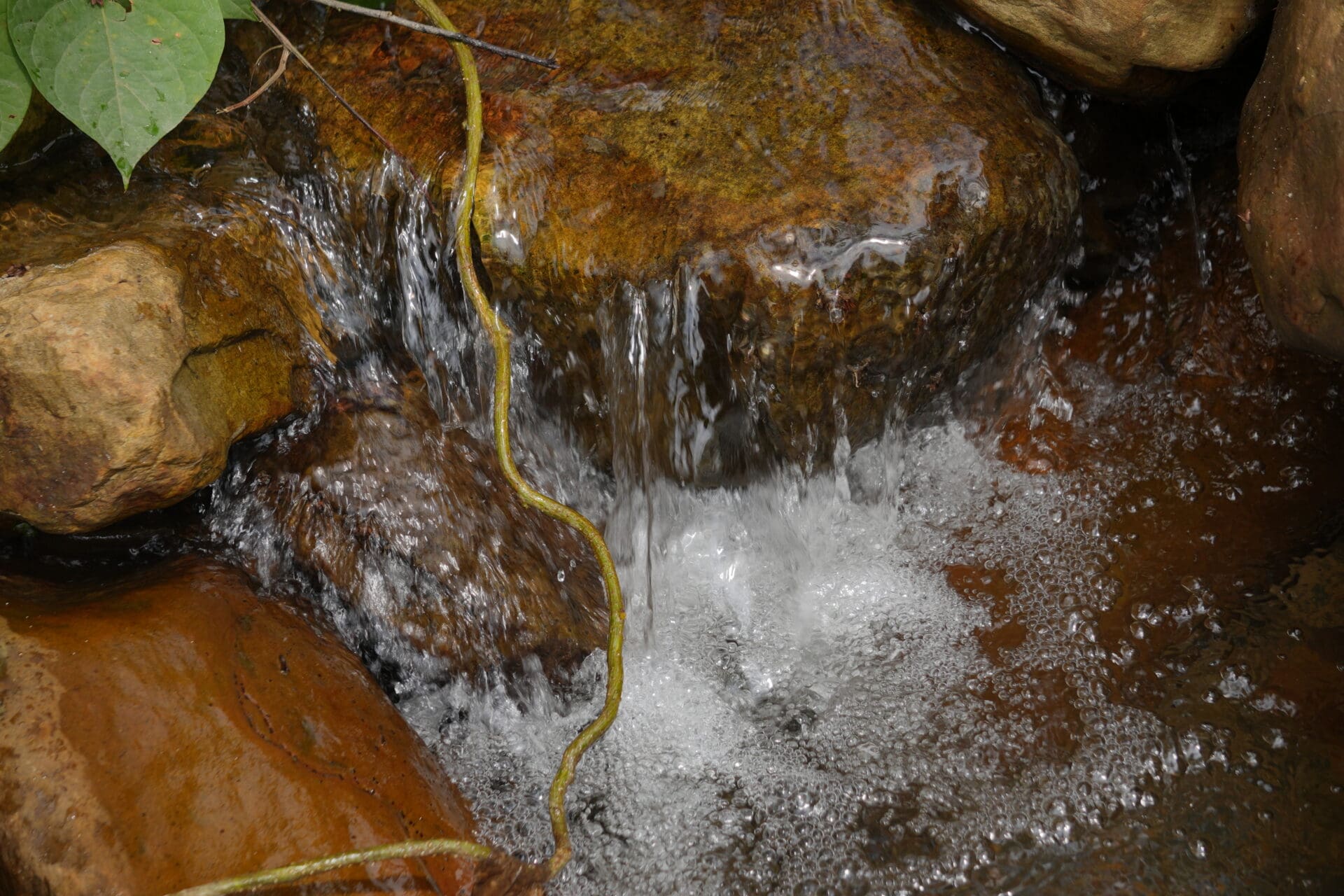
Today, there is little mining activity to be seen around the River Kaka, but the damage has already been done. Andy Limaco, deputy mayor of the Leco indigenous district in the municipality of Teoponte, states that “the Kaka is one of the Amazon’s most critically polluted rivers. My generation was no longer able to fish in clear waters.” However, he says that in Tomachi people are becoming more aware and are now committed to protecting the water. The main aim is to declare their streams as municipal nature reserves in order to protect them from extractive activities such as mining.
For Limaco, the aim is clear: to prevent the streams from ending up like the Kaka, whilst hoping that the river – now that mining seems to have left it in peace – will have the resilience to recover after decades of pollution.

This project is the result of a collaboration between Latin American journalists and scientists, spearheaded by the Serrapilheira Institute in Brazil and the Latin American Centre for Investigative Journalism (CLIP), to explore the Atlantic–Amazon–Andes water cycle and the disruptions to the environmental services it provides to the continent.


