

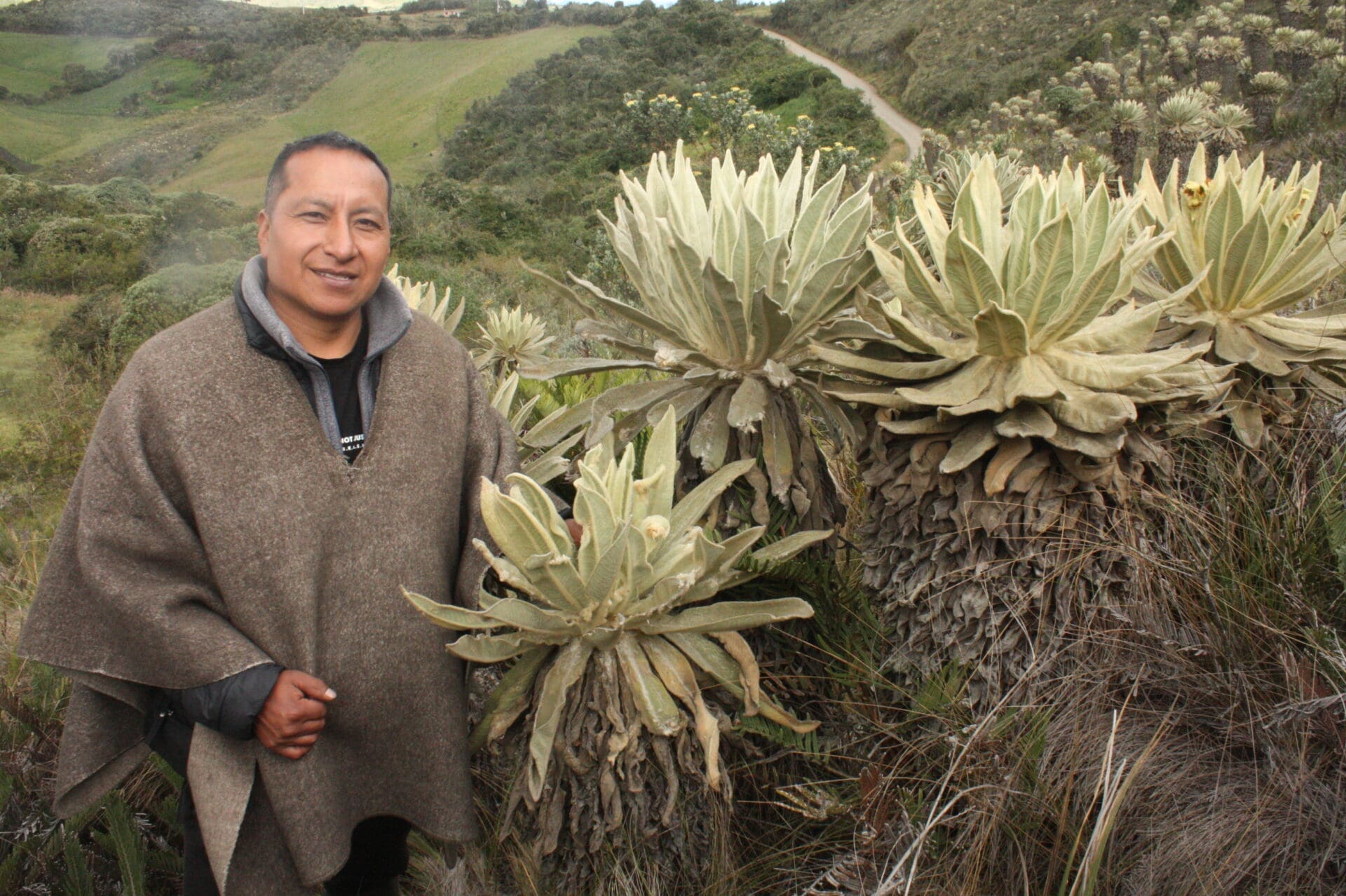
In Colombia’s Cumbal páramo, a carbon project promised to pay dozens of Indigenous people and small farmers for their conservation work. They have yet to see a cent from the sale of carbon credits, but they continue their invaluable work protecting these Andean ecosystems, which millions of Colombians depend on for water and which also feed, in part, into the Amazon basin. These are their stories.
Andrés Bermúdez Liévano (CLIP)
Cumbal, a páramo in Colombia’s southwestern corner, supplies vast amounts of water, but it has increasingly been squeezed by activities that transform the land and undermine its ability to provide this environmental service. These are the two sides of the coin for the Andes’ high-mountain ecosystems, which form part of a continental water cycle flowing back and forth between the Atlantic Ocean, the Amazon rainforest and the Andes.
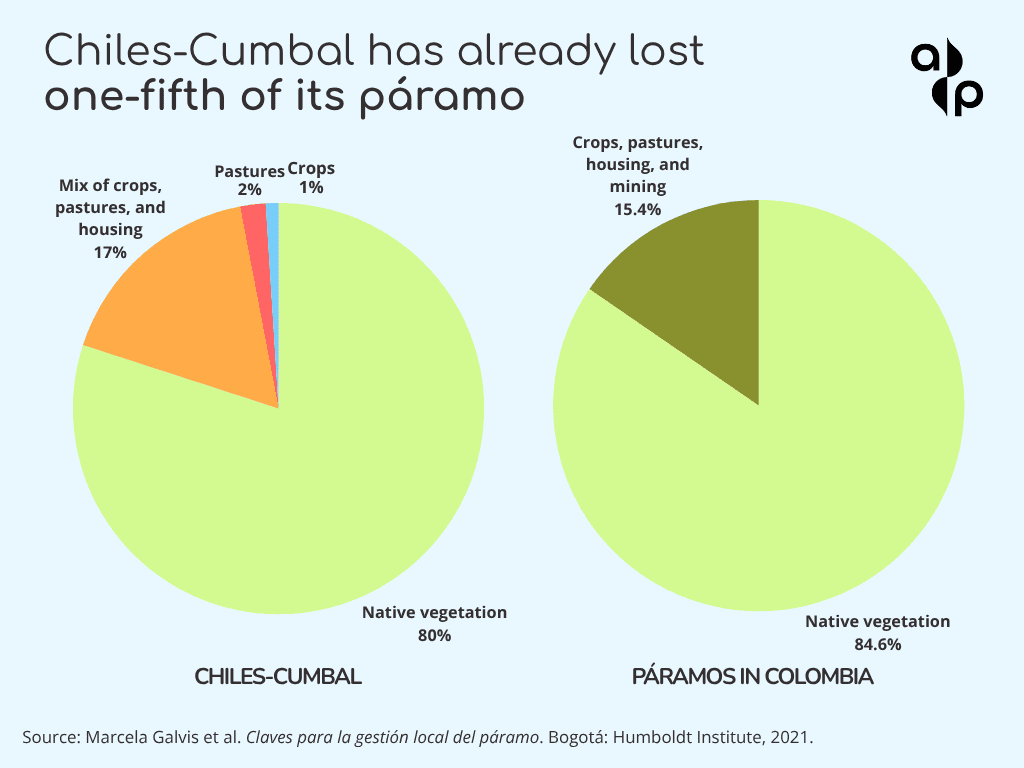
In this corner of Nariño department, one-fifth of the páramo vegetation has already been swallowed up by a green-and-yellow patchwork of small family farms devoted to dairy farming and potato cultivation. It is a common trend across Colombia, where páramos—which supply water to one-third of the population—have lost an average of 15.4% of their vegetation to grazing, short-cycle crops, coal mining and urban expansion. In Guerrero and the Cundiboyacense Plateau, both in central Colombia, more than half of the páramo has disappeared. Only a handful remain almost intact. Across the border in Ecuador, the El Ángel páramo, which adjoins Chiles Cumbal, faces a similar paradox: cattle ranching and agriculture eat away at its edges year after year, yet it is also home to a national park with scenery so spectacular that Ecuador nominated it for World Heritage status this year.
Some 300,000 people depend on water from the Chiles Cumbal páramo complex. Much of that water arrives from the Amazon as rainfall before flowing in rivers toward the Pacific Ocean.
Ipiales, Colombia’s highest city, draws its water from a river that rises in the páramo. Yet the city’s authorities have failed to invest in protecting it. Because of waste discharged upstream in Cumbal and years of delays in building a new treatment plant, the city’s drinking water is poor in quality and its supply intermittent. From time to time, residents of Ipiales take to the streets and block roads in protest. Tumaco, Colombia’s second-largest port on the Pacific Ocean and a city with some of the country’s highest rates of poverty and violence, draws its water from a river whose headwaters lie largely in these páramos. Cumbal itself, whose four Pasto Indigenous reserves have a combined population of 32,000, also depends on this water.
Amid all these problems, a small group of people work tirelessly to protect this chain of páramos and keep its water supply flowing. Here are their stories.
In Chiles Cumbal, Indigenous people work voluntarily to protect the páramo. They receive no support from the cabildo, their community’s Indigenous governing council. They occasionally benefit from programs run by government agencies—such as the Humboldt Institute’s current Páramos for Life initiative—or by environmental NGOs. A carbon-market project encompassing Cumbal promised in 2022 to provide funding for them to conserve the páramo and cloud forest, but it was set up without most of them even knowing about it (see the story “The Páramo That Is Paid for Its Water Services but Never Sees the Money”). To this day, none of them has received a cent from those carbon credits.
This is a collection—perhaps incomplete, but nonetheless revealing—of nine people who have taken on the mission of safeguarding the páramo and its water. It is part of the Divided Waters investigation, coordinated by the Latin American Center for Investigative Journalism (CLIP) in partnership with Brazil’s Serrapilheira Institute and eight media outlets across the region.
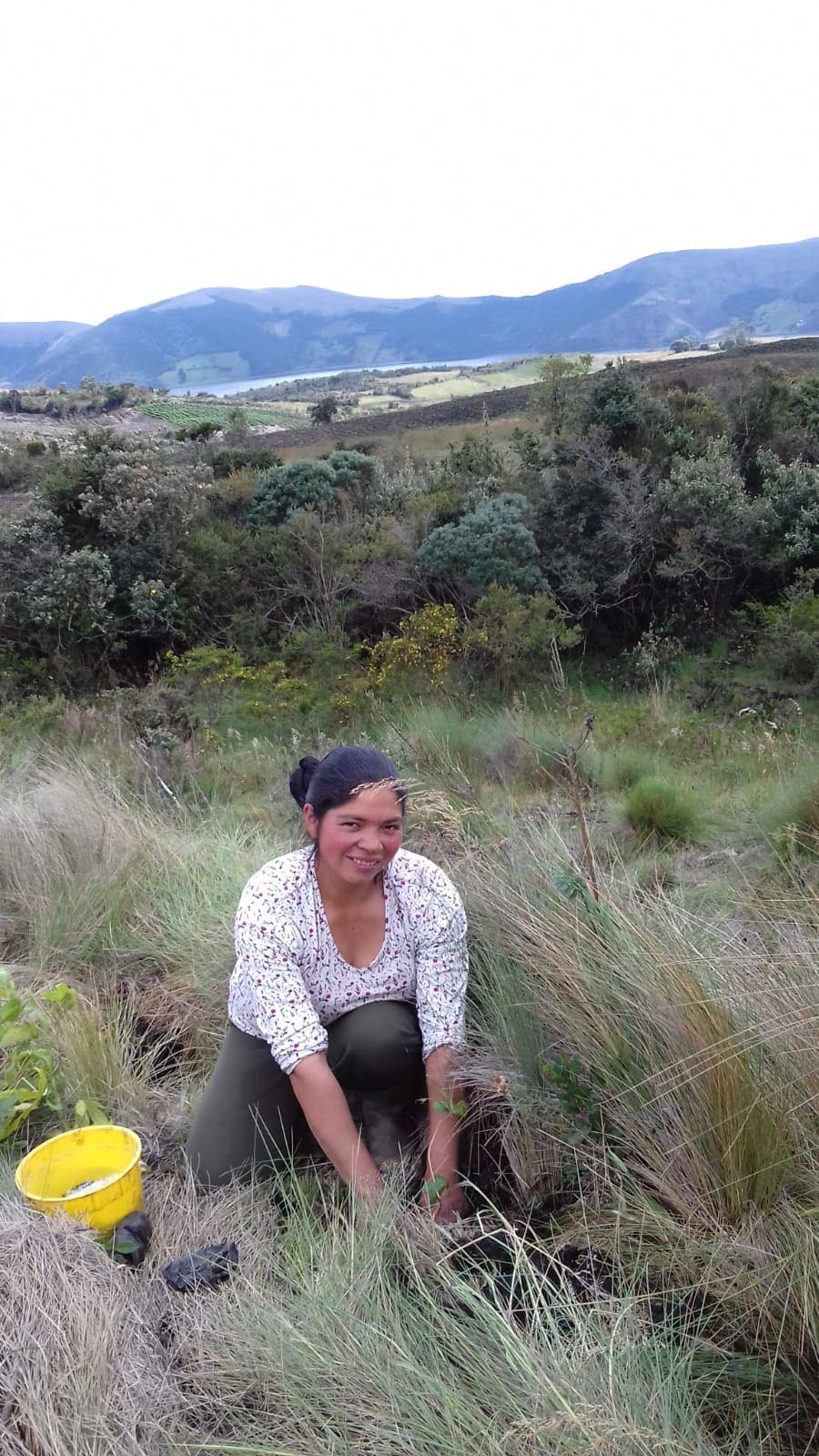
The Propagator of Hard-to-Grow Seeds

“The snow-capped volcano has nature, it has sulfur, it has ice, and it’s beautiful. There are clouds, and from up there you can see some lagoons and little homes made up of frailejones and small trees,” Liliana Alpala said in the short documentary Los niños del hielo (Children of the Ice), in which she appeared three decades ago. Back then, her family collected ice and sulfur from the smoking crater of the Cumbal volcano to sell. Today, she devotes herself to caring for those “little homes” and “small trees.”
Since founding the Monos Dorados del Sol nursery thirteen years ago, Alpala has become known as one of Colombia’s most skilled propagators of native plants. That expertise led her to co-author the scientific book Viveros de páramo (Páramo Nurseries), published in 2021 by the Humboldt Institute, the government institution responsible for biodiversity research in Colombia. Her nursery is no longer operating, but she is building a new one a kilometer from the original site, where she hopes to once again raise 12,000 seedlings.
Liliana, now 37, is most passionate about propagating the most difficult seeds, using techniques she has learned in workshops over the years. Some she soaks in coconut water—such as chilco, with its tiny, bell-shaped white flowers—while others she brings to the boil to loosen the seed coat, as with acacia, a tree widely used for firewood. Using these techniques, she has managed to cut the propagation time of difficult species such as capote, or Polylepis, from six months to just one.
For ibilán, a violet-flowered shrub used as a natural dye whose seeds are as tiny as they are tough, she first files the seeds and then sands them. Pichanga, a shrub in the same family as sietecueros that is particularly attractive to hummingbirds, spends two weeks soaking in rainwater in her refrigerator. The species she dreams most of propagating—and which has so far eluded her—is a tree with elongated leaves and tiny orange flowers known as chita or quishuar. “I’m going to figure that one out. I already know where there are some,” she says. “Once you start propagating plants, you look at trees differently. You start watching for when they flower, when the seeds appear on the trees.”
Alongside this venture, which she describes as “commercial,” Alpala has what she calls a “community” initiative: Saberes de los Machines, a collective and community library she founded with her neighbors to work on environmental issues. Then there is what she calls her “personal” project: a five-hectare family plot in the páramo that she has been gradually restoring. She has done so with funding from several government programs and environmental NGOs, without receiving a cent from the carbon project operating in her territory.
All these efforts fall under what scientists call community-based, or participatory, ecological restoration, an approach that seeks to restore an ecosystem’s biodiversity, functions and balance in partnership with the people who live there.
“It is essential that these local initiatives have a say in decisions about what to restore, where to restore it and how, because their knowledge of the territory comes from their everyday relationship with the mountains,” says tropical ecologist Diana Isabel Jiménez, who is writing her doctoral dissertation at the University of Marburg on this and 19 similar community-led initiatives across five Colombian departments.
These communities are crucial, she explains, because they understand the dynamics of the landscape, know which species are appropriate for each area and can identify strategic locations for protecting water sources. “But they also value these places from a cultural perspective, because they are part of their history in the territory, their ancestors and even their origins,” adds Jiménez, who has spent more than a decade working in the transition zone between páramos and cloud forests.
Although eight-year-old Liliana Alpala spoke in Los niños del hielo about an occupation that has since disappeared—and later devoted herself to work focused more directly on the environment—her closing words in that documentary now seem prophetic: “If Cumbal were to disappear, we would be left with nothing.”


The Frailejón Disease Detective

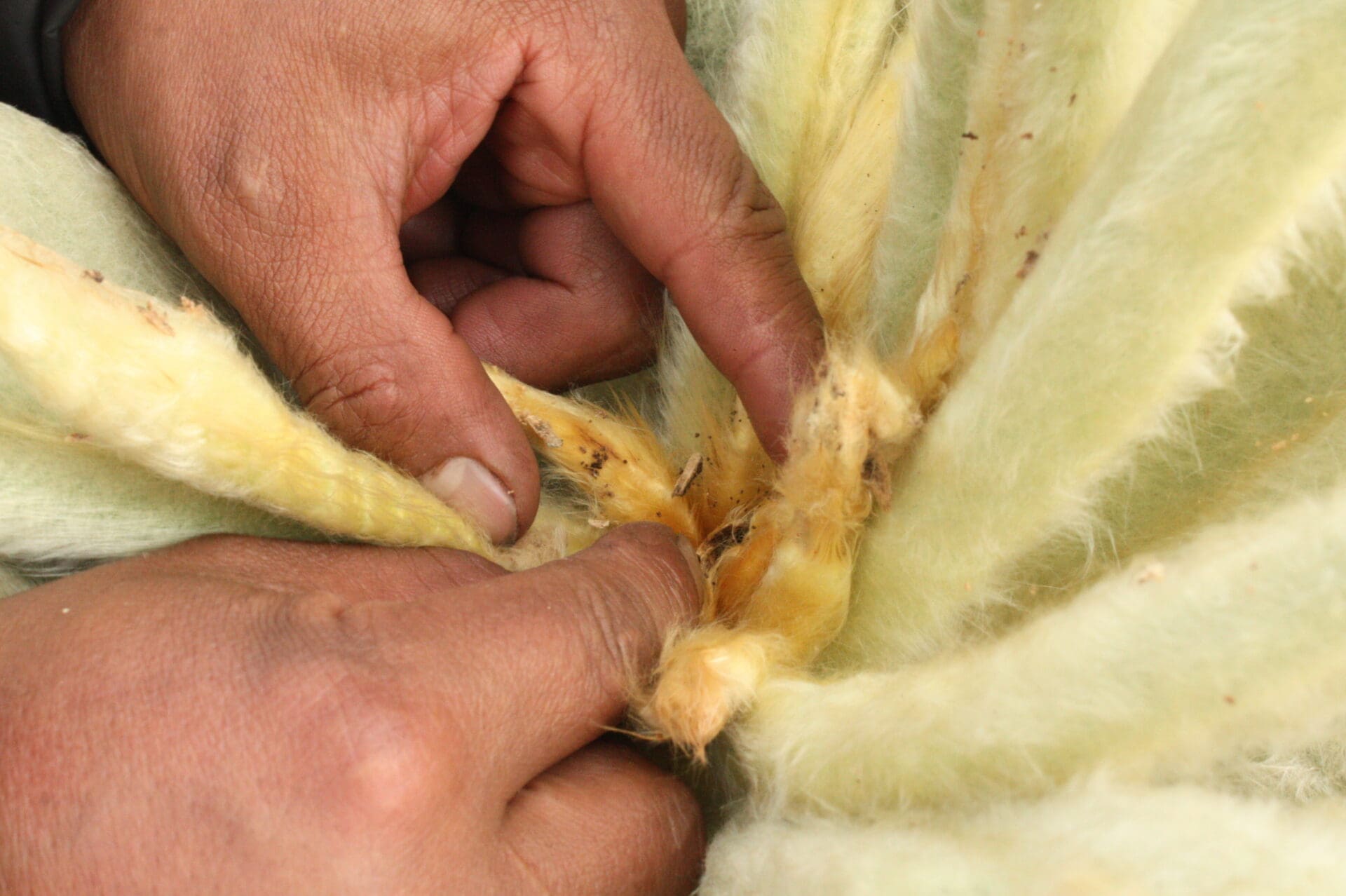
One of the frailejón’s best-kept secrets lies in its leaves. These towering plants—whose name comes from their resemblance to friars standing in the mist—have leaves arranged in rosettes and covered in fine hairs. This helps them capture water from the fog and channel it into the páramo soil. And it is precisely these leaves that are under attack from their nemesis: the larva of a plume moth only recently described by science, which feeds on the tender tissues of new leaves. The moth, Oidaematophorus espeletiae, was formally described as a new species in 2014, and scientific studies describe its larvae as damaging the meristematic leaves of frailejones.
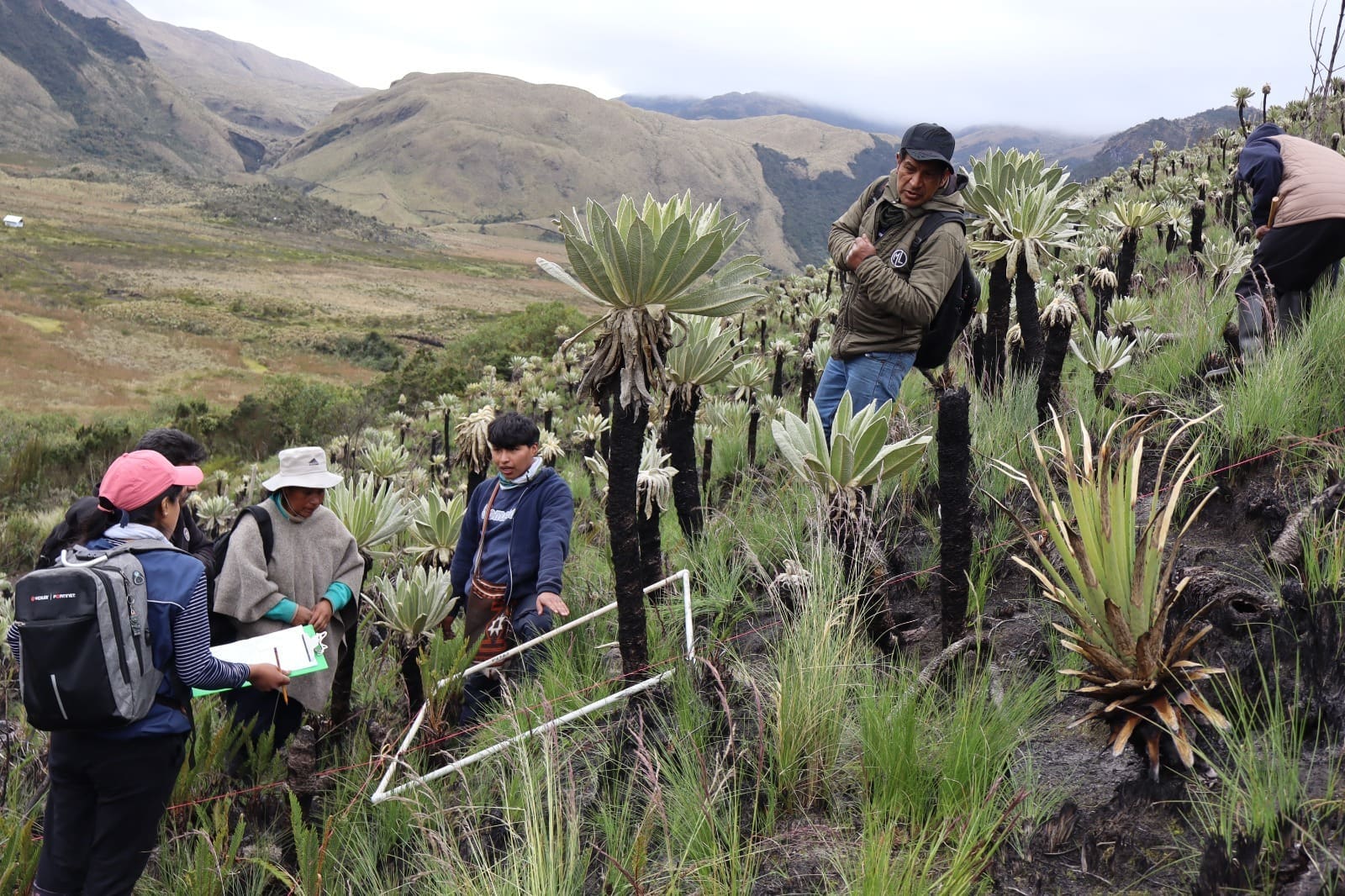
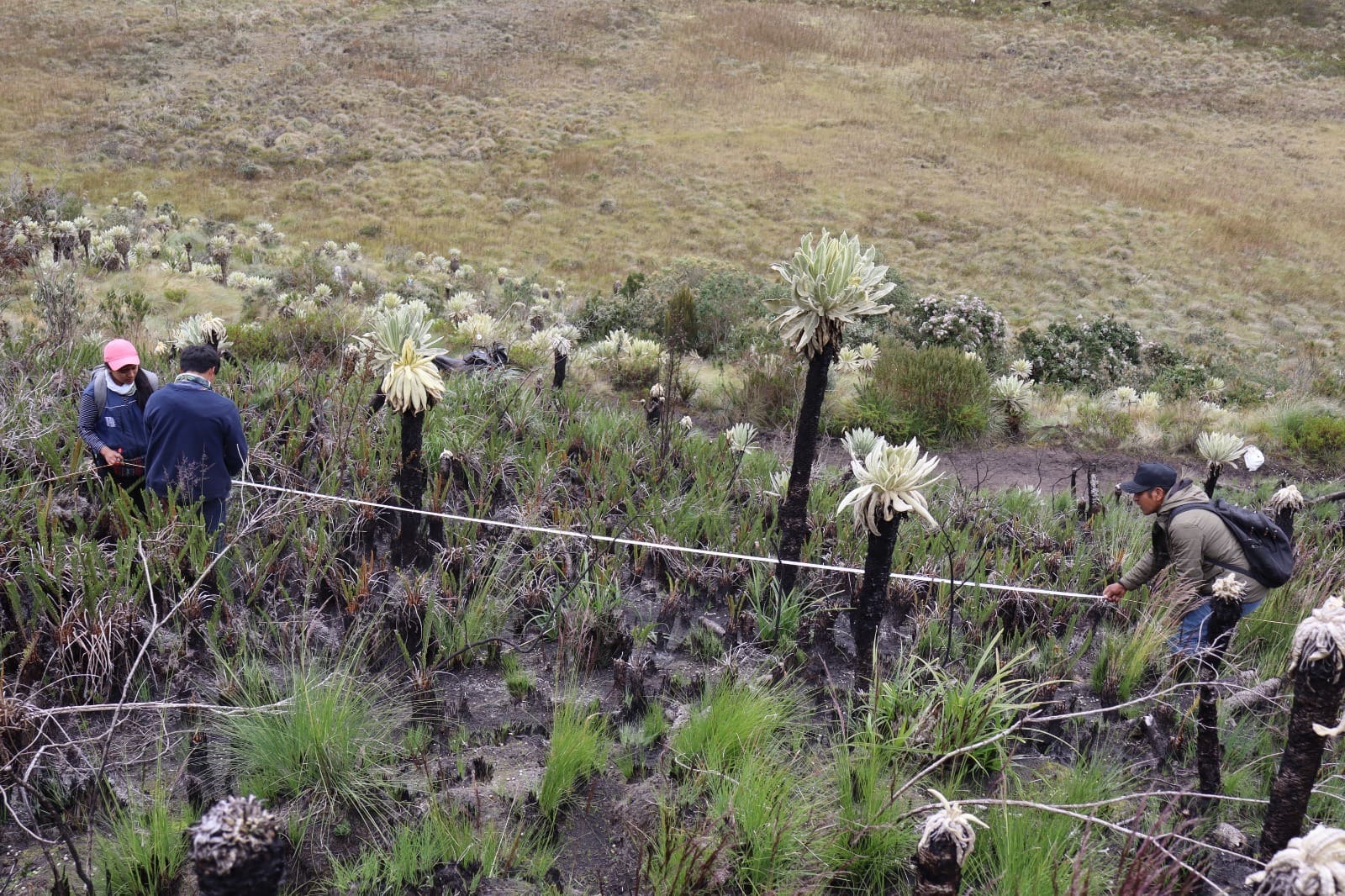
For the past two years, Andrés Chalparizan has been studying this disease, first detected in the Chingaza páramo in 2009 and which appears to have spread to other páramos around the country. He began as part of a project run by Corponariño, the department’s environmental authority, at Lake Azufral, a nearby páramo that also forms part of the Chiles Cumbal complex. There, every three months, he would visit a group of 70 frailejones, measuring the growth of their rosettes, counting their leaves and flowers, checking whether they were producing seeds and looking for any signs of necrosis.
Through this work, Chalparizan came to understand how the plume moth, a species first described in 2014 by biologists from Jorge Tadeo Lozano University, lays its eggs inside the frailejón. Its ochre-colored larvae then find themselves at a veritable feast, leaving blackened spots and twisted leaves in their wake. That is where the trouble begins: by eating the meristems—the frailejón’s young growing tissues—they interfere with its growth, which proceeds outward from the center of the rosette. They also cause the yellow flowers that rise above the plant like periscopes to produce nonviable seeds.
Although the source of the damage and its symptoms have been identified, why it is spreading remains a mystery. One hypothesis is climate change: warmer conditions may have facilitated the moth’s reproduction, while climate change is increasingly creating conditions in which new diseases, pests and invasive species can emerge and disrupt ecosystems.
Chalparizan, a 43-year-old nursery technician, grew more concerned when he detected the disease in the páramo near his home. Part of the reason is his lifelong fascination with this emblematic plant, which appears on Colombia’s 100-peso coin and grows on either side of his front door. “Once you know how they capture water from the fog and gradually release it, how could you not want to learn how to propagate them?” he says. He has been trying to do just that in his backyard, while nurturing a dream of creating a nursery devoted entirely to frailejones. He has already made a start, but has been unable to pursue the idea fully because he still does not know whether it would be financially sustainable. “Who would buy them from me? How do I care for them when they take two years before they can be transplanted? With so many of these environmental initiatives, we run up against an economic barrier,” says Chalparizan, who has become something of an all-purpose hand—firefighter, nursery worker, restoration practitioner—in efforts to protect the páramo. He has received nothing from the carbon project.
In the meantime, he dreams of compiling all the data from his monitoring of the moth into a single document so that it can be compared with data from other páramos—and of finding a way to treat affected plants without resorting to insecticides.
The Photographer of Páramo Wildlife
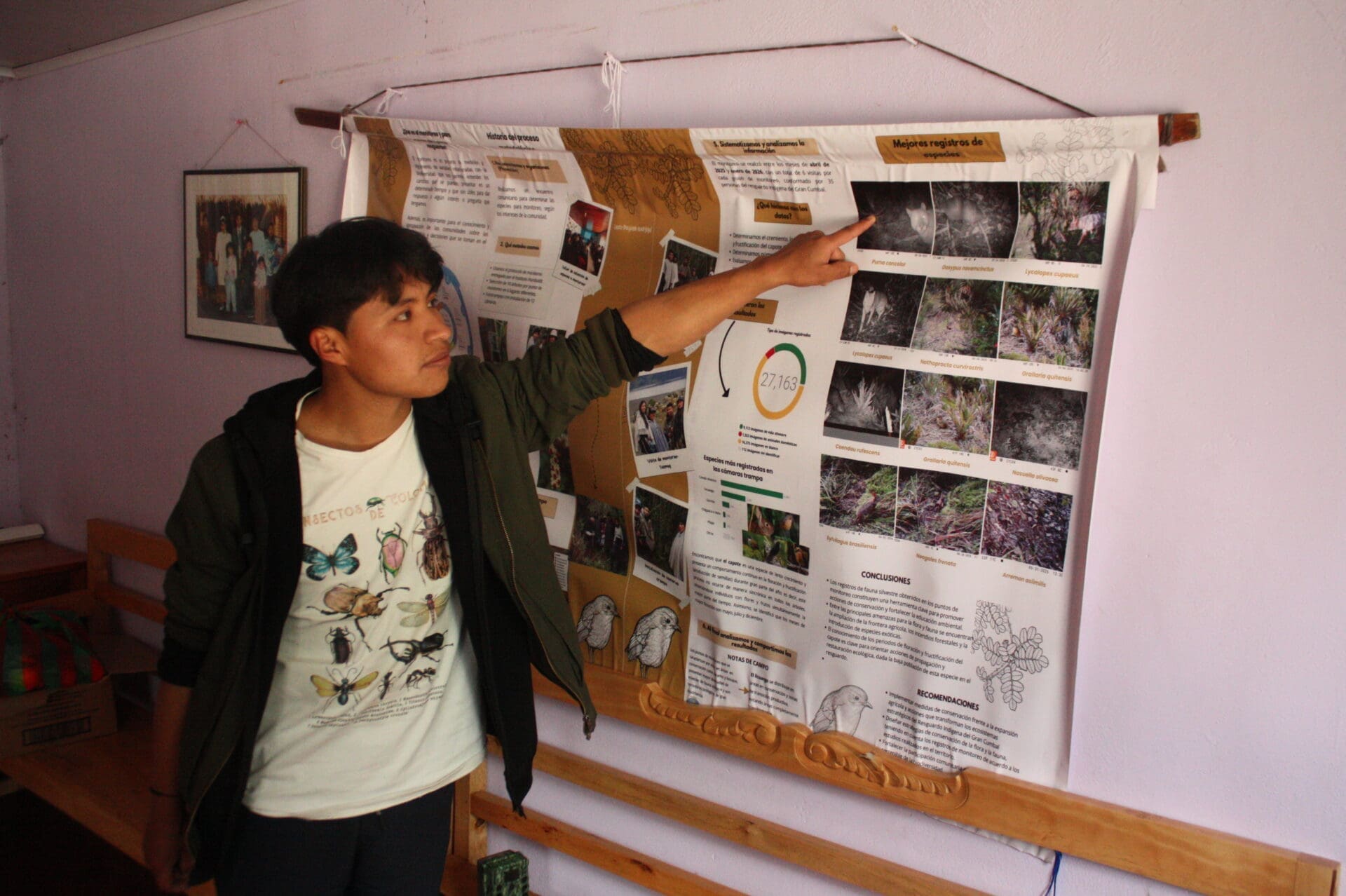
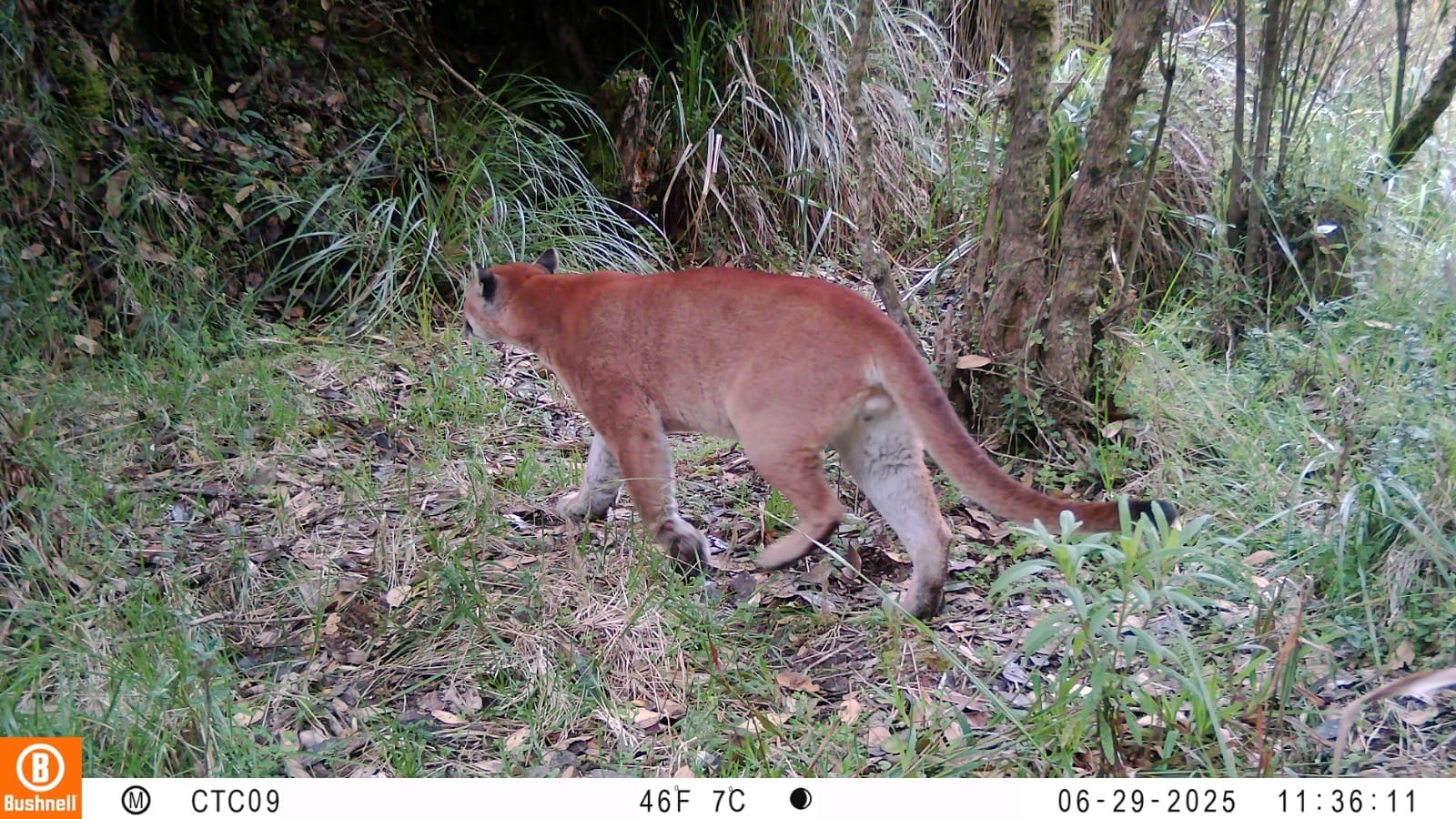
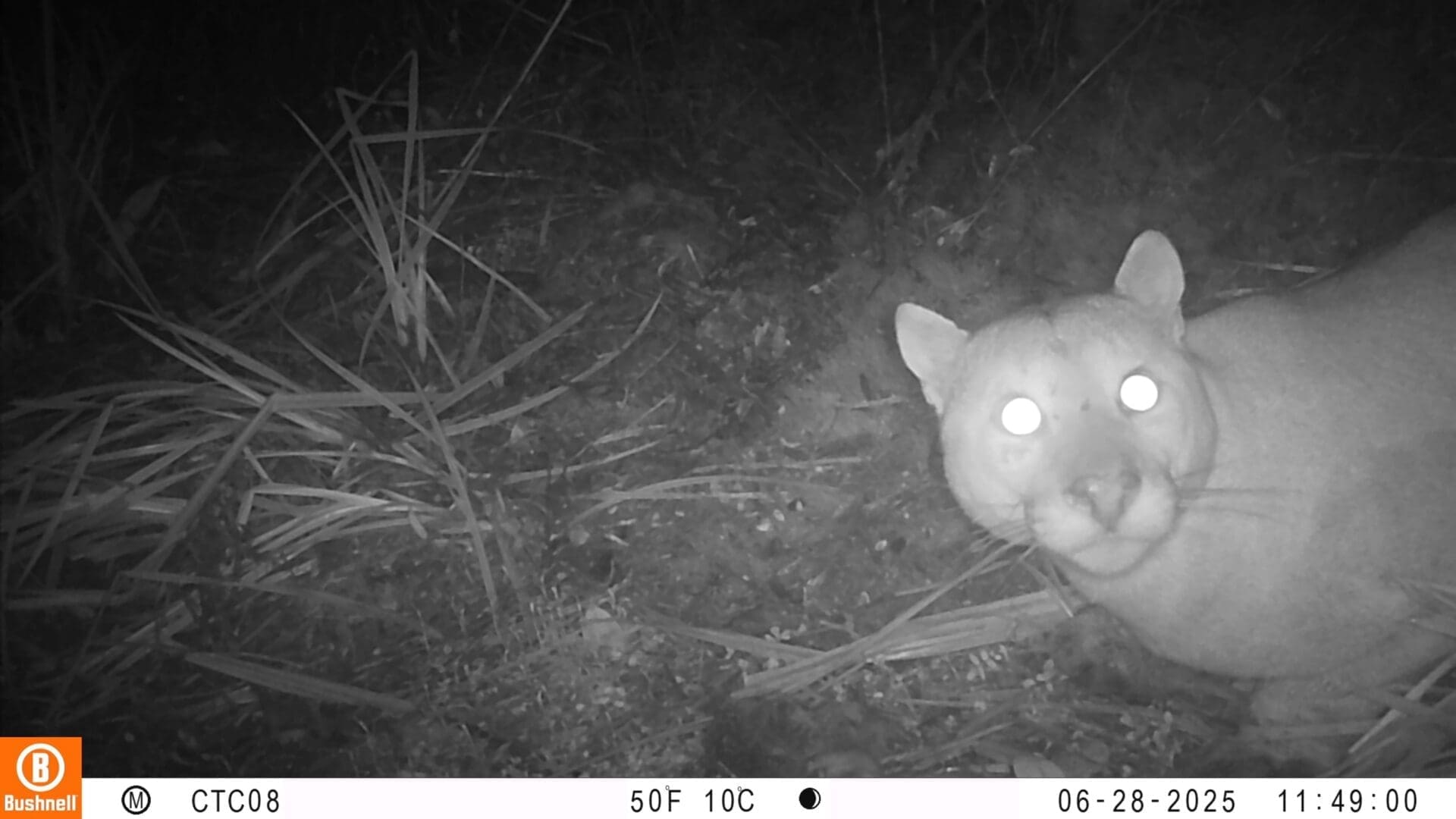
Until June 28, 2025, no one in Cumbal knew there was a puma living in their Indigenous territory—an especially elusive animal. They found out when what may have been a female stopped at midnight and stared directly into a camera trap that Armando Aza had installed in the páramo. The following morning, another puma—possibly the male—walked past it with its back to the camera.
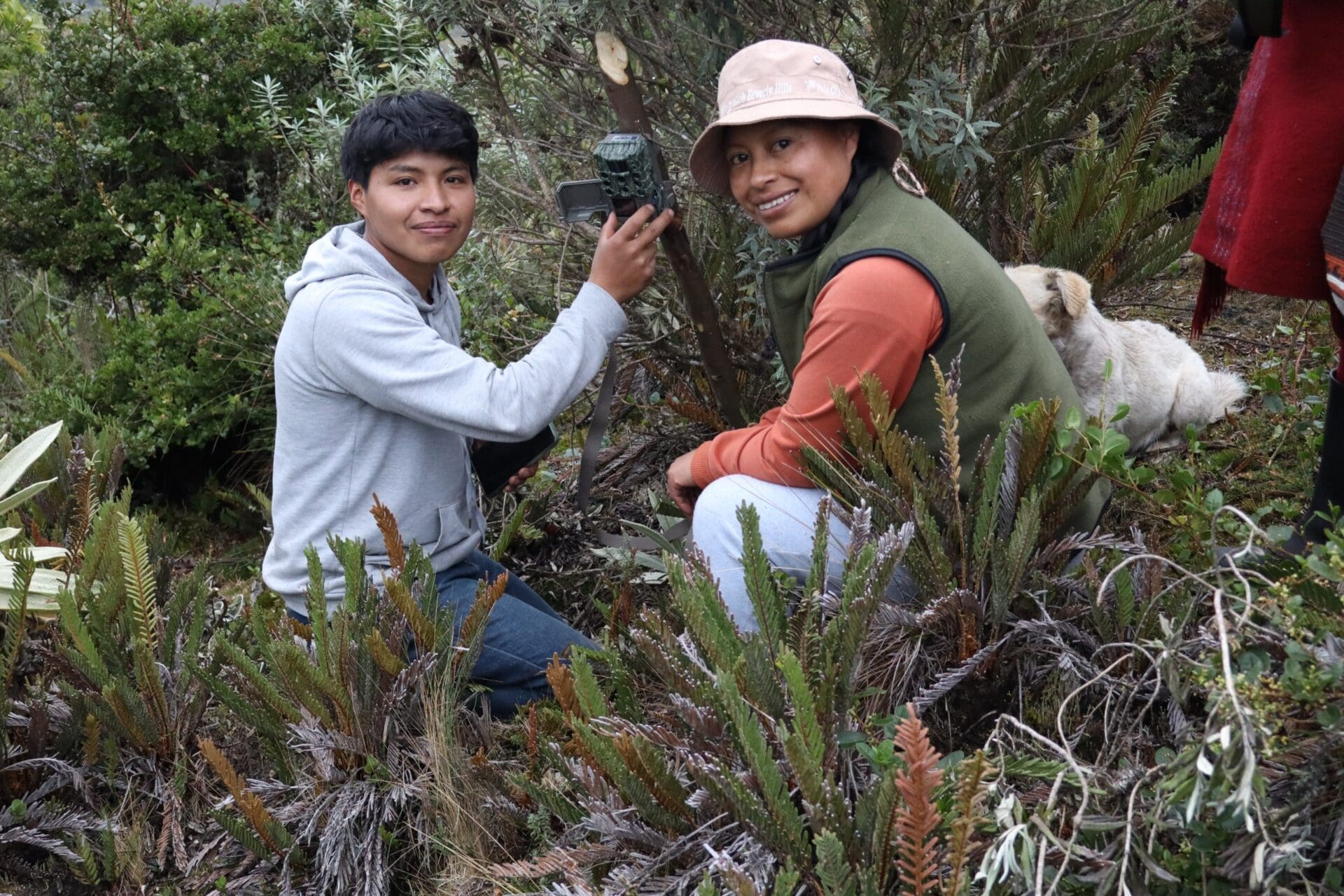
The puma featured in some of the elders’ stories, but when Aza’s colleagues at the Casa de la Memoria painted one in a mural, people made fun of them. “When have you ever seen one?” they were told. It was the participatory wildlife monitoring led by Aza, a 28-year-old agricultural engineer, that finally proved the animal was there.
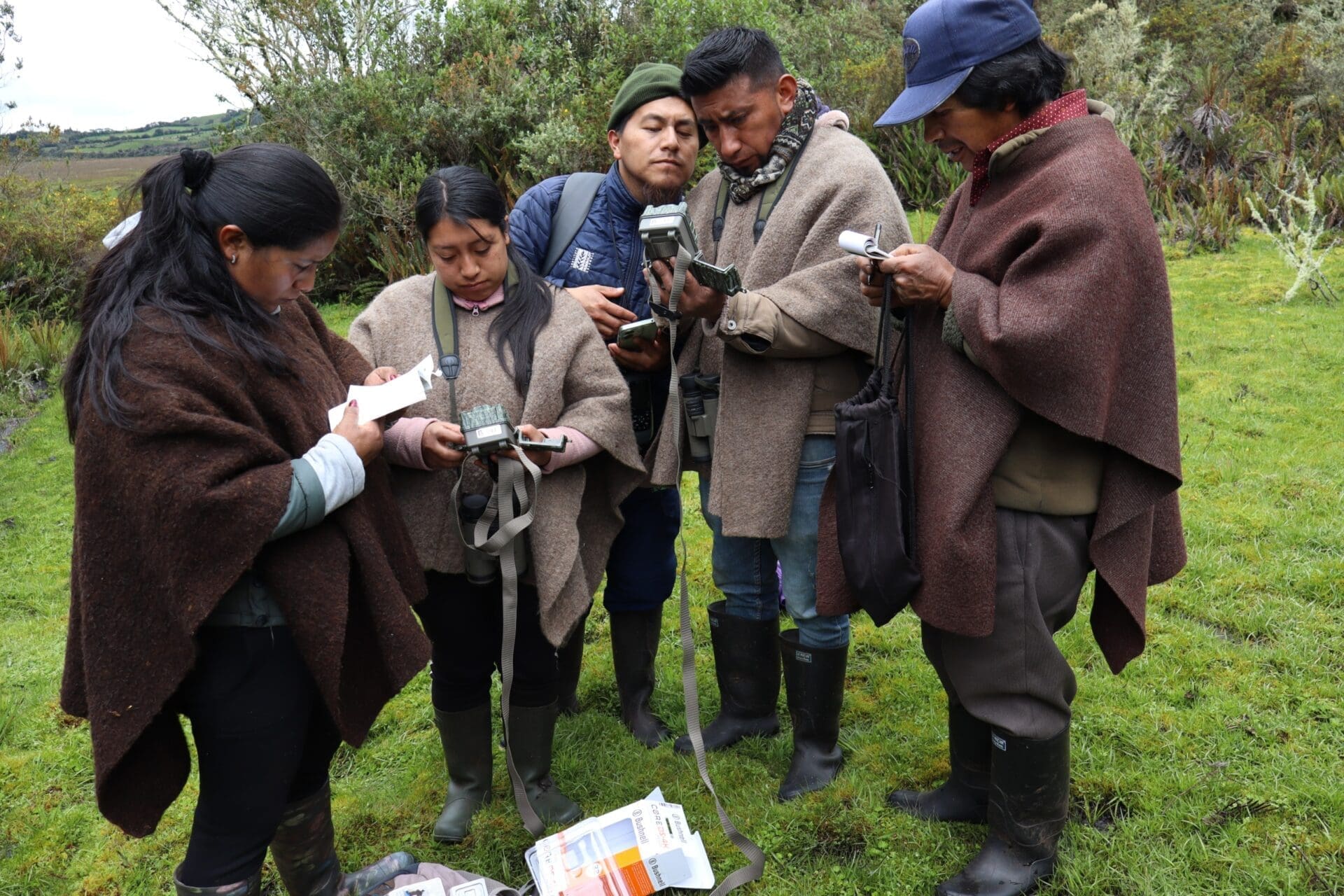
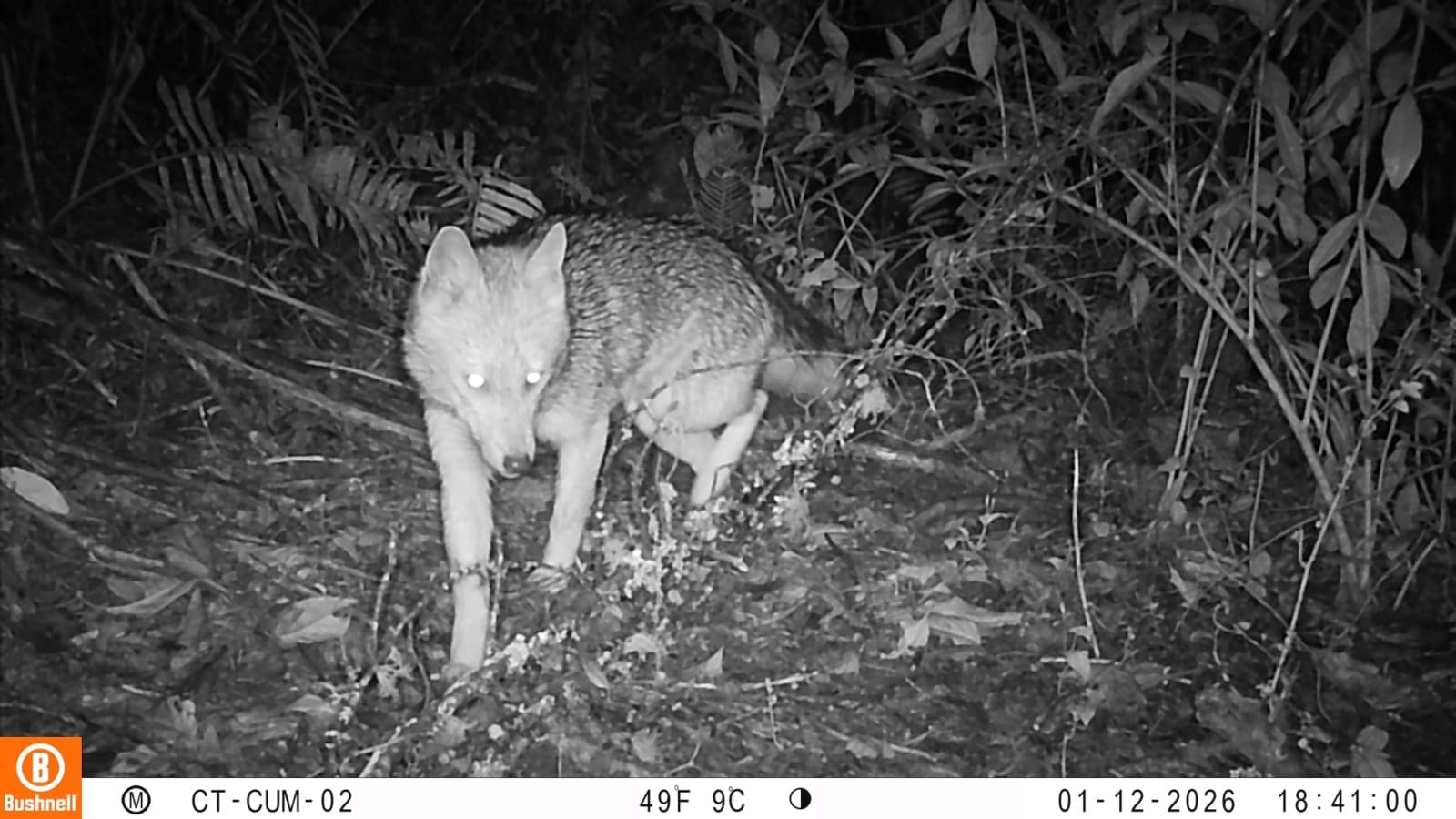
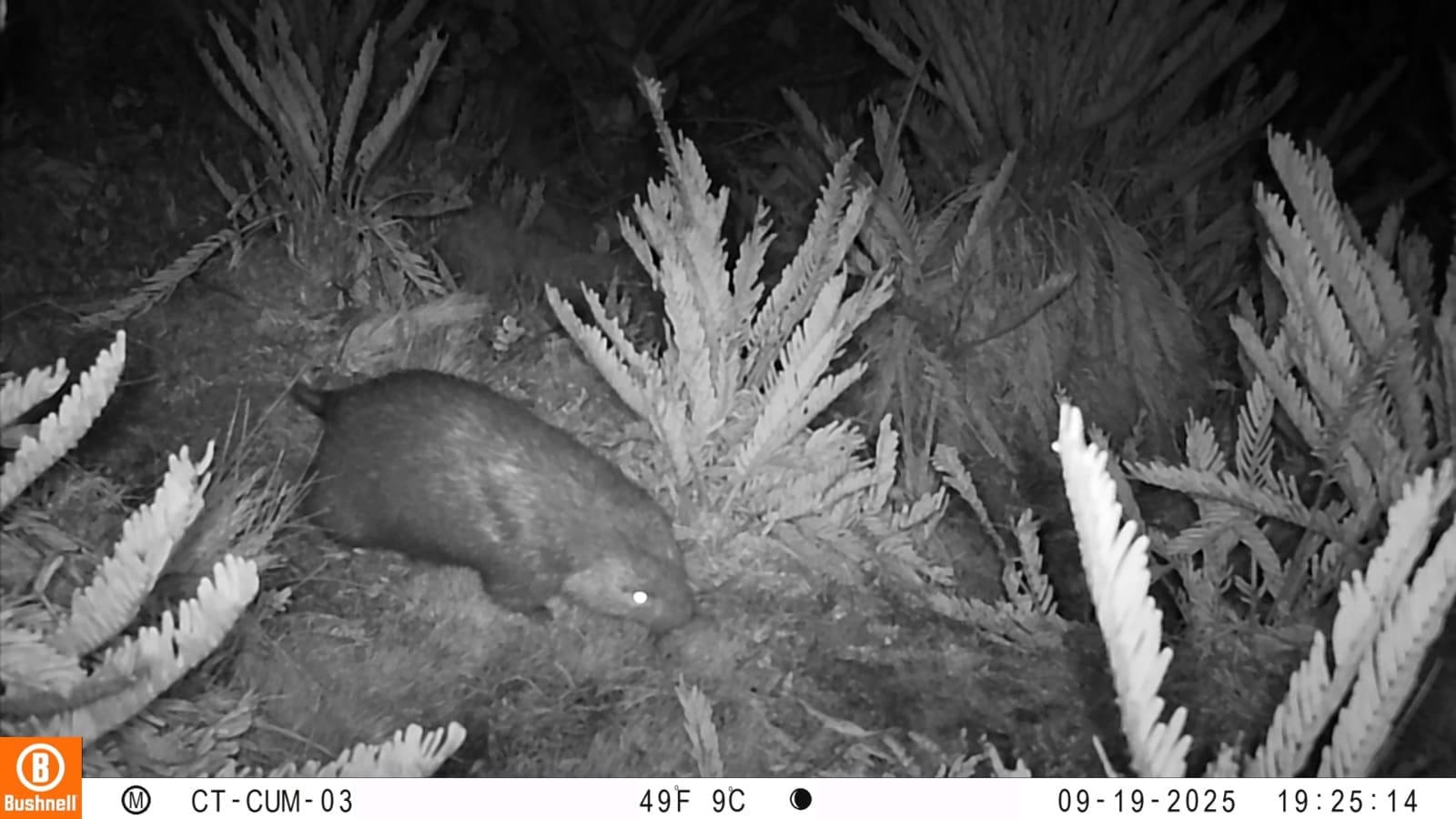
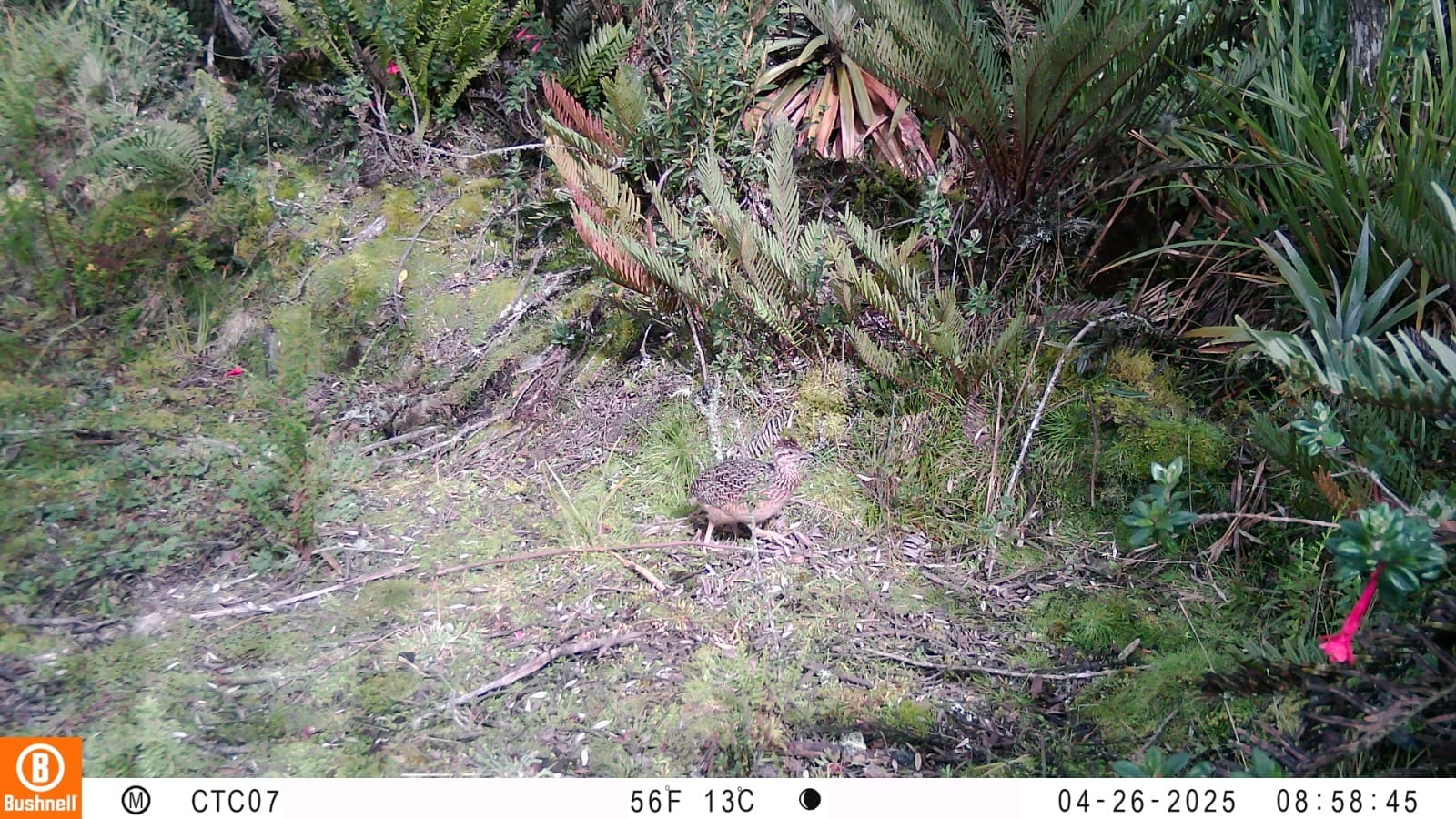
Over nine months, camera traps that he installed with support from the Humboldt Institute at 12 sites across the reserve—half in well-preserved areas and half in degraded ones, for comparison—produced 27,000 photographs. They captured the diversity of the páramo’s wildlife: porcupines, weasels, páramo foxes, coatis and the small, mottled-plumaged páramo tinamou, whose presence in Colombia was unknown until recently.
At the heart of Aza’s work is what scientists call participatory, or community-based, biodiversity monitoring: local residents systematically collect information to help understand how an ecosystem or its natural resources function. It can take many forms, from children counting monkeys to farmers installing microphones in trees on their land to record animal sounds. Despite its value, until a few years ago there was not even a comprehensive record of such initiatives across Colombia.
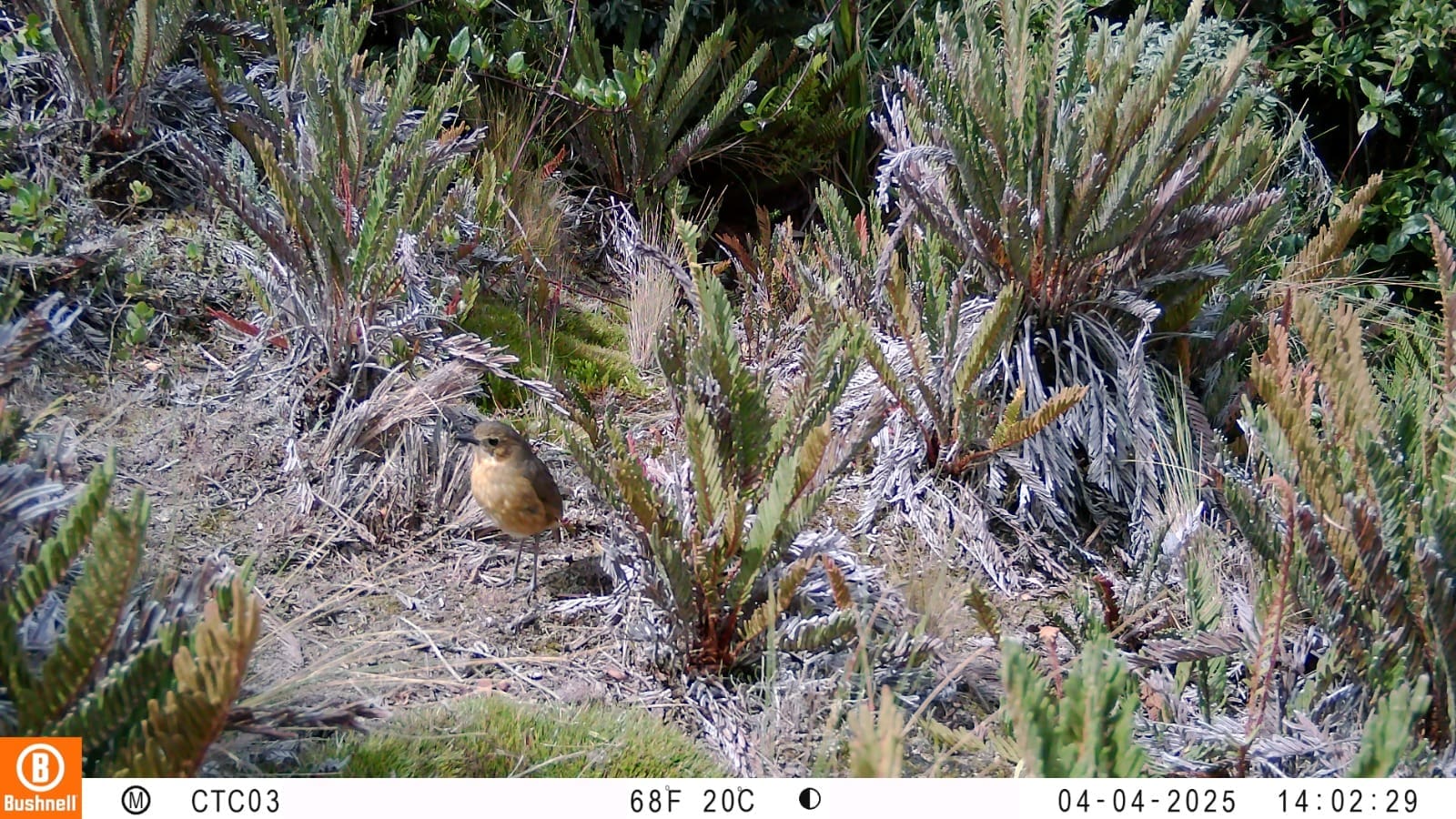
Aza and several colleagues jointly chose two species to focus their research on. One was the licuango, a small brown bird that birdwatchers call the tororoí leonado and which tends to occur only in relatively undisturbed areas. The other was capote, or Polylepis, a tree that captures moisture from fog and sheds its bark in thin, papery sheets. In other words, both serve as indicators of ecosystem health. “They were interesting species for showing what is happening in our territory,” he says.
To their surprise, they found not one but three species of Polylepis, one of which is globally Critically Endangered and another Vulnerable. This tree, common in some páramos in Ecuador and Colombia, plays an important role in the water cycle. Research led by Ecuadorian ecologist Esteban Suárez found that Polylepis forests—whose trees are also known locally as colorado or paper trees—are among the types of vegetation that most promote water infiltration into the soil, a key indicator of an ecosystem’s ability to retain water and release it gradually.
Aza and his colleagues’ findings provide evidence on the ground of something scientists have been saying for decades. Páramos are extraordinarily biodiverse ecosystems: around 60% of their plant species are found nowhere else, a phenomenon scientists describe as high endemism. “They may be considered a hotspot within a hotspot,” wrote Colombian botanist Santiago Madriñán and plant geneticist Andrés J. Cortés, along with James E. Richardson, in a study showing that páramos have the fastest average plant diversification rates of any biodiversity hotspot studied—a finding that was also reported by The New York Times.
Asked whether they received anything from the carbon project, Armando shakes his head. “No, nothing.” The only support they received came through Páramos for Life, a project involving the Colombian government and the Global Environment Facility (GEF).
The Grower of Organic Native Potatoes
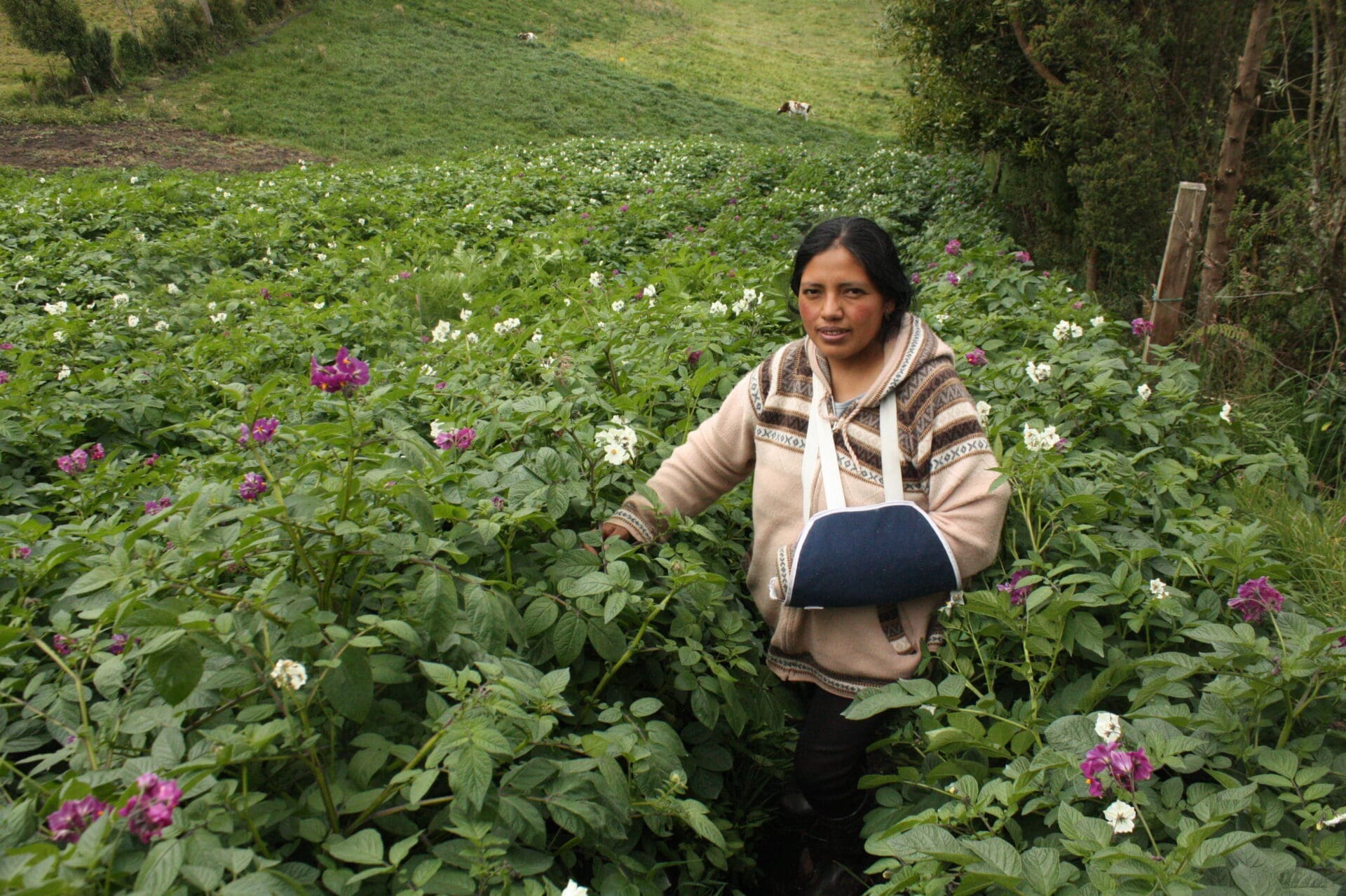
While many people in Cumbal farm as much land as they can, Irma Chinguad makes do with less than half a hectare.
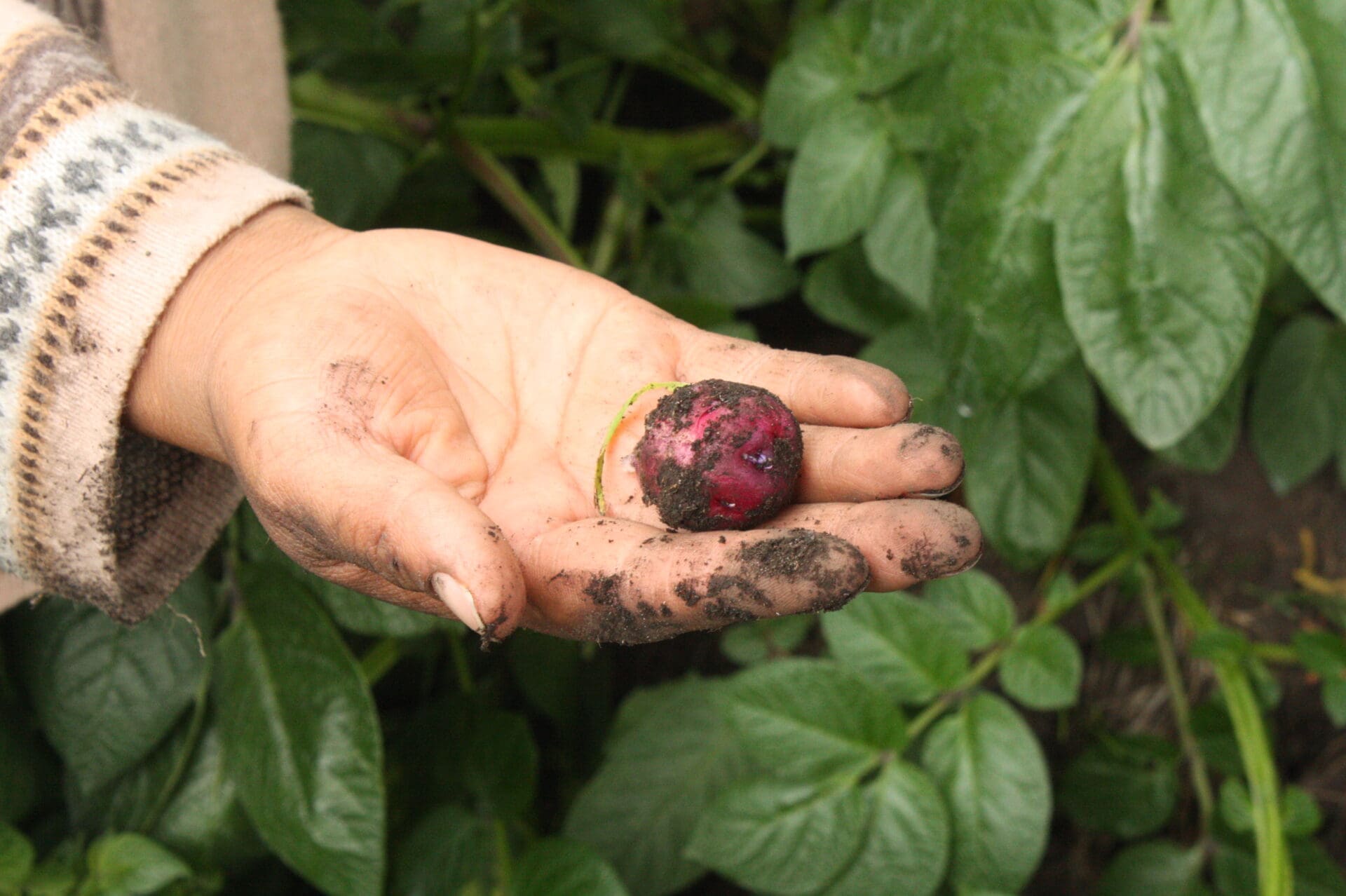
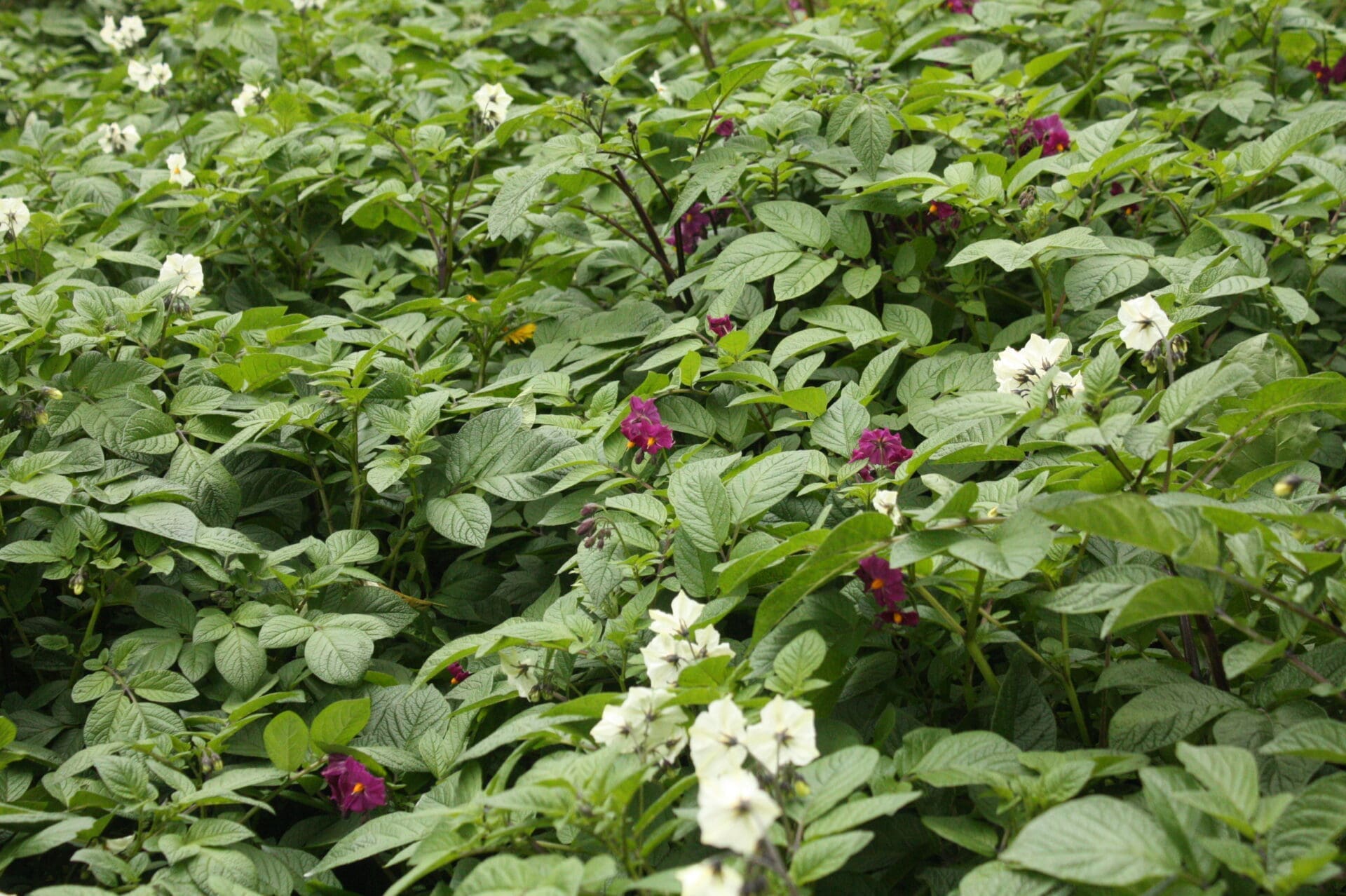
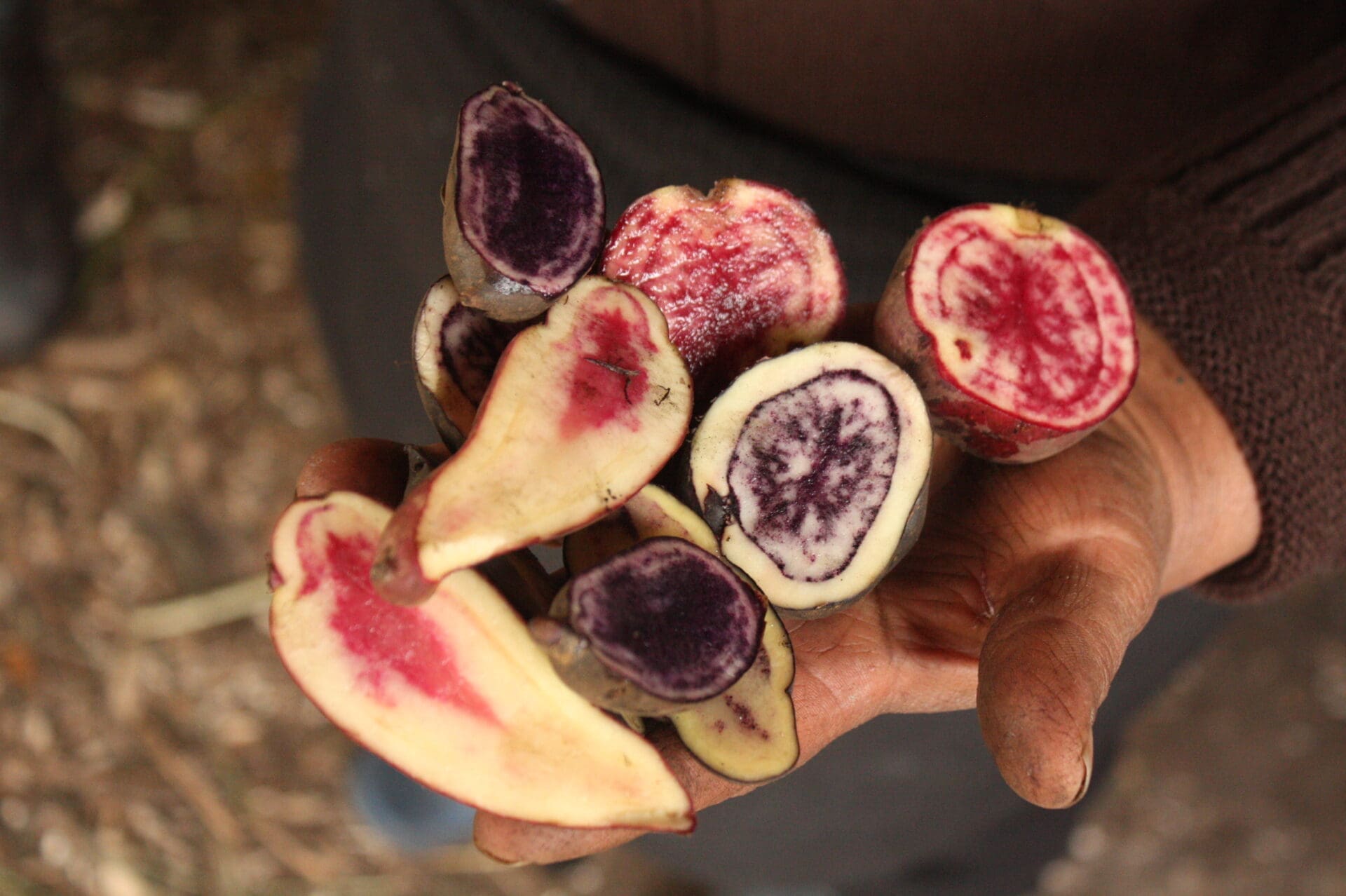
That small plot works for her because she farms very differently from her neighbors. Irma does not spray pesticides, she rotates her grazing areas, and she uses traditional methods to prepare the soil, such as melgas, making small horizontal planting holes instead of furrows. Above all, she does not grow what everyone else does: instead of the ubiquitous Pastusa or Diacol Capiro potatoes, Irma, her father Alfonso and her mother María harvest an entire catalogue of native Andean potatoes. Counting both chaucha potatoes—the type most Colombians call criollas—and the larger guatas, the Chinguads estimate that they grow around 130 different varieties. The differences in shape, size and skin color are visible enough, but it is when Irma deftly slices them open with a knife that a symphony of colors emerges: magenta rings, ruby streaks, pink hearts.
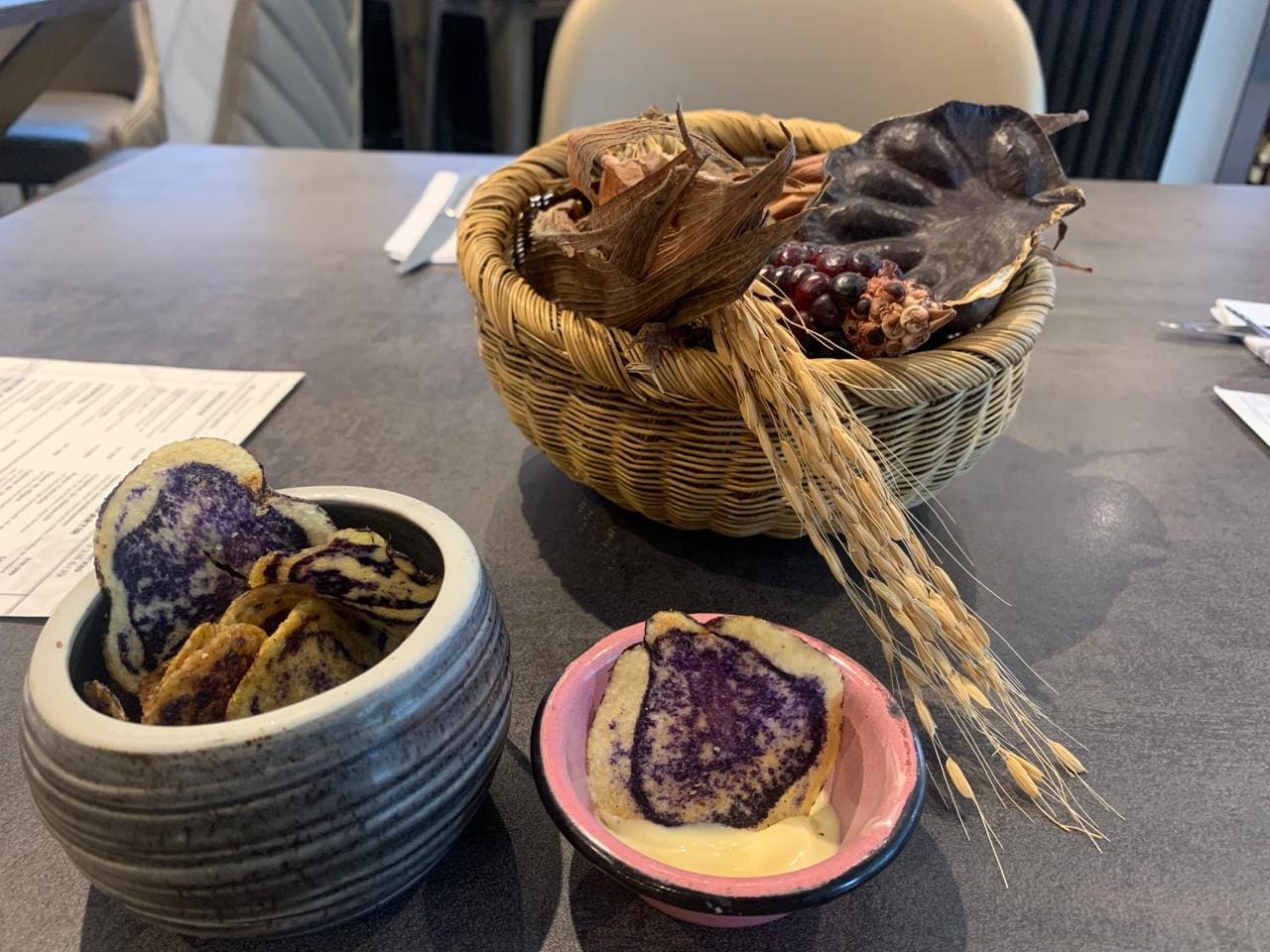
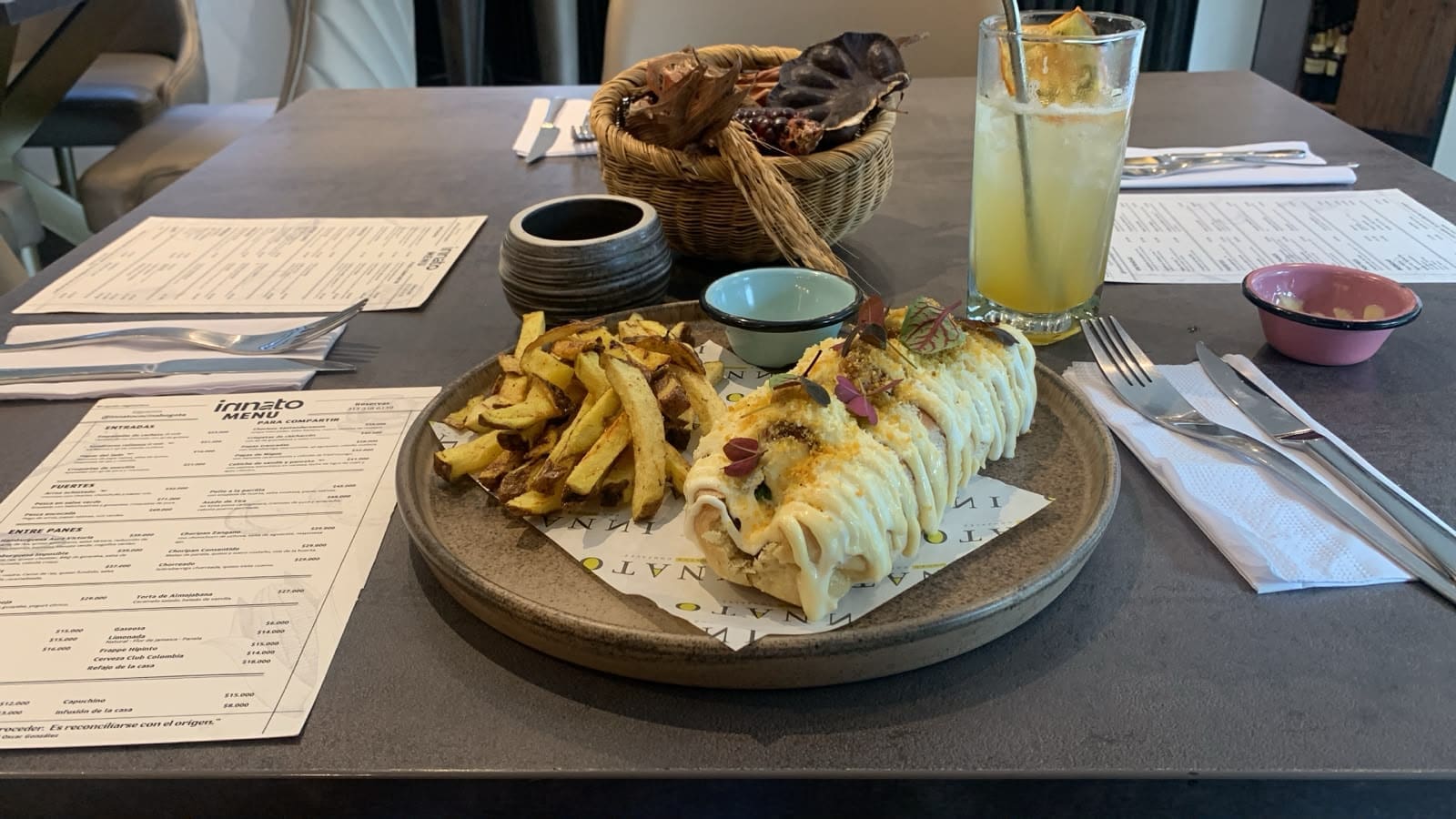
This has allowed Irma to carve out a different niche in the market. Instead of selling the potatoes at the local market, once a month she sends a sack by courier to Bogotá chef Óscar René González. At his restaurant, Innato Cocina, in the Chapinero neighborhood, he turns them into gnocchi chorreadas, colorful salchipapas and sandwiches made with potato bread. He calls it “gourmet fast food,” because none of the dishes costs more than US$6.
But how does growing a native potato help protect the páramo? The answer lies in the virtuous cycle the Chinguads set in motion through the way they farm. “The more organic we go, the better the crop. The potatoes come out cleaner and taste better. Butterflies visit and help pollinate them, and if we need to spray, we use a brew made from wormwood, which is so bitter that it repels a lot of bugs. By avoiding chemicals and keeping tractors off the land, we restore the soil and keep it from losing its nutrients,” Irma says. Fifty meters downhill from their cultivated pasture stands a patch of frailejones sheltered in a small valley, which the family has pledged to leave untouched.
The Chinguad family’s approach is in line with a key recommendation from environmental experts: conserving the páramo means not only protecting areas that remain in good condition and restoring those that have been degraded, but also changing farming practices in the surrounding areas. In Cumbal, that means less extensive cattle ranching and growing crops with fewer chemicals. Such “agroecological arrangements combine a market perspective with a biodiversity perspective,” argues the blueprint for what the Humboldt Institute has called “socio-ecological transitions toward sustainability.” Or, as Colombian biologist Felipe Rubio Törgler, who has worked in páramos for two decades, puts it: “improvements in quality of life go hand in hand with greater environmental well-being.”
These efforts to transition toward more sustainable farming require money, but when it comes to the carbon project, Irma has heard “nothing but talk.” “It sounds good on paper, but how do we know the money is actually reaching those of us who are really looking after the páramos?” she asks.
For now, the Chinguads still grow more potatoes than they are able to sell, so they continue searching for new customers.
The First Responder to Wildfires
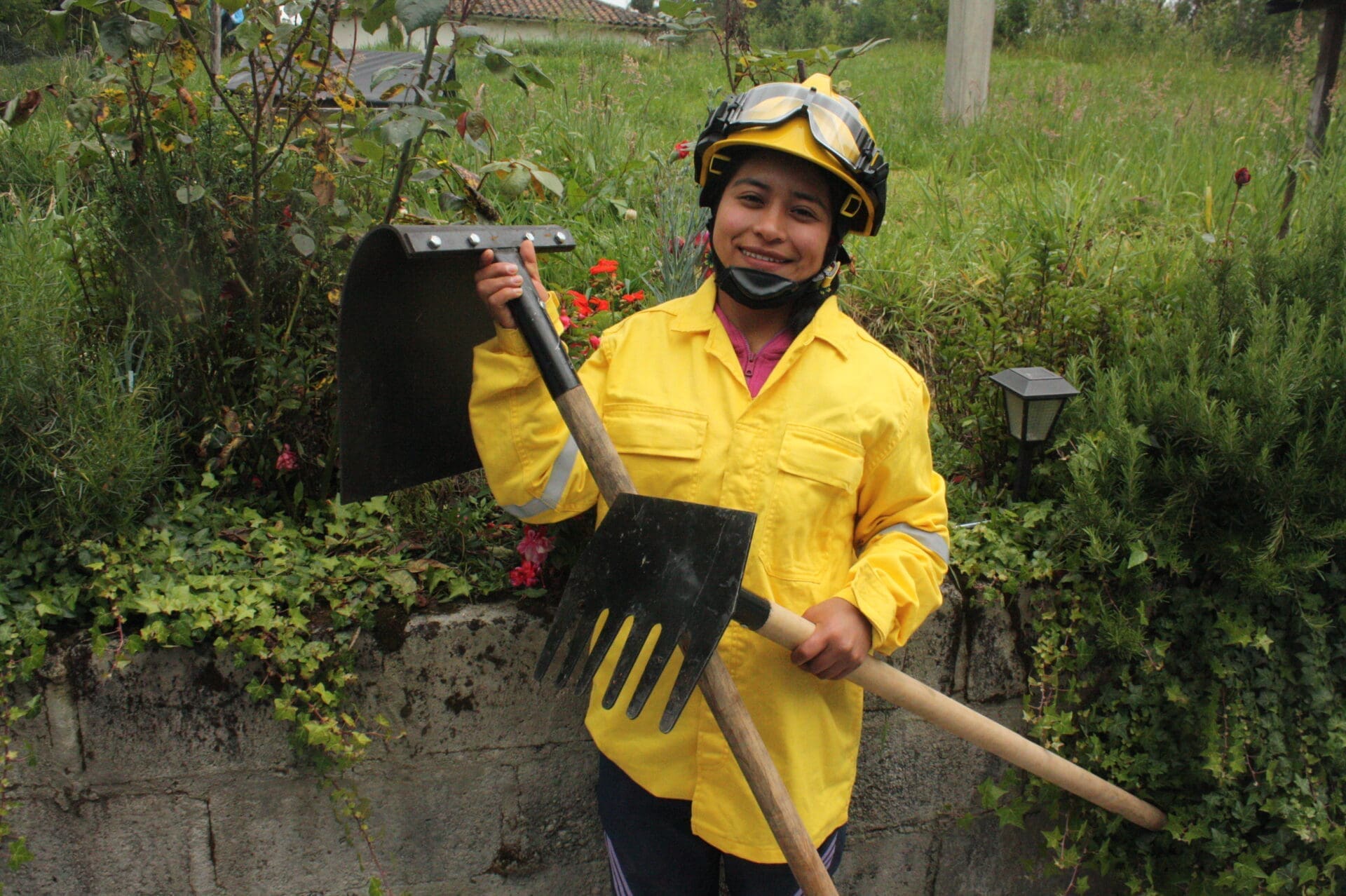
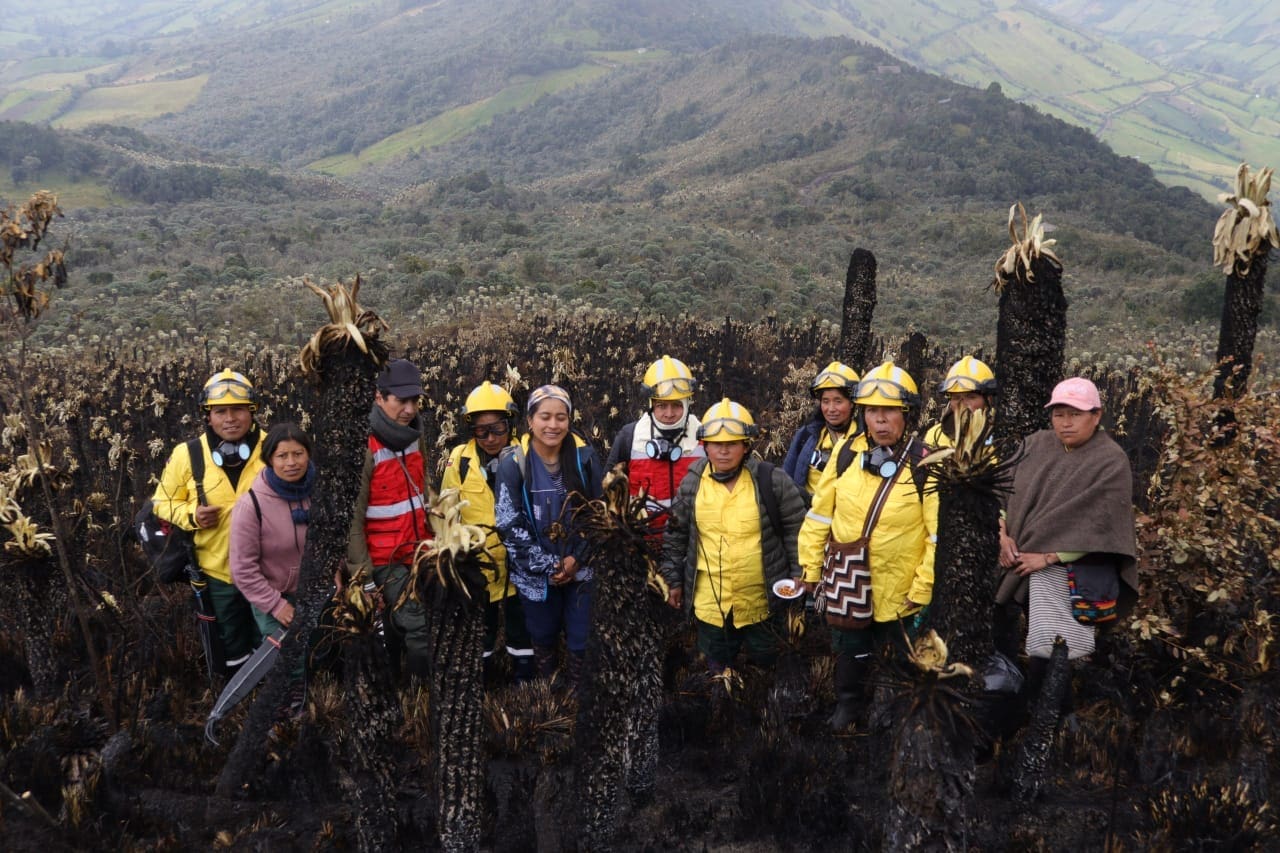
This year, Luz Dary Chirán has already helped put out two fires. Both broke out in the transition zone between the páramo and the cloud forest, both within her Indigenous reserve. Both were deliberately set.
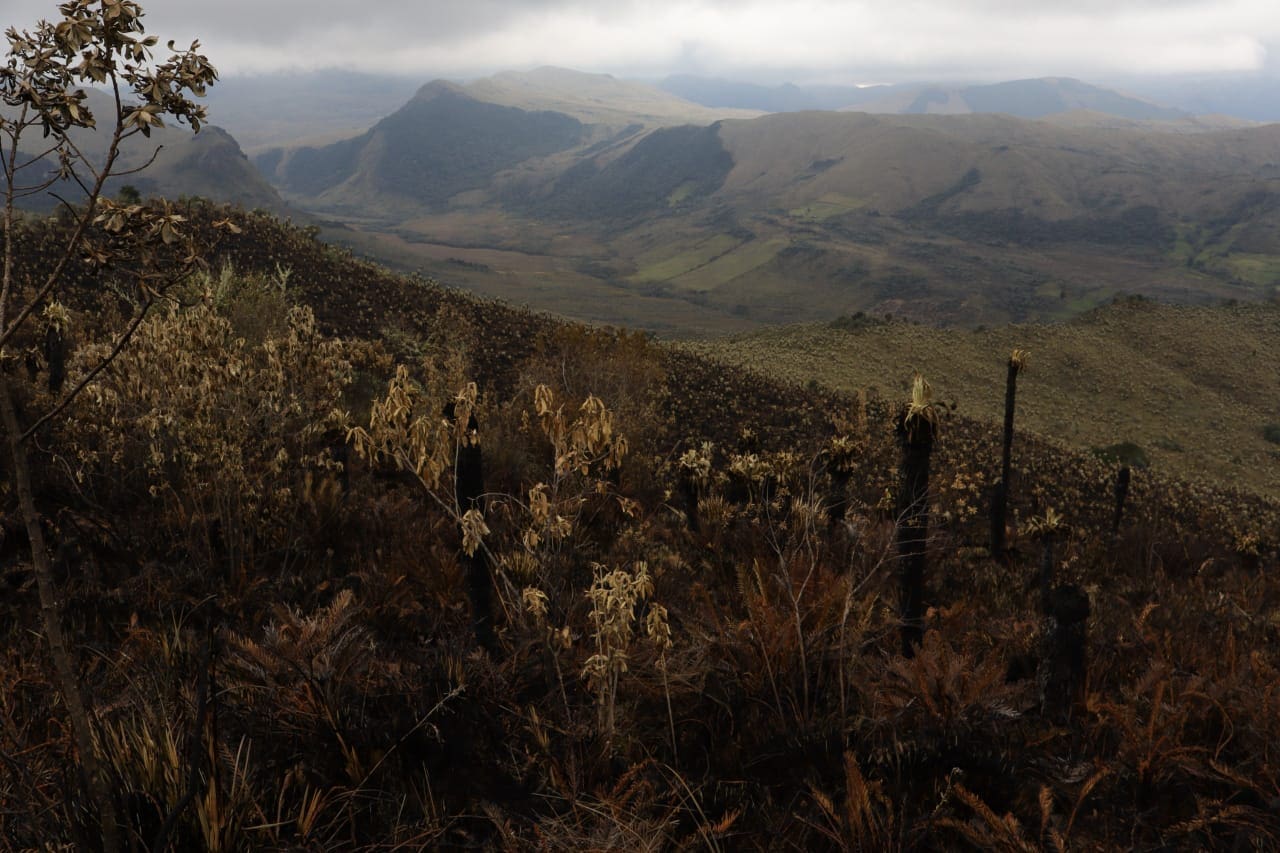
The most recent, on June 26, burned through 30 hectares of frailejones, grasslands and shrubs in a single day in the Pilches sector of Tasmag, near the iconic Laguna de la Bolsa. Amid the ashes, they found hundreds of charred trees that had clearly been cut off at ground level, as if with a brush cutter. Farther downhill, near where the fire started, there was a newly opened road and a former grassland whose soil had been completely turned over by a tractor-drawn plow. A couple of soda bottles lay discarded here, a pastry wrapper there. A stake had been driven into the ground, as though marking something out.
All were signs of human intervention—of someone forcibly pushing the agricultural frontier farther into the páramo to bring in cattle or plant potatoes, seeking greater profits at the expense of an ecosystem that supplies water to everyone. The expensive machinery involved rules out the possibility that poor small farmers were responsible.
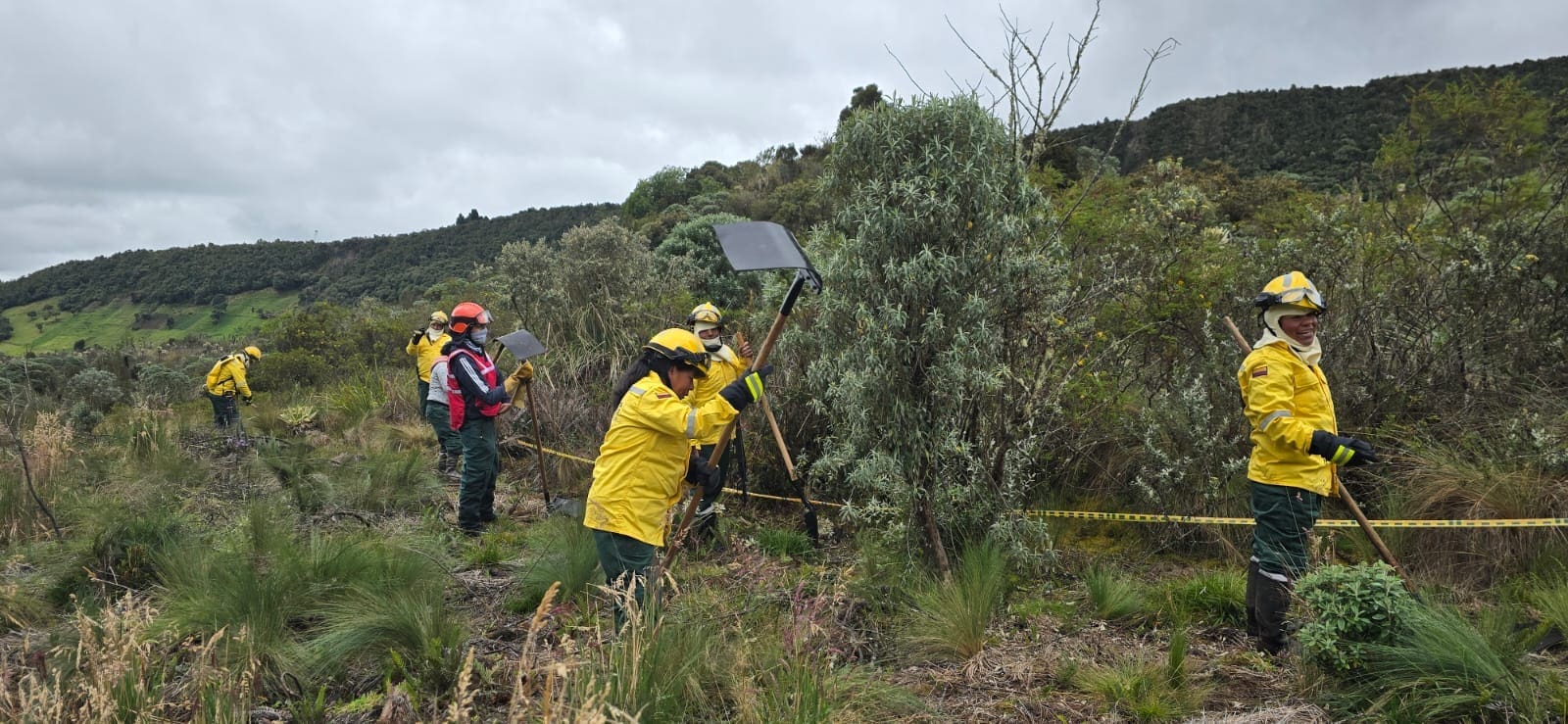
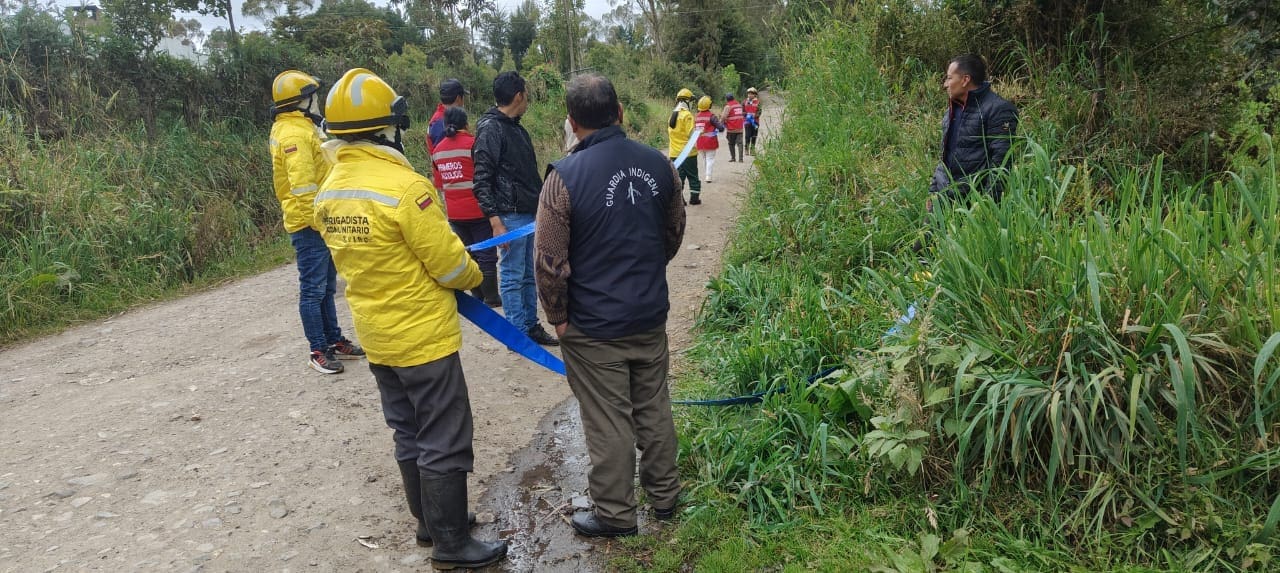
Chirán is not a firefighter. Cumbal has four of those, and they cannot keep up with the demand. At 26, this early-childhood educator serves as coordinator of a community wildfire brigade called Guardianes de los Páramos para la Vida (“Guardians of the Páramos for Life”). Its mission is to prevent and monitor wildfires and, when one does break out, to be first on the scene to contain it. The brigade consists of 14 community members divided into two crews. “Cumbal is one of the reserves most affected by wildfires: in the past year alone, we’ve had four,” she says.
Her assessment is borne out by the science. In late 2025, a team of researchers from the University of Rosario, led by remote-sensing expert Stijn Hantson, assessed fires in Colombia’s páramos over the previous two decades. Chiles Cumbal ranked second nationwide, with 21.3% of its páramo area affected by fire between 2000 and 2022, behind only Perijá.
Two of the researchers’ main recommendations were to establish early-warning systems and community-based monitoring in these páramos—exactly the kind of work Luz Dary leads. When the brigade was formed three years ago, the Humboldt Institute’s Páramos for Life project provided its members with uniforms and equipment, but above all taught them techniques for fighting wildfires. They learned to use fire beaters, fitted with rubber flaps, to smother the flames, as well as shovels and rakes to create firebreaks and stop a blaze from spreading.
Chirán insists that preventing fires before they start is even more important. That is why she dreams of running awareness programs in schools, something the brigade has not yet been able to do because its members are volunteers. In fact, not only are they unpaid for their work, they are not even reimbursed for the fuel they use to travel to fires.
They have received nothing from the carbon project. “We don’t know where that money is going,” she says.
The Native-Tree Nursery Grower

In 1996, when the Aguablanca community water system was established—still supplying water today to hundreds of rural families in the villages of Boyera, Cuetial, Cuaspud and Cuaical—its users needed to plant trees along the stream where the water intake was located to safeguard the future water supply.
José Miguel Aza then started a small nursery where he propagated seedlings of caspi, mote and pumamaqui. The latter’s palmate leaves explain its Quechua name, meaning “puma’s claw,” as well as its more common Spanish name, mano de oso, or “bear’s hand.”
That specific need of the community water system eventually gave rise to the El Manantial nursery, which now supports four families. Since then, they have greatly expanded their range of plants to include many of the native trees and shrubs typical of the cloud forests and páramos of southern Colombia: cerote, colla—known elsewhere as arboloco—chilca, charmelín (or charmolán), pandala, tilo, encino, and even achupallas, or Puyas, whose tender hearts are a favorite food of the elusive spectacled bear. At times, the nursery has held as many as 100,000 seedlings, and by their own rough estimate, after two decades of work they are approaching two million plants propagated.
All are native, with one exception. For decades, cooking was one of the main threats to Cumbal’s cloud forests. Because almost all stoves were—and still are—wood-burning, people in Cumbal routinely ventured into the forest to bring home logs for fuel. The solution came in the form of another tree that Aza propagates and sells: black wattle, a non-native species that grows so quickly that it has become a readily renewable source of firewood, helping to relieve pressure on well-preserved forests. “We used to go up on horseback, and it would take us the whole day. Nobody goes up there anymore,” says the 52-year-old nursery grower, father of Armando, who monitors the pumas.
El Manantial’s native species serve two purposes. First, they help restore streamside vegetation and degraded forests by planting a diversity of species, a practice scientists call forest enrichment. Second, they could form part of a shift toward more sustainable farming practices that has yet to take hold in Cumbal: cattle ranching can have less impact if it becomes less extensive. Instead of keeping a small number of cattle on large pastures, farmers can reduce the area where the animals graze and trample the soil. Trees can help make that possible through living fences and fodder banks made up of plants that are not only native but also edible—and highly nutritious—for cattle. Better fed under this agrosilvopastoral system, the animals have a smaller environmental footprint. At the same time, these planted areas become wildlife corridors, improving connectivity between forests and, in turn, helping maintain the genetic diversity of species.
As Aza puts it, “These are the plants that generate the most life: birds arrive, the soil becomes more fertile, and water and groundwater recharge areas are protected. We need that transformation.”
Several scientific studies have reached similar conclusions. One involving Ecuadorian hydrologists Bert De Bièvre and Vicente Iñiguez found that páramo soils planted with non-native trees such as patula pine can reduce the flow of rivers originating there by as much as half. Another study by Ecuadorian ecologist Robert Hofstede, an internationally recognized páramo scientist, showed that heavily grazed soils retain less moisture.
Like his colleagues, José Miguel Aza has received no money from the carbon project. “We agree that the money should go to the community and support projects like ours, working with trees that produce oxygen and absorb carbon dioxide. But we don’t know anything about it,” he says.


The Creator of Páramo Experiments for Children
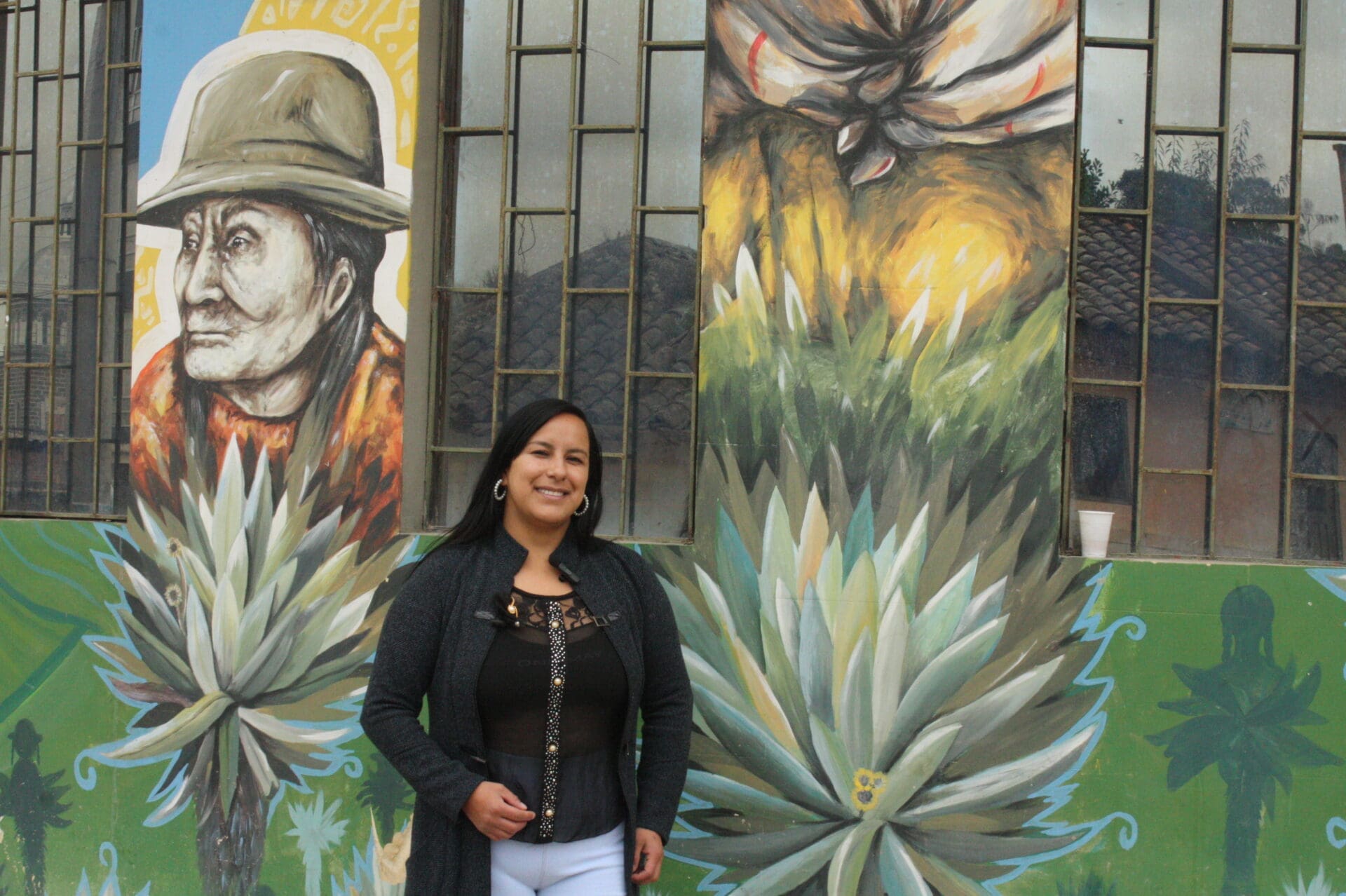
When final-year students had to choose a community-service project, a graduation requirement, one of their teachers posed a question: what if they restored a degraded area of high-Andean forest along the shores of the iconic Laguna de la Bolsa?
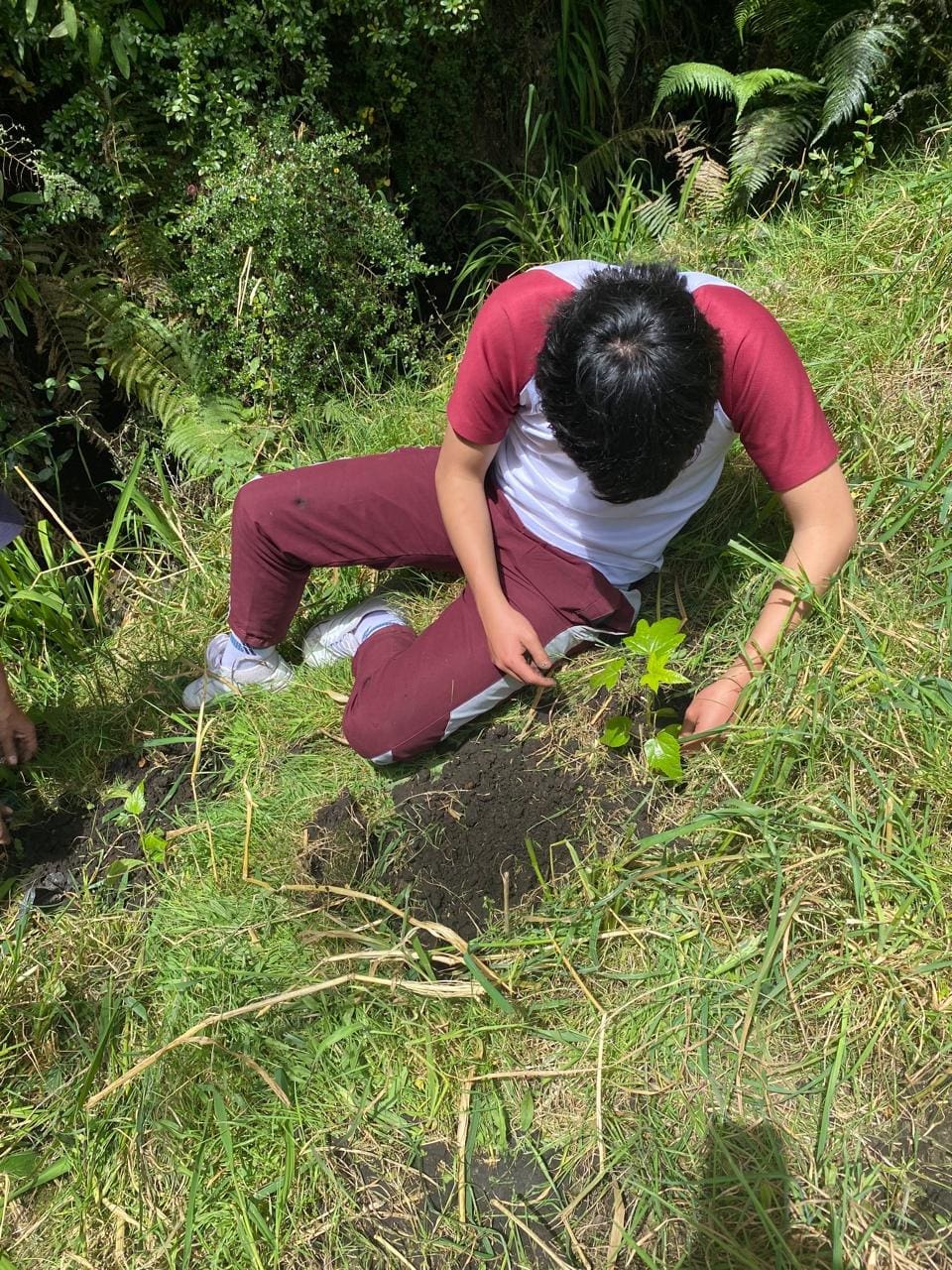
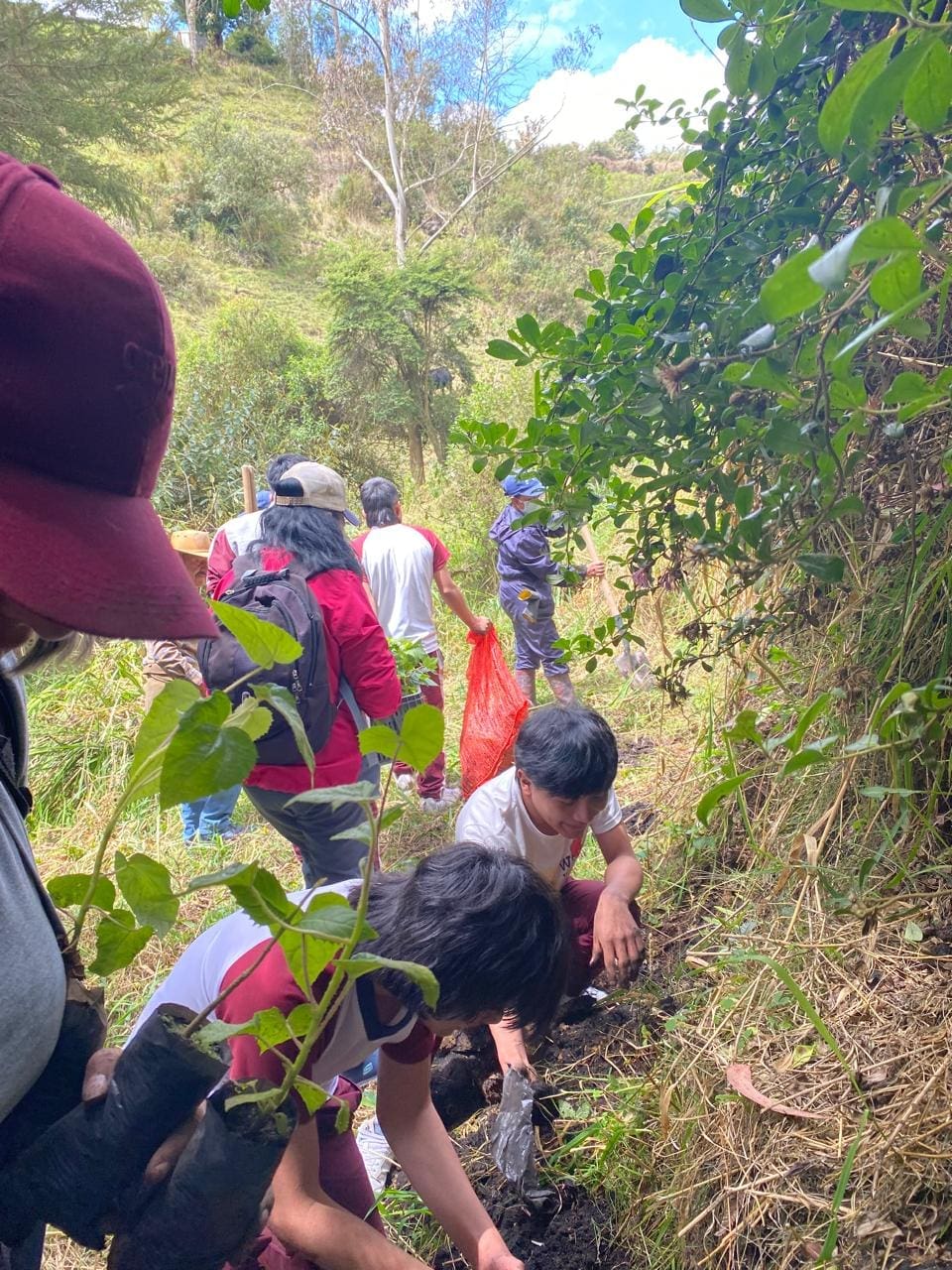
They said yes—and went on to plant 3,000 trees. They also uploaded the data they collected to a government platform, ran environmental awareness campaigns and even considered programming a drone to detect changes in temperature, a possible indicator of wildfires, and alert the fire department. It was one of several experiments devised by Milena Burbano, a natural sciences and chemistry teacher at José Antonio Llorente School, two blocks from Cumbal’s main square, to make her students more aware of the ecosystems around them.
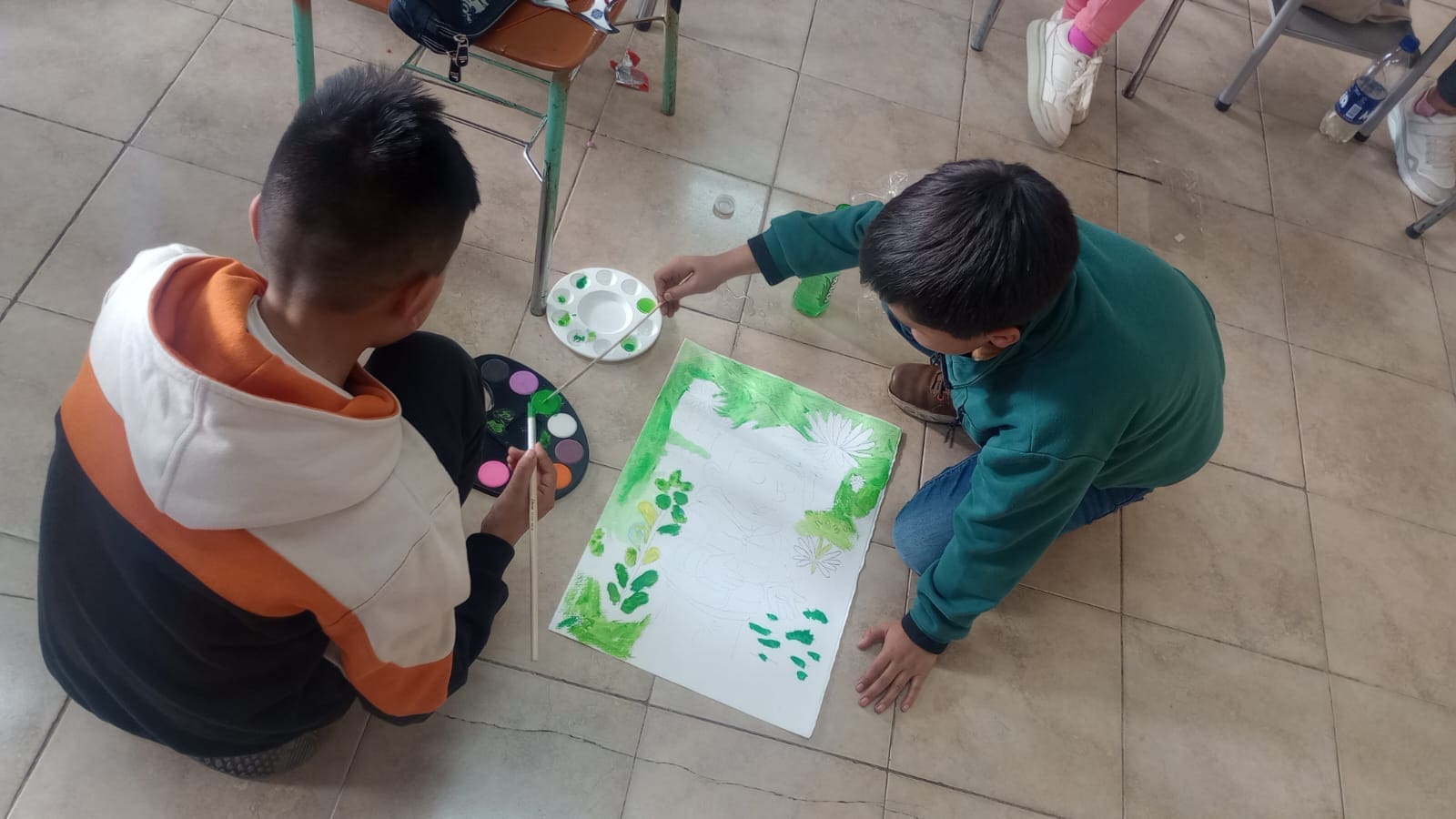
With her tenth-grade students, aged 15 to 16, the 36-year-old biologist investigated which growing media work best for propagating native species such as motilón, pumamaqui and capote. “I don’t have the power to say, ‘Don’t touch the páramo,’ but I can help change the mindset of the children who will one day look after it. I’ve planted the seed in them, I’m watering it, and I know that one day it will bear fruit,” she says.
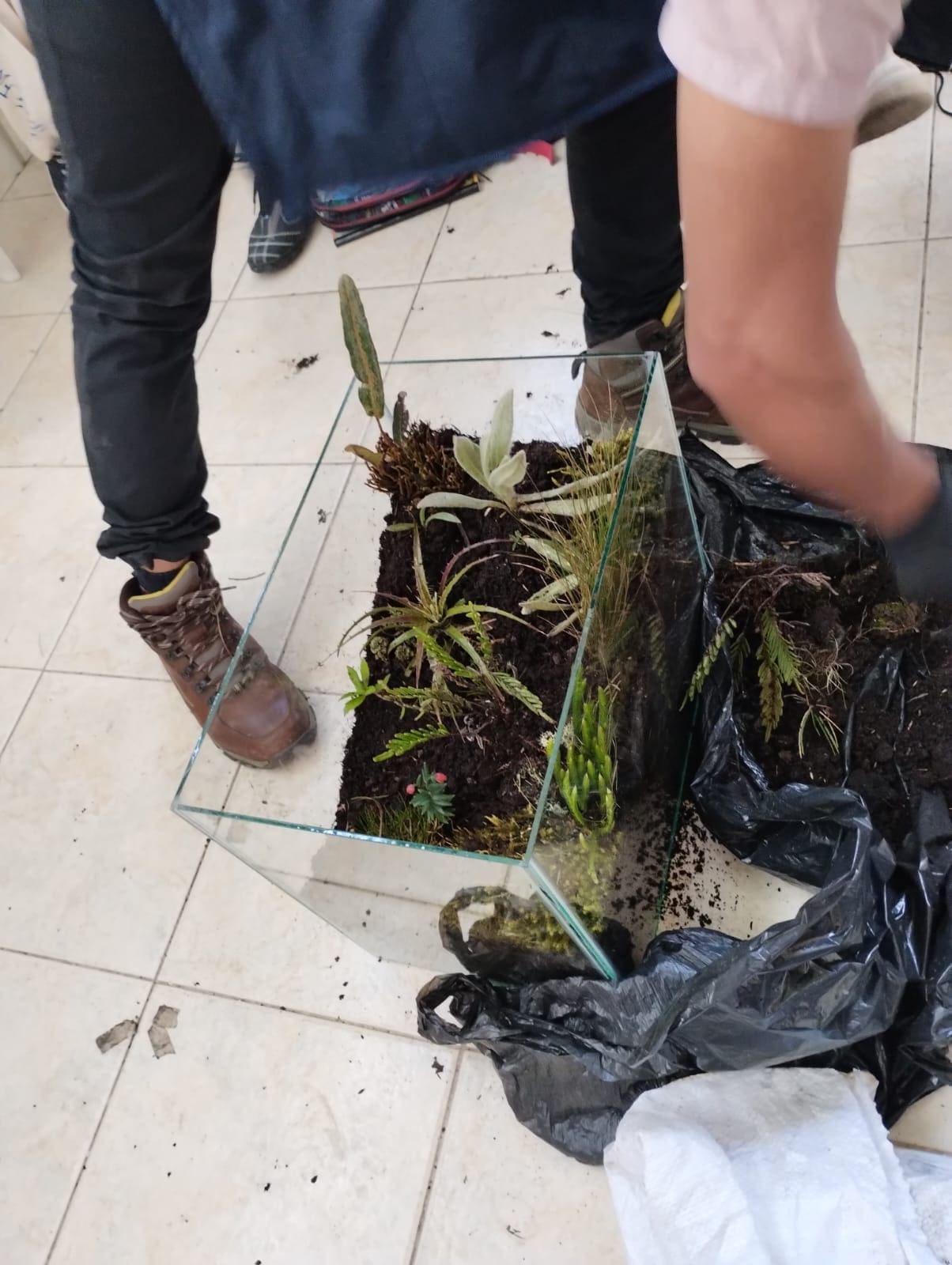
Perhaps her most ambitious environmental education experiment was one she conducted with fifth- and sixth-grade students, aged 10 to 11, exploring how climate change affects páramos and the vital functions performed by the plants that live there. They built two terrariums and planted them with small frailejones, ferns, bromeliads, Chusquea bamboo, clubmosses and colas de venado. In one terrarium, they raised the temperature by 0.5°C each week, while the other was left unchanged as a control. Using a data sheet, they recorded variables including soil moisture, plant growth, leaf color and temperature, and which plants showed signs of necrosis, or tissue death.
The Cumbal students’ experiment mirrors what scientists are observing on a much larger scale. One study led by Colombian scientists projects that climate change could drastically shrink the area suitable for frailejones in Colombia by 2050. Venezuelan botanist Jesús Mavárez reached a similar conclusion for Venezuela’s páramos by 2070.
So far, all of Burbano’s experiments have been funded through competitive public grants she secured from the Nariño departmental government and Colombia’s Ministry of Information and Communications Technologies. They have received nothing from the carbon-credit project.
The Archivists of Páramo Memory

Dressed in woolen ruanas, felt hats and rubber boots, a dozen Indigenous people dig a channel through the frailejones during a minga, a communal work effort to install the water intake for one of the many community water systems whose sources lie in the páramo. Behind them, the Cumbal volcano rises imposingly.
The photograph, taken in 1986 and donated by a local resident from his family collection, hangs on a wall at the Casa de la Memoria del Gran Cumbal. On the fourth floor of the Cumbal cabildo building, Luis Carlos Cuaical and Diana Piarpuezan have spent the past three years building an audiovisual archive of the area’s four Indigenous reserves, encompassing everything from analog cassette tapes and printed photographs to digital material.
Part exhibition gallery, part archive, museum and library, the Casa de la Memoria displays everything from facsimiles of the colonial land title issued by the Spanish Crown to the Pasto people, which gave rise to today’s reserves, to photographs of the “land recoveries” through which local communities expanded their collectively held territory. Keenly aware of what has already been lost, they also display photographs of the glacier on “Taita Chiles,” which disappeared in 1950, and of “Mama Cumbal,” whose glacier met the same fate in 1985.
That is why the 28-year-old political scientist and the 32-year-old sociologist began gathering every piece of material they could find on Cumbal’s history. Their collection ranges from the fieldwork archive of American anthropologist Joanne Rappaport, who studied in the 1980s how the people of Cumbal reclaimed their Indigenous identity, to the photographs of Helí Valenzuela, a self-taught photographer who documented everyday life in the reserve and donated his archive to them. Alongside building a small library devoted to Cumbal and screening documentaries filmed there, they are learning how to preserve historical documents and digitize images at high resolution.
More recently, drawing on their video skills, they have begun documenting—and publicly showing—the fires consuming the páramo. “What does memory have to do with conserving the páramo? If people have a sense of identity, if they feel rooted in the territory, this won’t happen. Perhaps these fires occur because that connection has been lost,” says Cuaical, whose family is also conserving a 60-hectare parcel of páramo in the rural community that bears his surname. “We use images to make an impact on people; they are our educational tools.”
They have received funding for this work from Colombia’s Ministry of Cultures and the Nariño departmental government, but nothing from the carbon project.


Scientific References
Germán Andrade et al. Transiciones socioecológicas hacia la sostenibilidad. Bogotá: Instituto Humboldt, 2018.
Walter Buytaert et al. “The effects of afforestation and cultivation on water yield in the Andean páramo”. Forest Ecology and Management, 2007.
Marion Cabrera et al. Restauración ecológica de los páramos de Colombia: transformación y herramientas para su conservación. Bogotá: Instituto Humboldt, 2014.
Julián Díaz-Timoté et al. “Drivers and spatial patterns of burned area in high-Andean páramos”. Fire, 2026.
Marcela Galvis et al. Claves para la gestión local del páramo. Bogotá: Instituto Humboldt, 2021.
Linda Hernández et al. “A new species of Oidaematophorus (lepidoptera: pterophoridae) from Chingaza National Natural Park in Colombia”. Tropical Lepidoptera Research, 2014.
Robert Hofstede. “The effects of grazing and burning on soil and plant nutrient concentrations in Colombian paramo grasslands”. Doctoral thesis, Universidad de Amsterdam, 1995.
Santiago Madriñán et al. “Páramo is the world’s fastest evolving and coolest biodiversity hotspot”. Frontiers in Genetics, 2013.
Jesús Mavárez et al. “Current and future distributions of Espeletiinae (Asteraceae) in the Venezuelan Andes based on statistical downscaling of climatic variables and niche modelling” Plant Ecology & Diversity, 2018.
Laura Victoria Pérez et al. Viveros de páramo para la restauración ecológica. Bogotá: Instituto Humboldt, 2021.
Esteban Suárez et al. “Influence of vegetation types and ground cover on soil water infiltration capacity in a high-altitude páramo ecosystem”. Avances en Ciencias e Ingenierías, 2013.
Jhon B. Valencia et al. “Climate vulnerability assessment of the Espeletia complex on páramo sky islands in the northern Andes”. Frontiers in Ecology and Evolution, 2020.

This project is the result of a collaboration between Latin American journalists and scientists, spearheaded by Brazil’s Serrapilheira Institute and the Latin American Center for Investigative Journalism (CLIP), to explore the Atlantic-Amazon-Andes water pathway and the disruptions to the ecosystem services it provides to the continent.


